
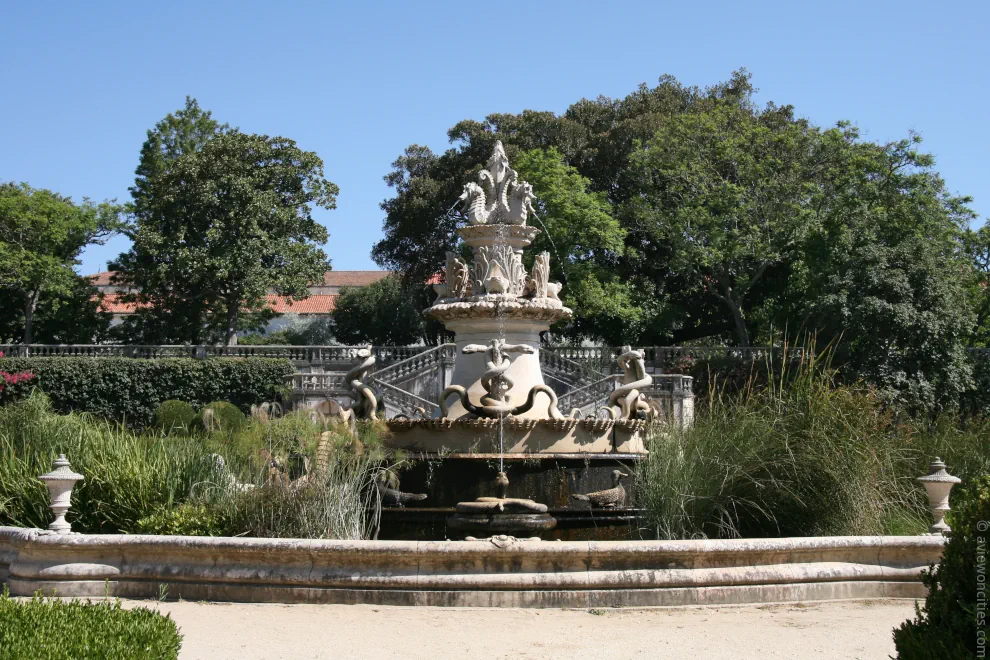
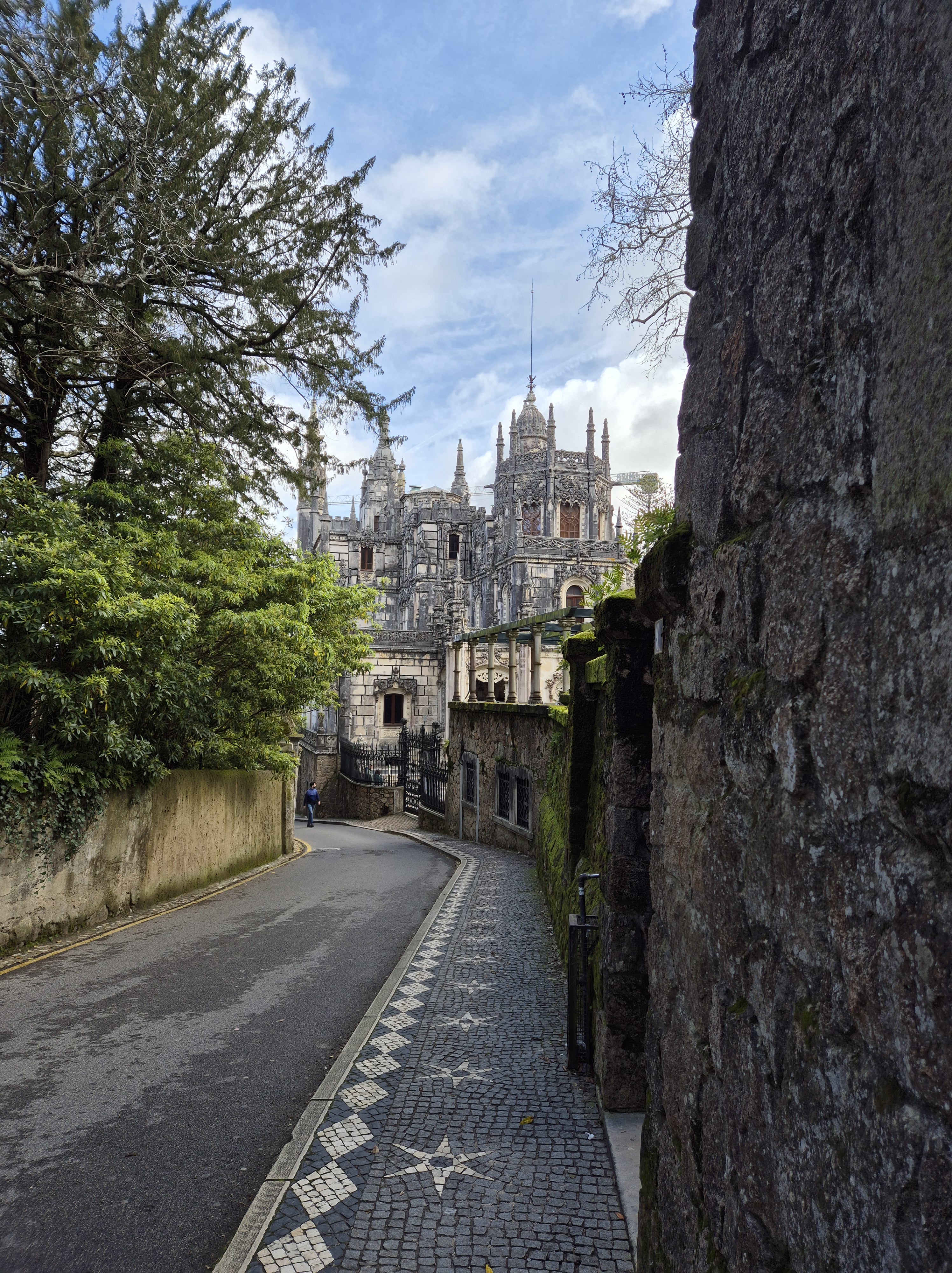
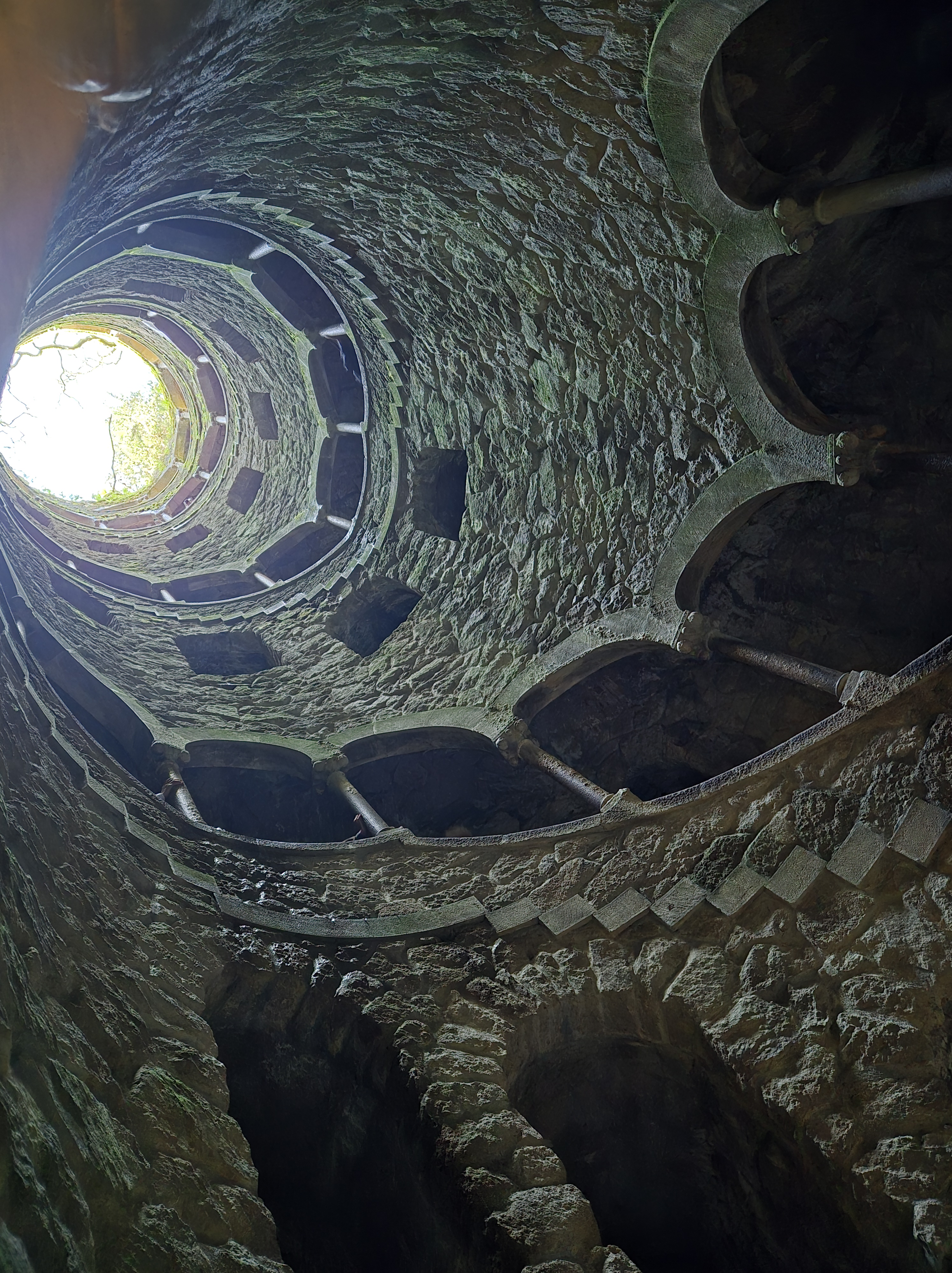
This year, I traveled to Portugal for the first time, and throughout my journey, I felt as though I was encountering something deeply mysterious. The country struck me as a land of silence and secrecy, and I became captivated by various esoteric theories, such as the one which posits that the Knights Templar played a crucial role in the formation of Portugal. One of the most enchanting places I visited was Sintra, a town just outside Lisbon, renowned for its numerous palaces and palpable mystical atmosphere. Perhaps Sintra’s most captivating site is the Initiation Well at Quinta da Regaleira, where its spiraling staircase leads deeper and deeper into the bowels of the earth. The energy of the place was very intense, leaving a lasting impression. Portugal is also home to messianic ideas, particularly the belief in the Fifth Empire, which suggests that the country has a divine purpose to fulfill. While these ideas are fascinating, I remain somewhat skeptical, as many nations tend to view themselves as exceptional – a phenomenon that, as Jungian scholar Robert L. Moore wrote, reflects spiritual grandiosity. My focus in this essay will be on Lisbon, a city that embodies the very essence of the Portuguese myth and mystery.
Granted, all cities are mythical spaces, rich with meanings that extend beyond their mere physical presence. In this way, cities transform into texts to be deciphered, their structures layered with stories and messages awaiting interpretation. Historical truth, however, is a separate matter; in this article, I am not concerned with historical accuracy, but rather with the symbolic expression embodied in the city’s form and essence.
In Critias, Plato gives a description of “cosmic space, and of the space of the city as a reflection of the Cosmos.” (1) In this dialogue, the city of Atlantis is depicted as having a highly organized structure with concentric rings of land and water, creating a symbolic spatial organization. Ancient cities were perceived as an imago mundi – they represented the world. (2) Symbolically,
“Cities are the goals of pilgrimage, and embody our projections of possibility, reorientation and rebirth. … Sacred mandalas of which the centre is the focus are sometimes configured as cities, and the city is also an image of the alchemical lapis, signifying sanctuary, integrity, symmetry, balance, the marriage of heaven and earth or of Sol and Luna.” (3)
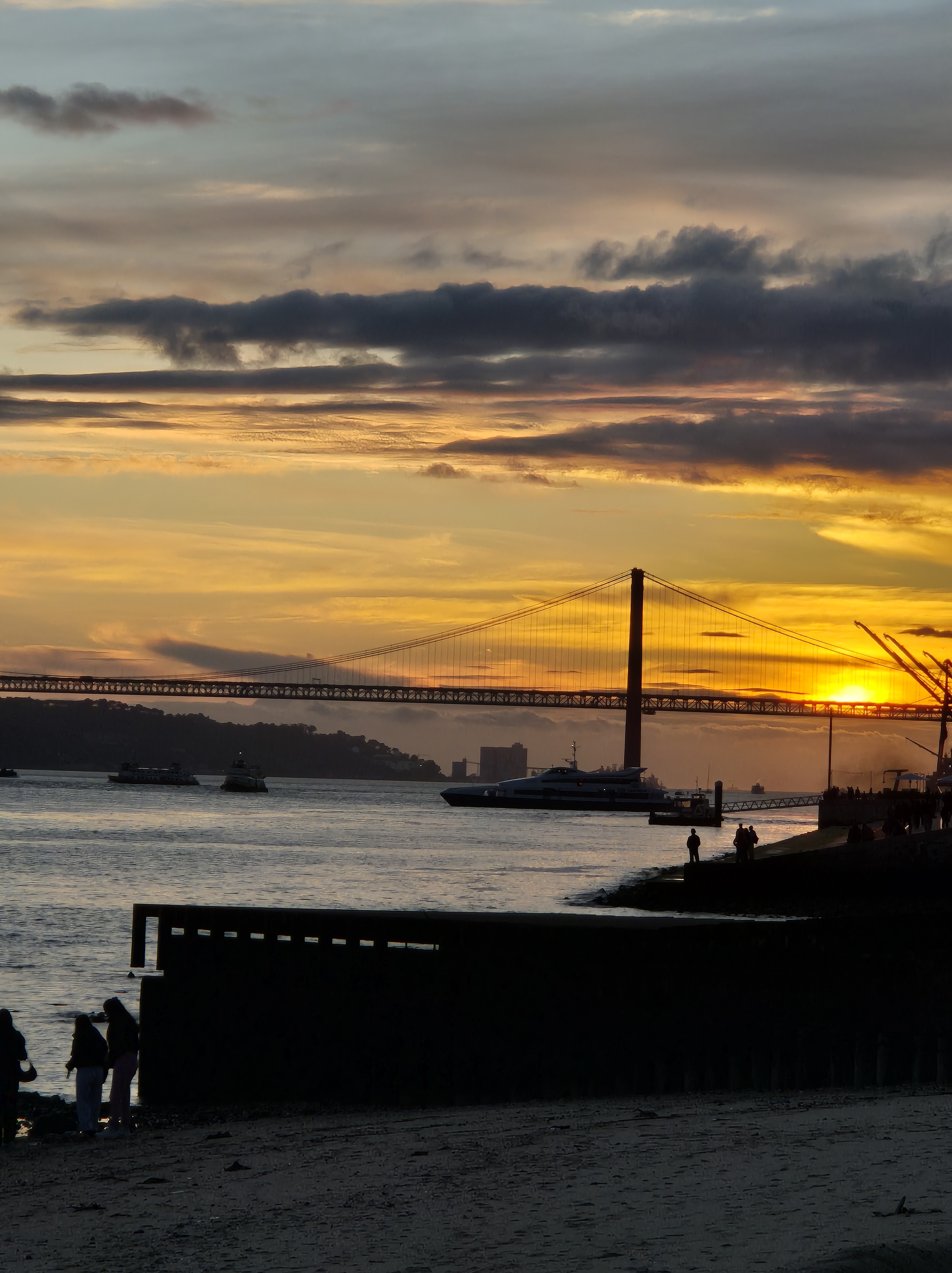
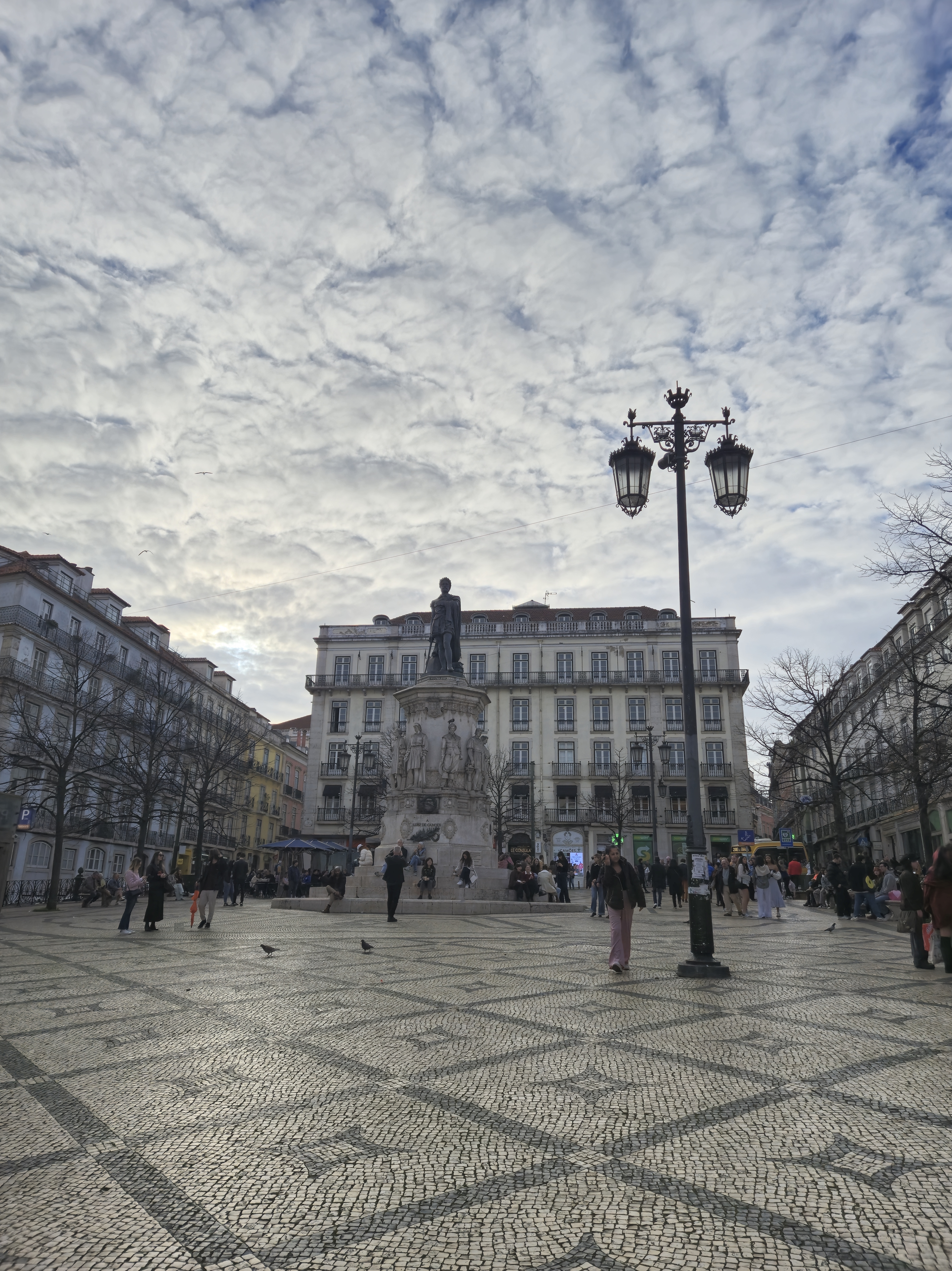
I was captivated by the beauty of Lisbon, and the first thing that caught my attention was the light. The light in Lisbon feels almost otherworldly, or at least, that’s how I imagined it. The Ancient Romans referred to this land as Lusitania, a name that some etymologists suggest is connected to the Indo-European root lus-, meaning “to shine” or “light.” I like to think this connection holds some truth. Adding to the city’s allure, there is a myth that the ancient city of Olisipo, the earliest known name for Lisbon, was founded by Odysseus himself. Christopher Kark (4) traces this myth back to the fifth book of The Odyssey, where the god Proteus describes Elysium, a place that resonates with the luminous and divine qualities attributed to Lisbon:
“Gods will carry you
off to the world’s end, to Elysium.
Those fields are ruled by tawny Rhadamanthus
and life is there the easiest for humans.
There is no snow, no heavy storms or rain,
but Ocean always sends up gentle breezes
of Zephyr to refresh the people there.” (translated by Emily Wilson)
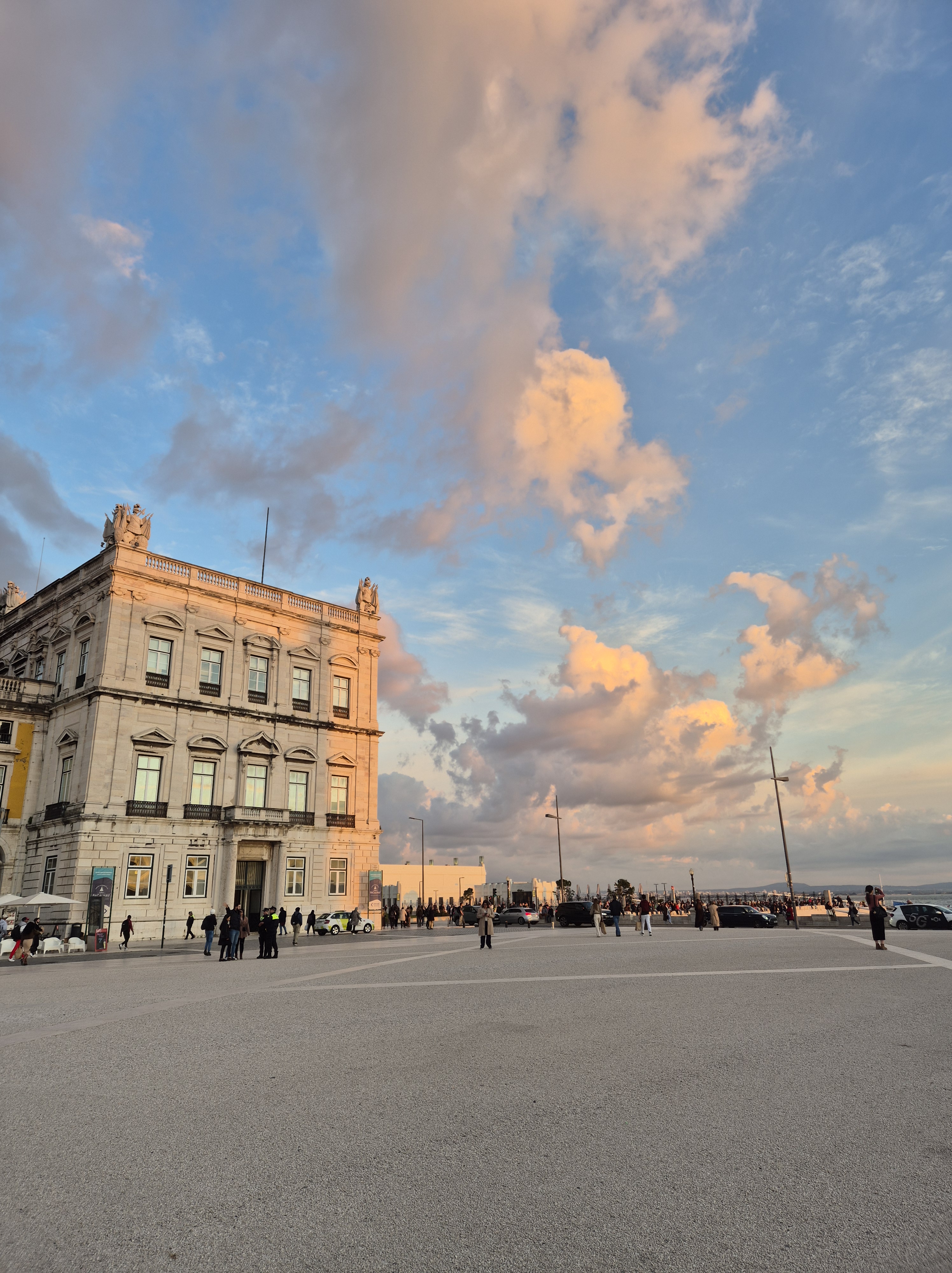
As Kark explains further,
“Throughout classical antiquity, many geographers and historians believed that “the limits of the earth” to which Proteus refers lay somewhere on the western extremes of the Iberian Peninsula, beyond the Pillars of Hercules where Odysseus is thought to have ventured.”
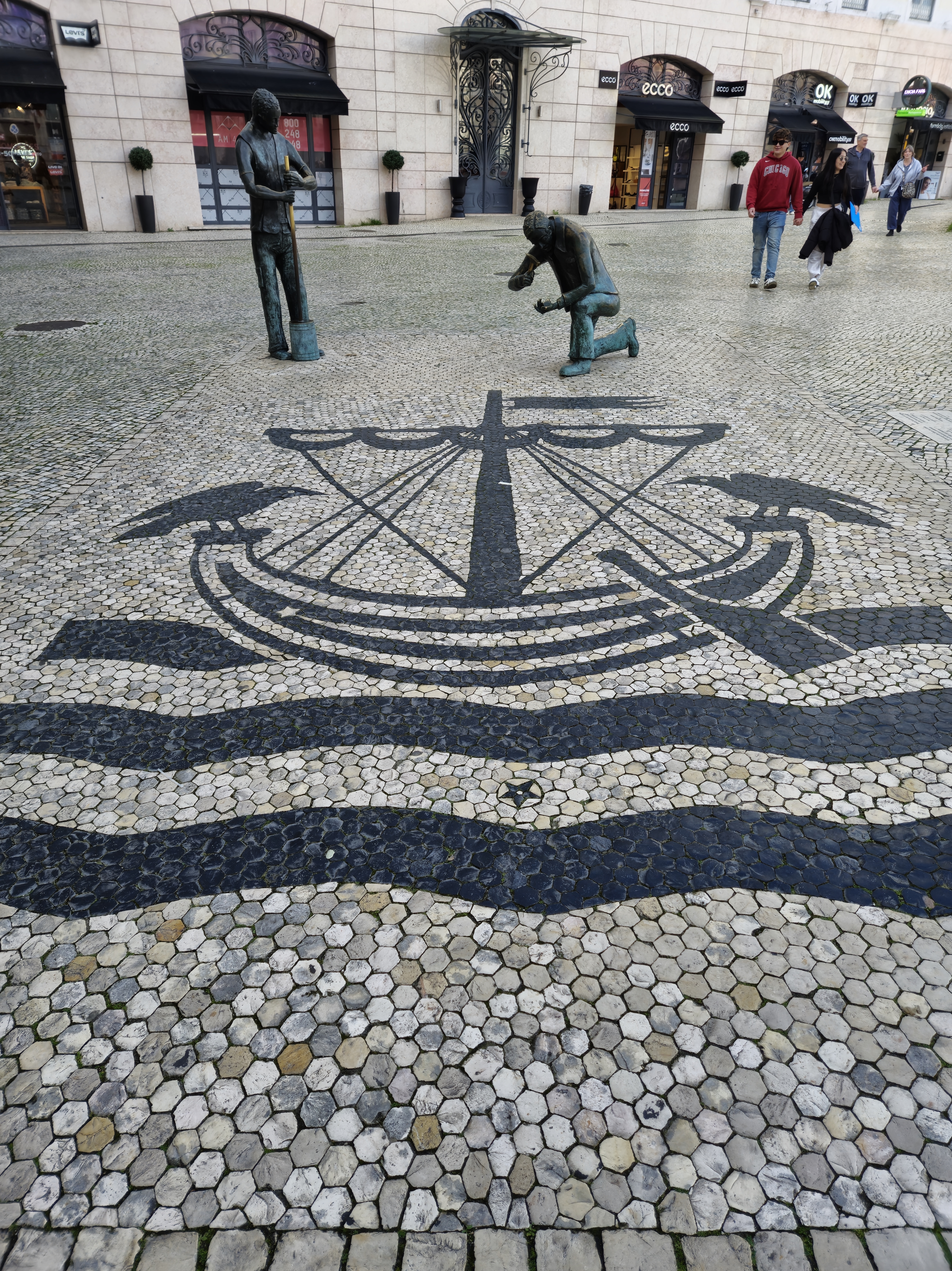
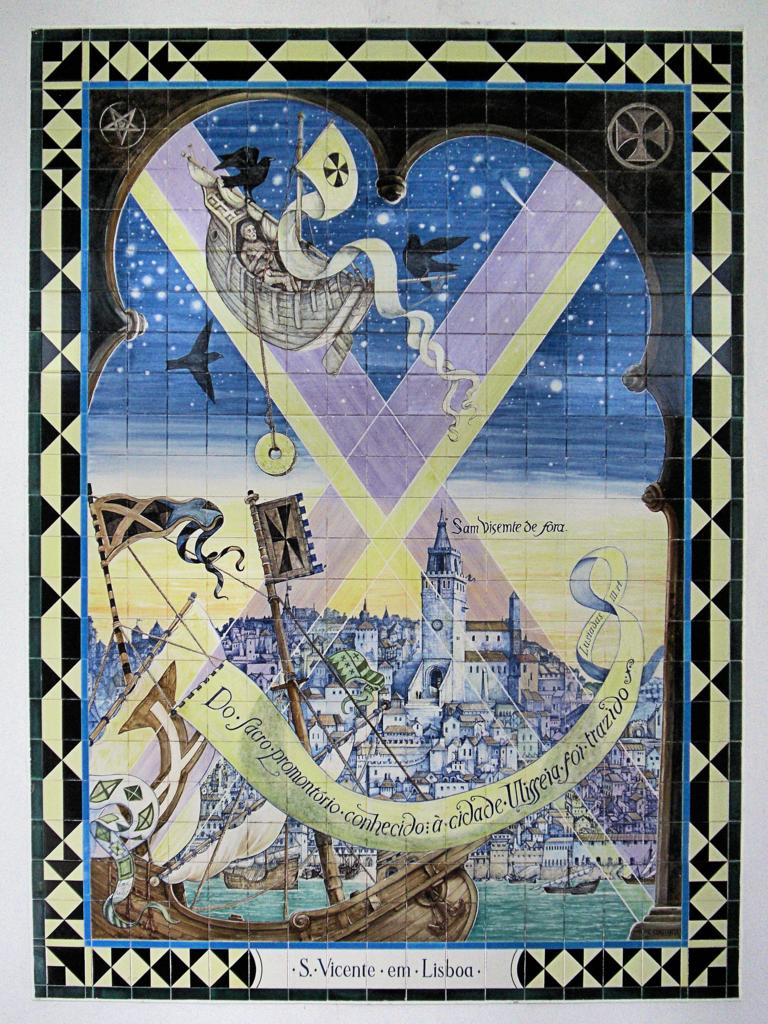
The Greeks named the mouth of the Tagus, where Lisbon stands, Ophiussa – the land of serpents. This mythical power of serpents ties to Lisbon’s tragic fate and the symbolism of the West, representing death, transformation, and the boundary between life and the afterlife. The 1755 earthquake, which devastated Lisbon, mirrored this journey, as the West in ancient myths was seen as the realm of the dead. The city’s coat of arms reflects this existential threat through the story of Saint Vincent of Saragossa, whose body was protected by ravens after his martyrdom at the hands of the Romans. Fittingly, ravens are also psychopomps, acting as guides of souls between worlds.
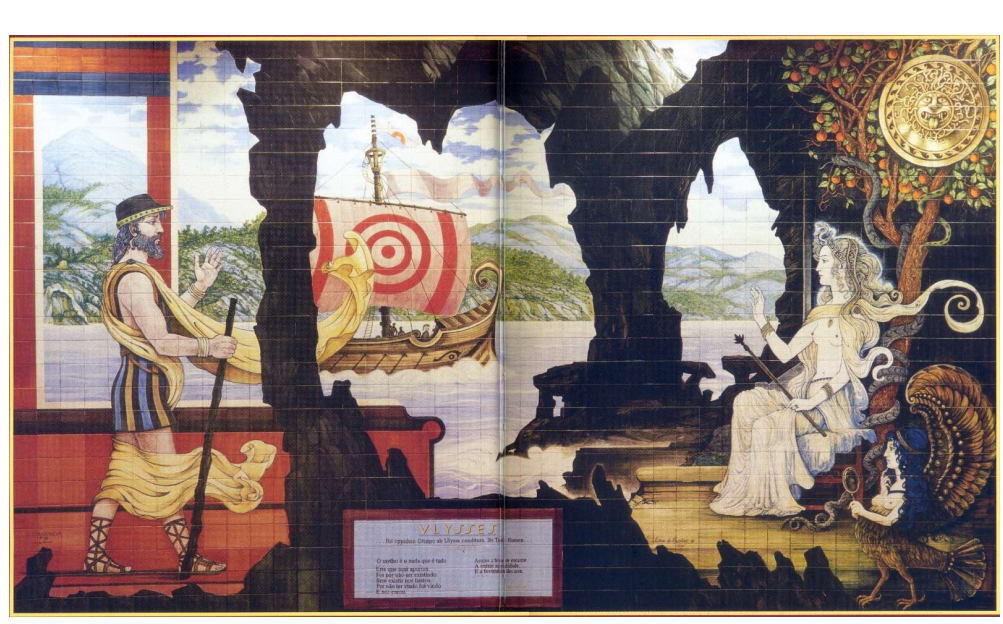
Lisbon is a city rich in legends, and the story of Saint Vincent is featured in one of the fourteen polychrome azulejos wall panels at Restauradores and Rossio stations. Designed by Lima de Freitas in 1976, these large ceramic panels modernize traditional Portuguese azulejos*, blending abstract and figurative elements to narrate Lisbon’s mythical past. One panel depicts Ulysses arriving in Lusitania to meet the queen of serpents in a cave of initiation.
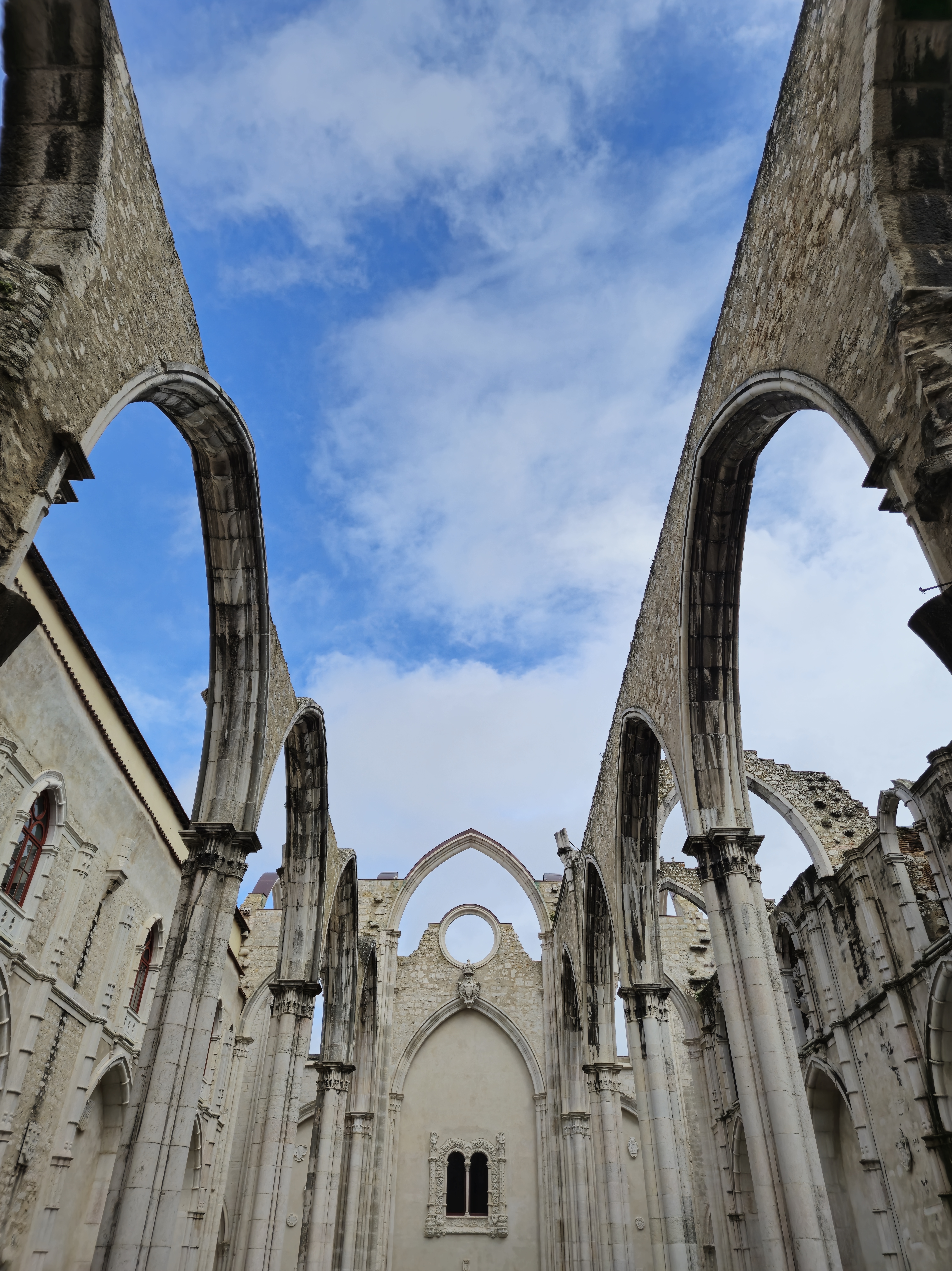
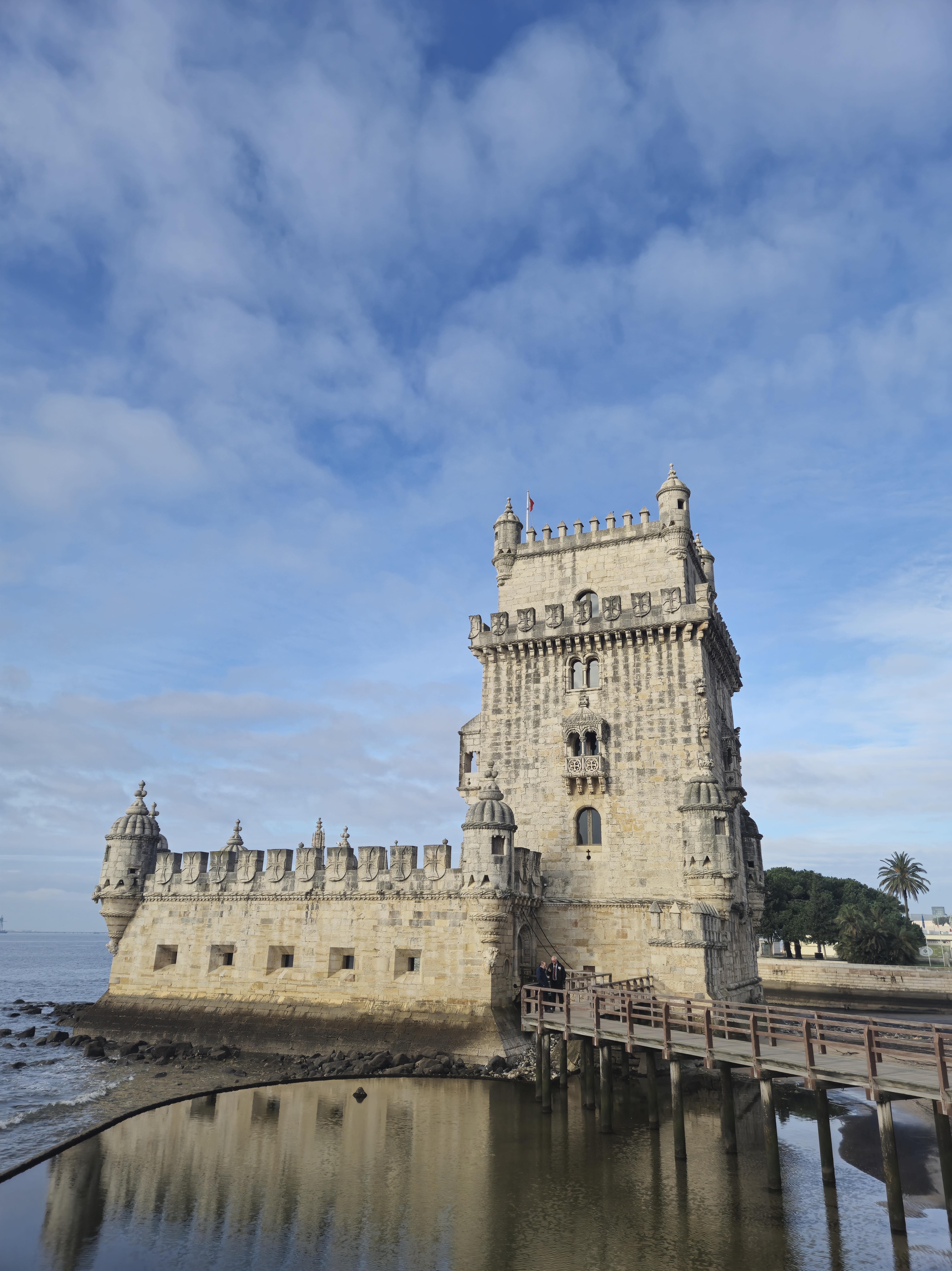
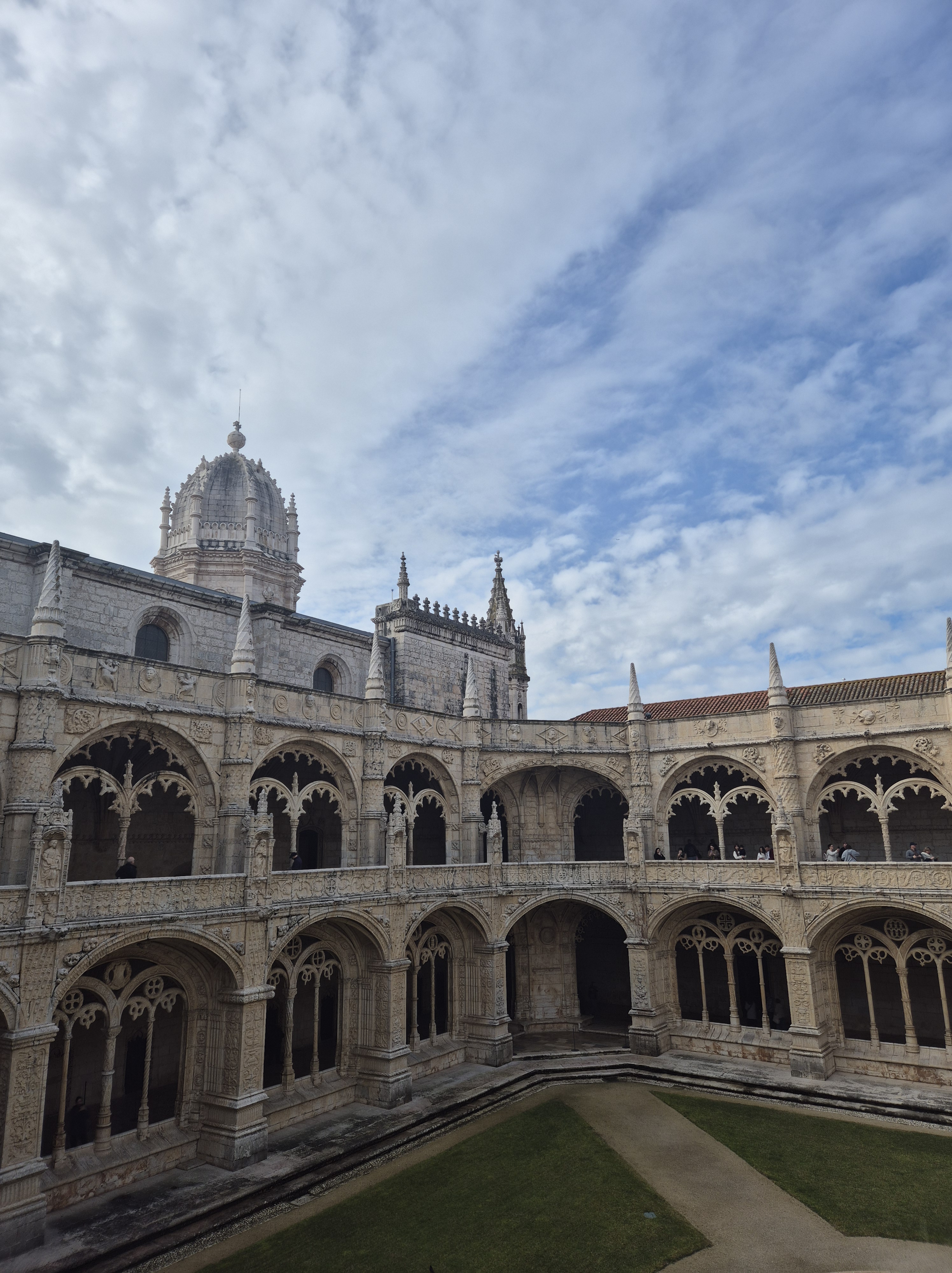
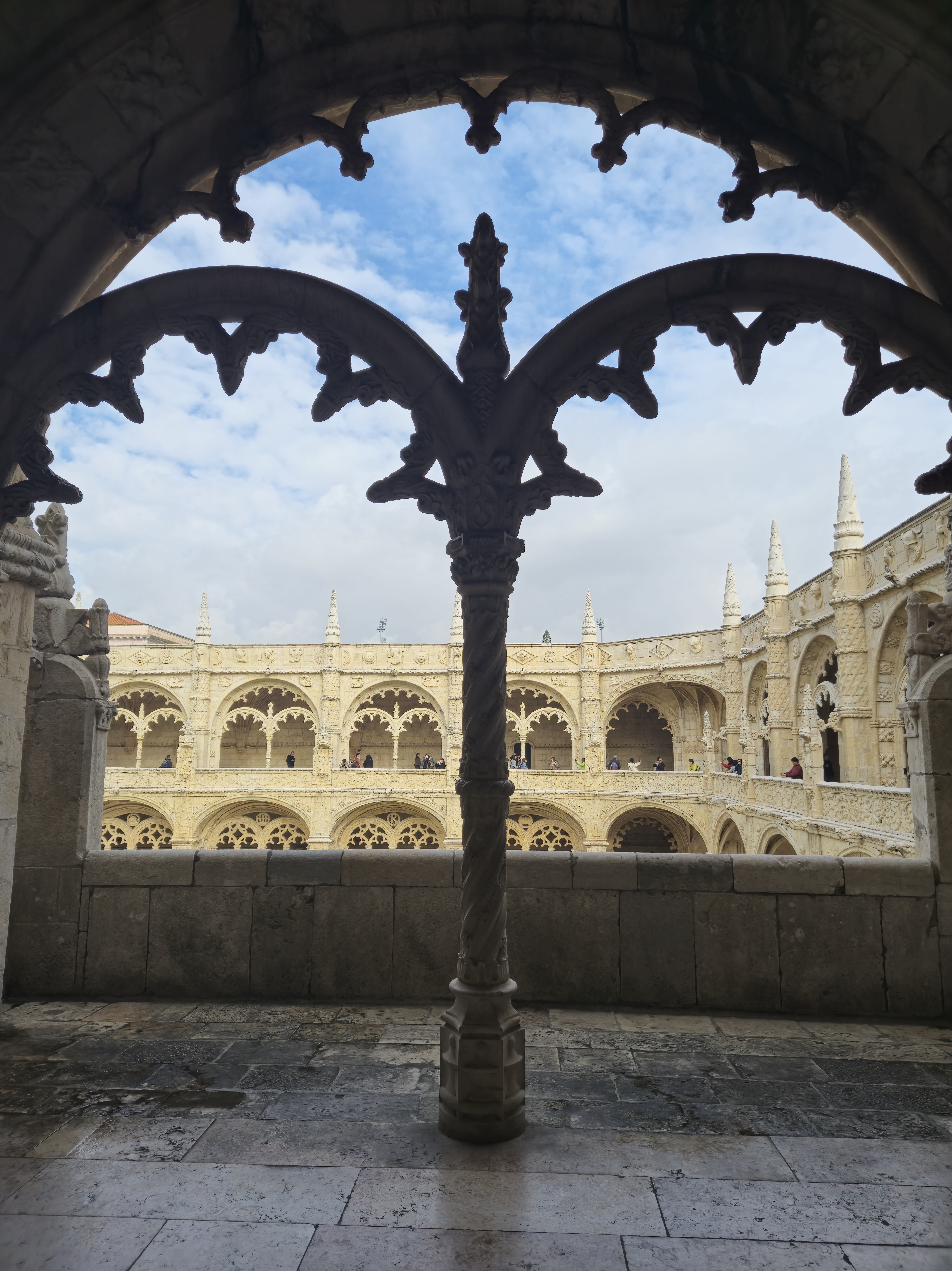
In Lisbon, three key neighborhoods – Baixa, Alfama, and Belém (the latter featured in the photos below) – hold significant spiritual importance. Belém is linked to the Order of Christ, the direct successor of the Knights Templar in Portugal. After the Templars were disbanded in 1312, King Dinis I restructured the order in 1319, preserving their assets and many of their traditions. The Order of Christ continued the Templars’ legacy, including their distinctive symbols, and played a pivotal role in supporting Portugal’s Age of Exploration. I was struck by a sheer number of Masonic and Templar symbols in that area.
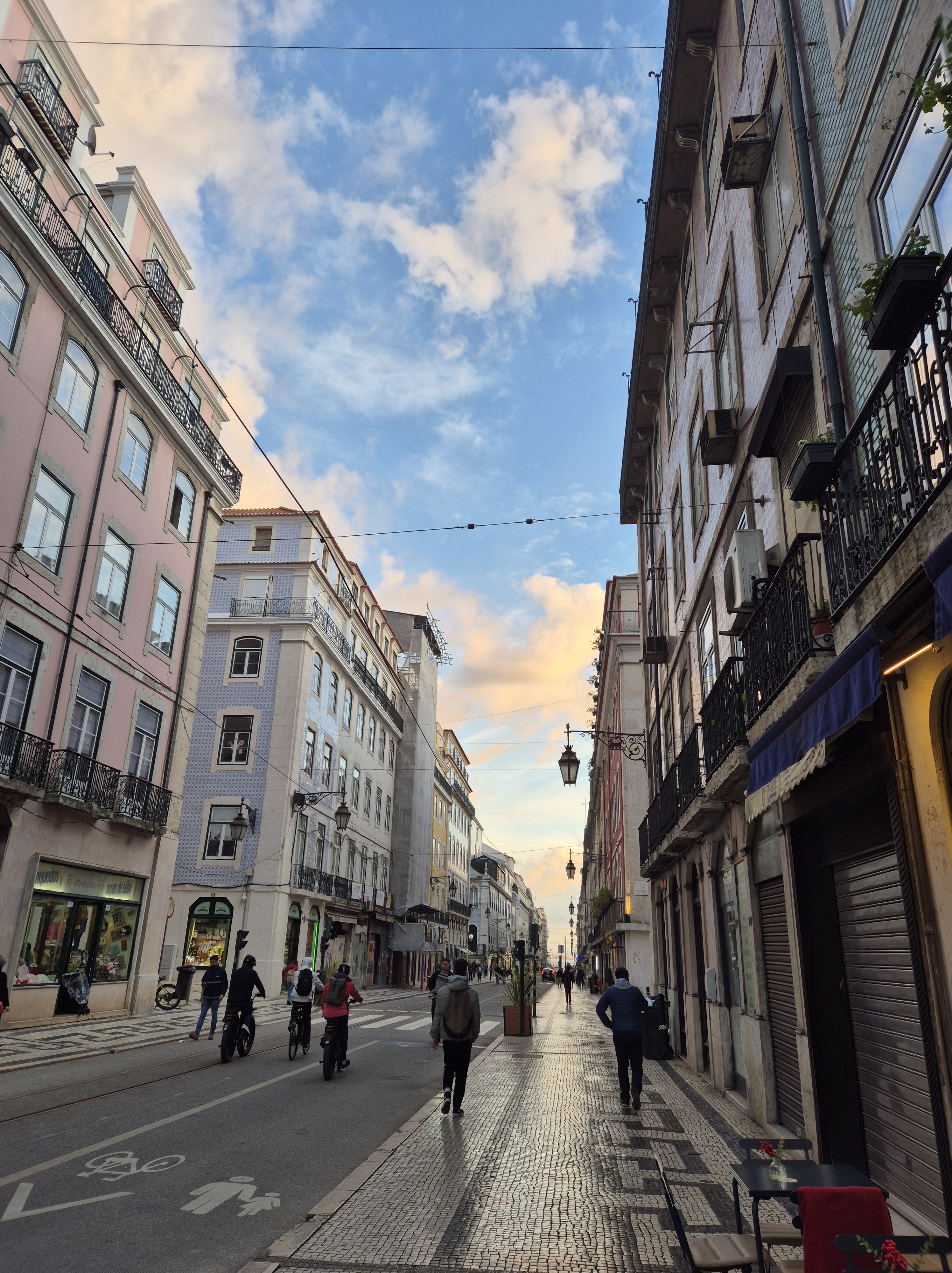
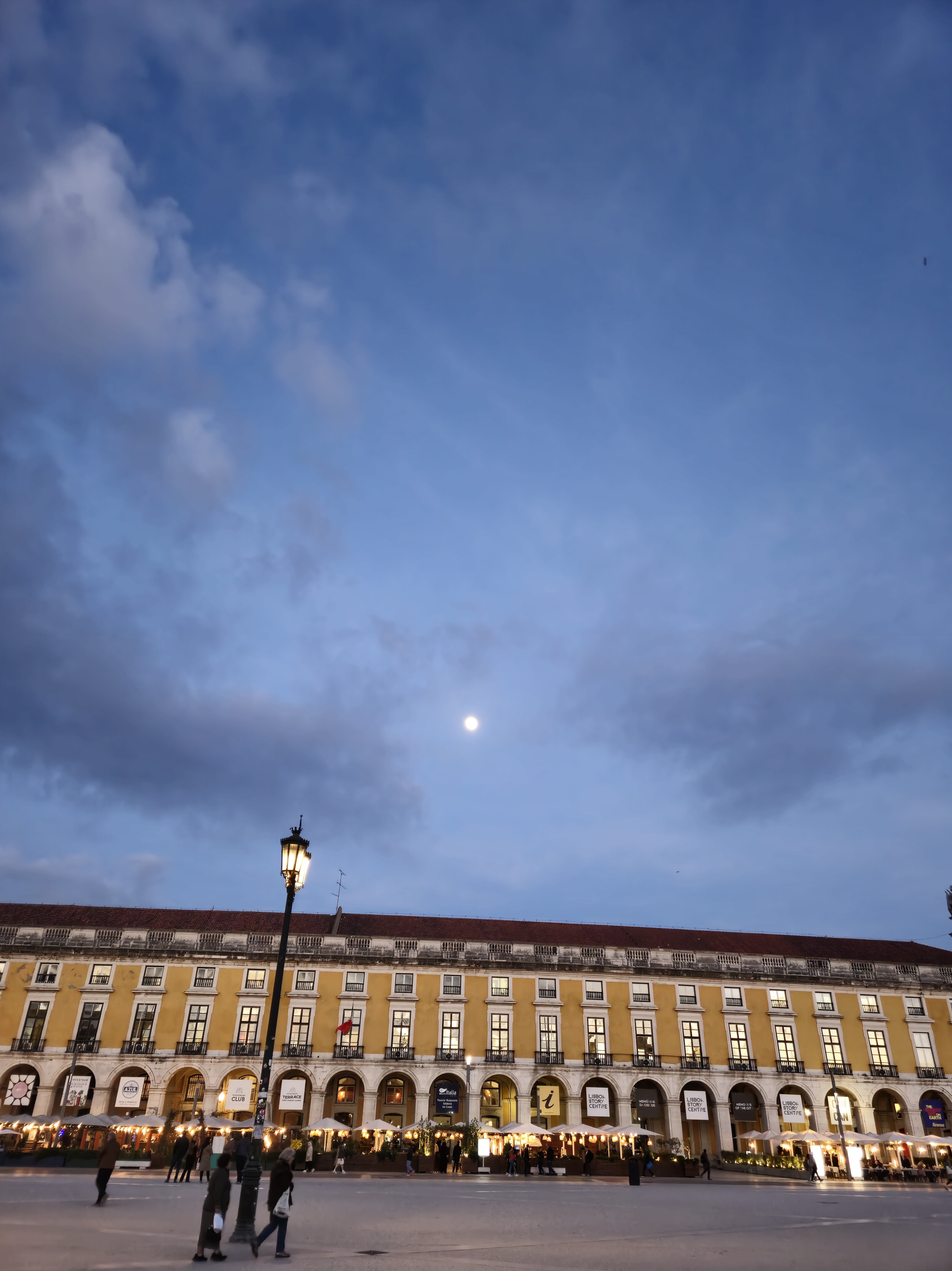
Baixa Pombalina, or simply Baixa, is the downtown area of Lisbon. It was rebuilt in the late 18th century after the 1755 earthquake under the direction of Marquis of Pombal, which is why it bears his name. In its totality, it is a prime example of sacred architecture. Adriao explains:
“Following hermetic tradition …, the Marquis of Pombal … planned 17 large avenues, … which is a key number for Portugal. … Three main avenues lead from … Rua Augusta (in the centre), Rua do Ouro [gold street] and Rua da Prata [silver street] (on either side). They symbolise caudeceus representing Mercury, which is composed of a central column around which two snakes, one black and one white, intertwine; one snake is solar (golden) and the other lunar (silver). These serpents (ofiussas) represent the arteries through which vital energy flows.” (5)
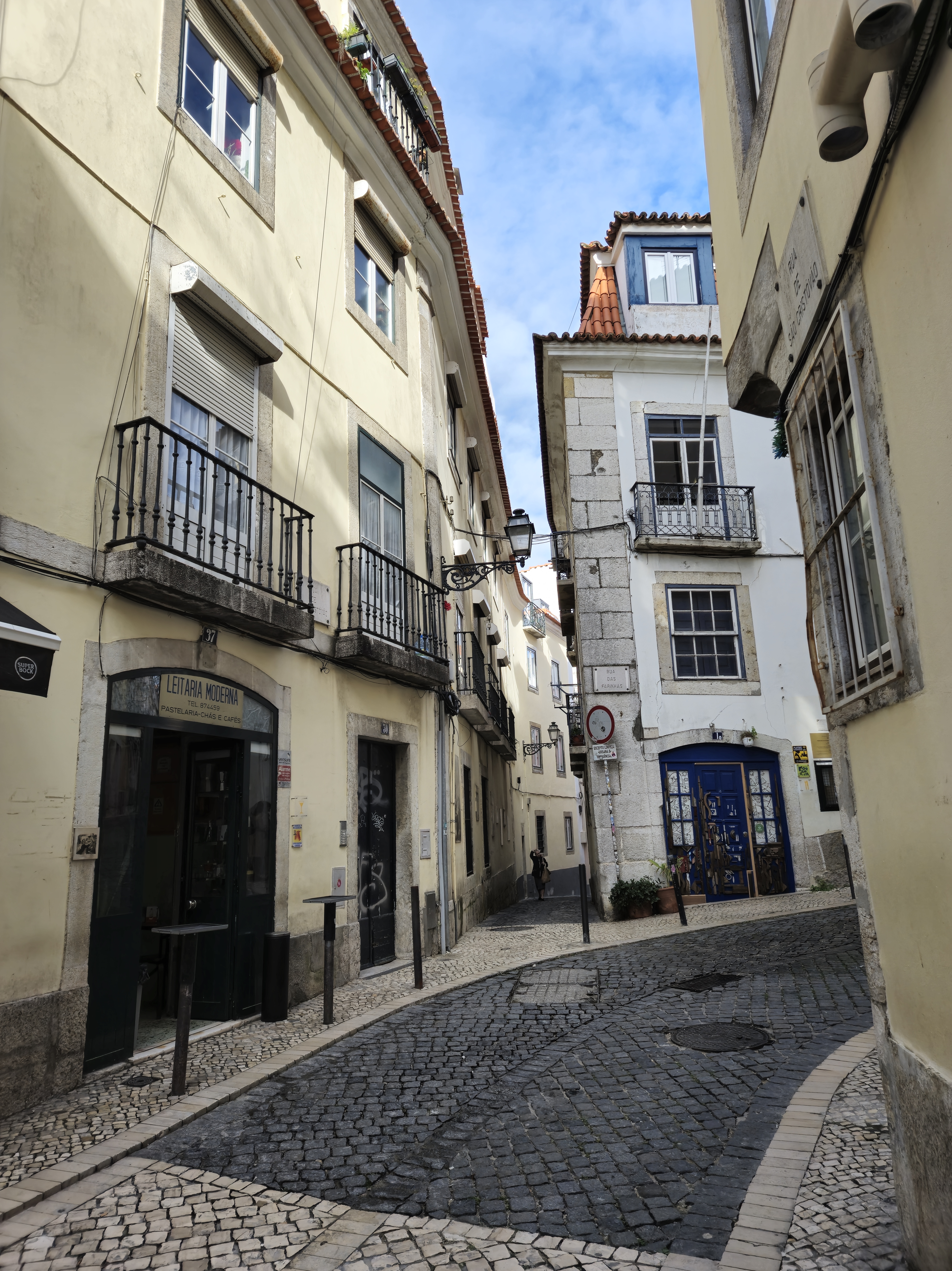
Baixa Pombalina rises in perfect symmetry, a rational masterpiece of urban planning where neoclassical facades and measured streets reflect the Enlightenment’s belief in order and progress. But just a few steps away Lisbon reveals another face. The oldest district called Alfama (its street pictured below on the left) was a labyrinth of irregularities. It was easy to get lost there while Baixa (the street on the right) was the easiest to navigate. In Alfama, the city’s soul is enveloped in saudade – a longing that drifts through the air. This is the birthplace of fado and home to the most wonderful museum I visited during my trip – the Museum of Fado. The word “fado” comes from the Latin fatum, meaning “fate” and in many ways, it captures the soulful essence of Alfama itself. Unlike the sunlit grandeur of Baixa, Alfama is lunar, introspective, soaked in shadows and melancholic melodies.

Support my blog
If you enjoy my writing, please consider donating to support my work. Thank you very much in advance.
$1.00
Notes:
- (1) Lefebvre, Henri. The Production of Space. Translated by Donald Nicholson-Smith, Blackwell, 1991, p. 14.
- (2) Ibid., p. 244.
- (3) Ronnberg, Ami, ed. The Book of Symbols: Reflections on Archetypal Images. Archive for Research in Archetypal Symbolism (ARAS), 2010, p. 614.
- (4) Kark, Christopher. (2014). Portugal as Nostos Interrupted. Journal of Lusophone Studies. 12. 10.21471/jls.v12i0.67.
- (5) Adrião, Vitor Manuel. Secret Lisbon. Jonglez Publishing, 2017, p. 50.
* azulejos – decorative ceramic tiles; from the Arab word meaning “small polished stone”





 symbolreader
thanks, this is great – reading cities (well, all place) as a map in miniature reflecting the greater collective psychic cosmos is a particur interest of mine.
Have you considered publishing on substack? I appreciate the extra work it would involve but I think there is an audience there who would really appreciate your work
LikeLiked by 1 person
Thanks a lot. I am forever inspired by Italo Calvino and his Invisible Cities. When it comes to Substack, I do have an account but that’s the extent of it. I’ll look into it. Thank you again.
LikeLike
Fascinating
LikeLiked by 1 person
Thank you, Alethea.
LikeLike
I have been there twice; it is a fascinating land with fascinating people. Thanks for this fascinating article! 😊🤙💖🙏
LikeLiked by 1 person
Thank you, Aladin. I’m glad you agree.
LikeLiked by 1 person
Lisbon is my favourite city!!! That’s where my boyfriend asked me to marry him, in front of Los Jeronimos. I love Lisbon so much. Thanks for this beautiful article!
LikeLiked by 1 person
That’s incredible, Danah! The most perfect spot. I’m happy you agree with me about Lisbon.
LikeLiked by 1 person