
"The deepest core of life is poetry and symbol." - Dane Rudhyar
Like Symbol Reader on Facebook
-
-
Recent Posts
Categories
Archives
Meta





Author Archives: Symbol Reader
Kafka’s Book of Images – Part 1
Each volume of Reiner Stach’s Kafka biography is a gem in its own right. The Early Years, which, due to legal issues, was published last in the trilogy, offers a treasure trove of insights into Kafka’s childhood and formative years. … Continue reading
Posted in Franz Kafka
Tagged archetypes, biography, C.G. Jung, Early Years, Franz Kafka, part 1, Reiner Stach, sport, symbolism, symbols, water, youth
5 Comments
The War in the Psyche
You might recall that in the film The Pianist, Władysław Szpilman is depicted hiding in the ruins of apartments, witnessing both the Ghetto Uprising in 1943 and the Warsaw Uprising in 1944. Today marks the 80th anniversary of the latter. … Continue reading
Posted in Psyche, War
Tagged archetypes, C.G. Jung, conflict, depth psychology, harmony, history, literature, opposites, Paul Lynch, Poland, Prophet Song, psyche, Soul, symbolism, symbols, Szpilman, The Pianist, War, Warsaw, Warsaw Uprising
2 Comments
The Magic of the Mundane
“The person of higher virtue is like water, benefiting the ten thousand things without struggle. It rests in the lowest places near the Tao. Therefore: In dwelling, choose modest quarters, in thinking, value stillness, in dealing with others, be kind, … Continue reading
The Symbolism of the Dragon
“Dragons are subterranean, winged, smoke- and fire-breathing creatures, hybrid go-betweens in a magical bond between heaven and the underworld, where they guard secret treasures and reign over fires and concealed palaces.” A description found on Dragon Path on Mount Pilatus … Continue reading
Posted in Dragons
Tagged Agathis Daimon, alchemy, archetypes, Bilbo, C.G. Jung, Cadmus, Campbell, China, depth psychology, dragon, Dragons, drakaina, drakon, drakontes, etymology, fantasy, Gaia, goddess, gold, golden apples, Greek myth, guardian, Hermes, hero, Hesperides, James Hillman, Krakow, Ladon, Mercurius, Mysterium Coniunctionis, mythology, Nagas, Pilatus, ring, river, shadow, Shesha, Smaug, Soul, Stilbon, symbolism, symbols, The Red Book, treasure, Typhon, uoroboros, Vishnu, water, Yggdrasil
12 Comments
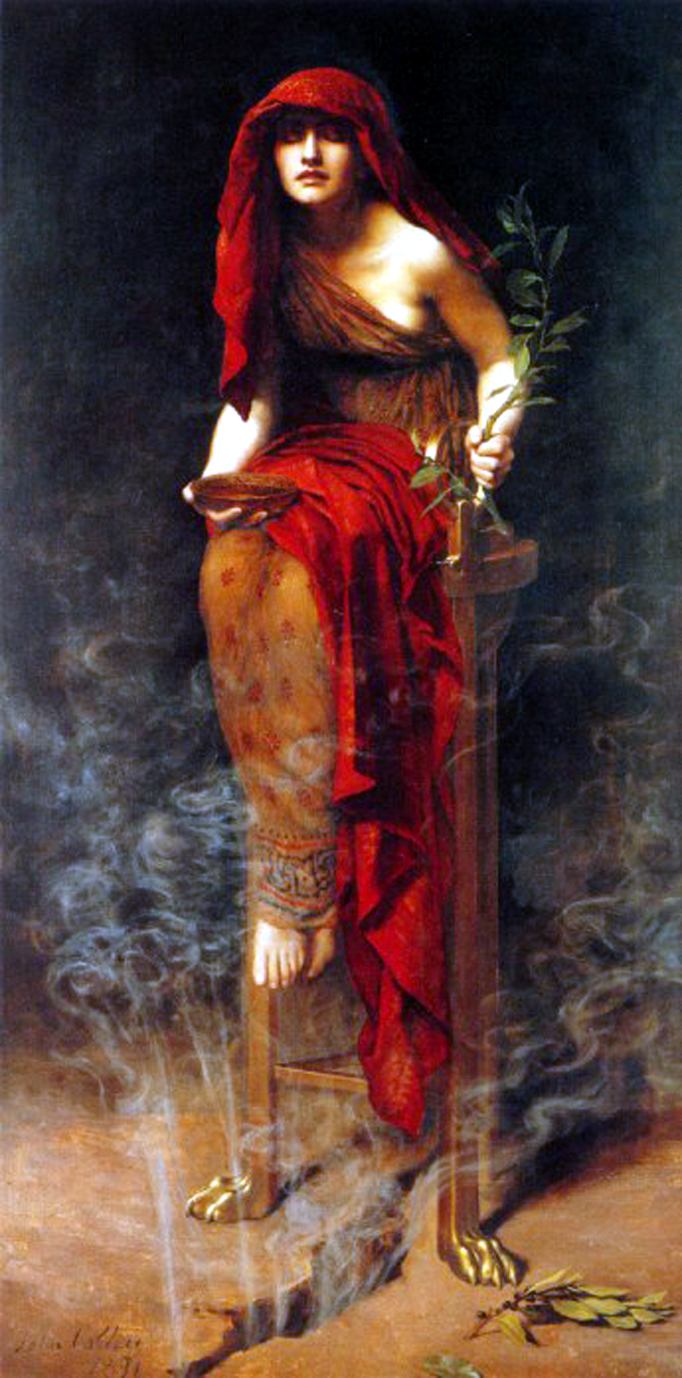
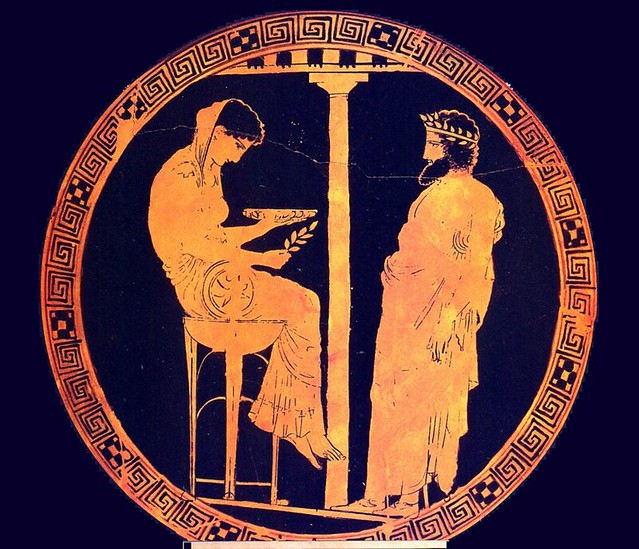
The Sibyls
“But she stood … black like an ancient citadel … as the words, which unrestrained now multiplied in her against her will, screamed and flew around her in incessant circles, while those that had returned home set darkly beneath her … Continue reading
Posted in The Sibyls
Tagged Aeneas, Aeneid, Apollo, archetypes, Black Madonna, black meteor, cave, Christianity, Cumae, Cybele, Delphi, Gaia, goddess, Great Mother, Greece, Hermes, Libyan Sibyl, Loreto, mythology, oracle, Pausanias, Pessinus, poetry, prophecy, Pythia, Sibylline Books, Sibyls, stone, symbolism, symbols, Tarquinius
7 Comments
Sedna
The Inuit peoples have a profound connection to the Arctic as their ancestral homeland. Across the Arctic, one deity stands out as an all-powerful goddess of the sea and the underworld. Her name is Sedna. The name itself is an … Continue reading
Posted in Sedna, Sedna
Tagged Adlivun, archetypes, art, Bitternis, christianization, creation myth, Demeter, dismemberment, goddess, handicapped, Inuit myth, Joanna Bator, limbless, mutilation, mythology, Sedna, shaman, Soul, symbolism, symbols, trauma, Underworld, violence
2 Comments
Antoni Gaudí and His Sagrada Família
Before the 30-year-old Antoni Gaudí designed the Nativity Facade of the Sagrada Família, he underwent a strict twenty-day fast that left him emaciated. The full name of the Basilica is the Expiatory Temple of the Holy Family. Its foundation stone … Continue reading
Posted in Antoni Gaudi
Tagged Antoni Gaudi, archetypes, architecture, Art Nouveau, basilica, Casa Battlo, Catalonia, Catholic art, Catholicism, image, Modernism, nature, organic architecture, Protestant art, Protestantism, sacred art, Sagrada Familia, scripture, symbolism, symbols, temple, word
10 Comments
Hekate: World Soul, Cosmic Bridge and a Liminal Goddess
“Ever since the ‘Timaeus’ it has been repeatedly stated that the soul is a sphere. As the anima mundi, the soul revolves with the world wheel, whose hub is the Pole. … The anima mundi is really the motor of … Continue reading
Posted in Hekate
Tagged anima mundi, Apuleius, archetypes, boundaries, C.G. Jung, cave, Chaldean Oracles, cosmic harmony, daimones, dogs, goddess, Greek myth, Hekate, Helios, Hellenistic era, Hesiod, iynx, Karians, keyholder, keys, kourothropos, liminality, limits, magic, Moon, Olympians, Persephone, Plato, Plutarch, Porphyry, Sibyl, sun, sunthemata, symbola, symbolism, symbols, sympathy, Theogony, theurgy, Titans, torches, Underworld, world soul, Zeus
3 Comments
 symbolreader