Each volume of Reiner Stach’s Kafka biography is a gem in its own right. The Early Years, which, due to legal issues, was published last in the trilogy, offers a treasure trove of insights into Kafka’s childhood and formative years. This past June, I had the privilege of hearing Stach speak briefly about Kafka at a concert held at the Tonhalle in Zurich. The event featured passages from Kafka’s America, set against a backdrop of Czech classical music, in honor of the 100th anniversary of Kafka’s death.
What left a lasting impression on me during Stach’s speech was his infectious energy, a kind of jovial exuberance that seemed to radiate from him. It was the kind of joy that comes from walking one’s true path in life, from having found a personal guru or guiding spirit. Stach’s enthusiasm for Kafka and his work was palpable and infectious.
One sentence from the first volume of the biography struck me as utterly true and perfectly encapsulating the essence of Kafka’s genius:
“His writing was magical in a sense that was utterly unlike the alleged magic of Prague, because every one of his lines passed through the filter of a daunting, often ice-cold intellectual alertness and an unyielding reflexivity saturated with imagery.”
This first post is a brief journey through Kafka’s imaginarium, focusing on his early years and drawing from Stach’s biography. Images, I believe, are central to understanding Kafka’s writing, and his own face has become an iconic image in itself. There’s a hypnotic quality to it – a cross between the human and the non-human, familiar yet strangely alien, much like his work.
The family name Kafka (kavka) means “a jackdaw” in Czech. Jackdaws are small birds related to crows. They are known to be intelligent, elusive, and somewhat mysterious birds. Similarly, Kafka’s life was marked by a sense of alienation and an inward retreat. Much of his existence was spent in quiet observation, working as a clerk by day, writing in solitude by night. Like a jackdaw, he seemed to hover on the edges of society, never fully integrating, yet watching everything keenly. As Stach puts it:
“The feeling that he was standing outside of life and had to find his way in was one of the fundamental, formative experiences that shaped his identity, a focal point of his self-image.”
II. PRAGUE
When Kafka was nineteen, he conceded in a letter to a friend that “Prague does not let go. … This little mother has claws.” The whole of Kafka’s writing is saturated with the spirit of Prague. Though he rarely named the city directly, the essence of Prague – its labyrinthine streets, Gothic architecture, and its historical tensions – permeates his work. In Kafka’s stories, there is often a fluid, dreamlike quality to space and time, where places shift, change, and become unfamiliar, bringing to mind the experience of navigating the winding, ancient streets of Prague. In essence, Kafka’s writing captures the unique, surreal, and oppressive energy of Prague with its sense of alienation and belonging, Kafka knew so well as a German speaking Jew living in a Czech city.
Throughout his life, Kafka longed for foreign travel, dreaming of distant lands and exotic cultures. Yet, each trip had to be carefully planned and kept brief, always cut short by the obligation to return to his office duties.
III. WRITING
A passage from Kafka’s letter to Oskar Pollak has long been my favourite:
“If the book we’re reading doesn’t wake us up with a blow on the head, why are we reading it? So it makes us happy, as you write? My God, we would also be happy if we had no books, and the kind of books that make us happy are the kind we could write ourselves if need be. What we do need are the books that affect us like a calamity that causes us great pain, like the death of someone we loved more than ourselves, like being banished into forests far from everyone, like a suicide, a book must be the axe for the frozen sea within us.”
These are the reflections of young Kafka: not yet a writer, but already an avid reader. He has not yet accessed his “dark depths grabbing hold of the treasures, and bringing them up to the light while keeping them intact”, says Stach. But these very words spelled his writer’s credo.
Limited by his family and professional obligations, Kafka struggled to pursue his writing as freely as he desired. He voiced his doubts during a meeting with Rudolf Steiner, from whom he sought advice:
“Apart from my family situation, I could not live by literature, if only, to begin with, because of the slow maturing of my work and its special character; moreover, I am prevented also by my health and my character from devoting myself to what is, in the most favorable case, an uncertain life. This is why I became an official in a social insurance institute. Now these two professions can never get along and allow a common fortune. The smallest good fortune in one becomes a great misfortune in the other. If I’ve written something good one evening, I’m afire the next day in the office and can’t finish anything. This back and forth is getting worse and worse. In the office, I fulfill my duties satisfactorily, at least outwardly, but not my inner duties, and every unfulfilled inner duty becomes a misfortune that never budges.”
Kafka’s dilemma, ultimately, remained unresolved, and his disappointment with Steiner was evident. He never attended another theosophy lecture. His longing for inner depths and its irreconcilability with the external demands of social obligations is something his readers frequently identified with. C. G. Jung’s distinction into the spirit of our time and the spirit of the depths springs to mind.
One of Kafka’s drawings
IV. SUN AND WATER
Although on land Kafka was full of fear and “social prickliness,” water was a natural element for him. He spent hours swimming and sunbathing; hence his permanently tanned striking face. Shortly before his death he remembered fondly the Lugano sun and wished he could feel it on his face again. It was a memory of a trip to Switzerland he had taken with his friend, Max Brod.
Just as he moved through water with fluid ease, his imagination flowed freely in his stories, drawing from the vast, mysterious depths of his inner world.
He looks frail in photos, yet he loved the physical activity and the outdoors. He could hike for hours, played tennis, rode a bike and even took horseback lessons.
The longing for freedom without external limitations sees to have haunted him all his life. Here’s a memorable passage from his short story “The Wish to be a Red Indian”:
“If only one were an Indian, ready at once and on the running horse, askew in the air, quivering briefly again and again over the quaking ground, until one let go of the spurs, for there were no spurs, until one threw away the reins, for there were no reins, barely aware of the land ahead as a smoothly mowed turf, the horse’s neck and the horse’s head already gone.”
What is crucial to understand about Kafka is that, while he has often been embraced as a figurehead by frail intellectuals, he was far from a desiccated scholar lost in abstract thought. Kafka had a deep and genuine love for popular culture, engaging with it in ways that showed his vibrant curiosity about life. He may have been selective, even snobbish, when it came to literature, but beyond that, his interests were broad and unpretentious.
There was a childlike quality to Kafka—a purity and openness to experience that was most apparent in moments like when he watched the simple, unpolished performances of Yitzhak Löwy’s Jewish theatre. It was this blend of intellectual depth and an almost innocent fascination with the world around him that made Kafka a figure of complex humanity.
Kafka on holiday with Max Brod
Support my blog
If you enjoy my writing, please consider donating to support my work. Thank you very much in advance.
You might recall that in the film The Pianist, Władysław Szpilman is depicted hiding in the ruins of apartments, witnessing both the Ghetto Uprising in 1943 and the Warsaw Uprising in 1944. Today marks the 80th anniversary of the latter. The Polish resistance Home Army aimed to liberate Warsaw from the German occupation before the Soviet Army arrived. The uprising was brutally crushed by the Germans after 63 days, resulting in the death of around 200,000 civilians and widespread destruction of the city. In his memoirs, on which the movie is based, Szpilman describes what the city looked like after the disaster:
“I was alone: alone not just in a single building or even a single part of a city, but alone in a whole city that only two months ago had had a population of a million and a half and was one of the richer cities of Europe. It now consisted of the chimneys of burnt-out buildings pointing to the sky, and whatever walls the bombing had spared: a city of rubble and ashes under which the centuries-old culture of my people and the bodies of hundreds of thousands of murdered victims lay buried, rotting in the warmth of these late autumn days and filling the air with a dreadful stench.”(1)
Below is a short video explaining what happened in a city that survived its own death.
Every year Warsaw commemorates the beginning of the uprising on 1 August at 5 p.m. This is the so called “W” hour during which all people stop whatever they are doing, while traffic comes to a standstill. This is accompanied by the sound of the sirens.
Being of Polish origin, I cannot remain untouched by this day. I often think of the the sewer canals, which the insurgents used to move between parts of the city and to escape the bombardments. The dark cramped canals became scenes of horror and desperation, with many losing their lives in the harrowing underground passages.
I remembered all that vividly while reading a mesmerizing novel by Paul Lynch called Prophet Song. The dystopian novel is set in a near-future Ireland, which is taken over by a repressive totalitarian regime. It is written from a point of view of a mother of four, whose husband gets arrested and the son goes missing, having allegedly joined a resistance movement. It is one of those books of which Kafka said that they are “the axe for the frozen sea within us.” The story unfolds with a hypnotic rhythm, making the deeply brutal realities of civil war very affecting. The absence of paragraph breaks and the integration of dialogue within the text create a seamless, organic flow that feels intensely real and immersive. Although there are chapter breaks, which offer brief respites akin to emerging from an ocean onto a small island to catch one’s breath, the narrative itself remains a relentless, unyielding current that propels the reader forward.
Towards the end comes a passage (a single sentence!) that explains the meaning of the title of the book:
“She looks to the sky watching the rain as it falls through space and there is nothing to see in the ruined yard but the world insisting on itself, the cement’s sedate crumbling giving way to the rising sap beneath, and when the yard is past there will remain the world’s insistence, the world insisting it is not a dream and yet to the looker there is no escaping the dream and the price of life that is suffering, and she sees her children delivered into a world of devotion and love and sees them damned to a world of terror, wishing for such a world to end, wishing for the world its destruction, and she looks at her infant son, this child who remains an innocent and she sees how she has fallen afoul of herself and grows aghast, seeing that out of terror comes pity and out of pity comes love and out of love the world can be redeemed again, and she can see that the world does not end, that it is vanity to think the world will end during your lifetime in some sudden event, that what ends is your life and only your life, that what is sung by the prophets is but the same song sung across time, the coming of the sword, the world devoured by fire, the sun gone down into the earth at noon and the world cast in darkness, the fury of some god incarnate in the mouth of the prophet raging at the wickedness that will be cast out of sight, and the prophet sings not of the end of the world but of what has been done and what will be done and what is being done to some but not others, that the world is always ending over and over again in one place but not another and that the end of the world is always a local event, it comes to your country and visits your town and knocks on the door of your house and becomes to others but some distant warning, a brief report on the news, an echo of events that has passed into folklore, Ben’s laughter behind her and she turns and sees Molly tickling him on her lap and she watches her son and sees in his eyes a radiant intensity that speaks of the world before the fall, and she is on her knees crying, taking hold of Molly’s hand.”
The root of the word “war” is Germanic and means “discord” and “confusion.” (2) In Mysterium Coniunctionis, Jung spoke of the war reflecting the clashing forces of the psyche:
“Just as the decay of the conscious dominant is followed by an irruption of chaos in the individual, so also in the case of the masses (Peasant Wars, Anabaptists, French Revolution, etc.), and the furious conflict of elements in the individual psyche is reflected in the unleashing of primeval blood-thirstiness and lust for murder on a collective scale. … Once the symptoms are really outside in some form of sociopolitical insanity, it is impossible to convince anybody that the conflict is in the psyche of every individual, since he is now quite sure where his enemy is. …
Only the living presence of the eternal images can lend the human psyche a dignity which makes it morally possible for a man to stand by his own soul, and be convinced that it is worth his while to persevere with it. Only then will he realize that the conflict is in him, that the discord and tribulation are his riches, which should not be squandered by attacking others …” (3)
This is why the Warsaw “W” hour moment of silence is so crucial: a moment of reflection and an insight into the clashing opposites within the human soul. As Jung concludes, “If the ego does not interfere with its irritating rationality, the opposites, just because they are in conflict, will gradually draw together, and what looked like death and destruction will settle down into a latent state of concord.” (4) This profound idea mirrors a sublime moment in The Pianist, when the helpful German officer Wilm Hosenfeld, amidst the ruins, asks Szpilman to play the piano. Szpilman plays Chopin’s Nocturne in C-sharp minor, and this moment encapsulates the fragile beauty of reconciliation.
Salvador Dali, “The Mysterious Source of Harmony”
Support my blog
If you enjoy my writing, please consider supporting my work.
$1.00
Notes:
(1) Władysław Szpilman (1999). The Pianist: The Extraordinary Story of One Man’s Survival in Warsaw, 1939–45, trans. Anthea Bell. London: Victor Gollancz Ltd.
(2) Ronnberg, Ami, ed. (2010). The Book of Symbols: Reflections on Archetypal Images. New York: Archive for Research in Archetypal Symbolism (ARAS).
(3) CW 14: par. 510-511.
(4) Ibid: par. 507 (also quoted by Ronnberg in The Book of Symbols, entry: war/warrior)
In Chinese mythology, the universe begins as a formless chaos or an egg. Inside this chaos is Pangu, a giant who eventually breaks out of the egg. As he emerges, he separates the chaos into yin and yang, which represent the fundamental dualities of existence. From these dualities, the world is formed, with yin and yang continuously interacting to create and sustain life. This is a common motif in many creation myths. From the primordial unity, consciousness emerges through the separation of opposites. This duality is mirrored in the division of the human brain into the left and right hemispheres.
Jackson Pollock, “Circle”
C. G. Jung wrote in Mysterium Coniunctionis:
“Consciousness requires as its necessary counterpart a dark, latent, non-manifest side, the unconscious, whose presence can be known only by the light of consciousness.”
In his book The Master and His Emissary: The Divided Brain and the Making of the Western World, Iain McGilchrist argues that Western culture has been repressing the right hemisphere of the brain, resulting in a collective neurosis. He identifies an inherent conflict between the two hemispheres and notes that this conflict is intensified by a pronounced favoritism towards the left hemisphere. To use the terms from Jungian psychology, McGilchrist suggests that the Western collective ego has severed itself from its nourishing, unconscious roots.
McGilchrist’s book is written in a circular fashion: it is not a logical exposition but rather a circumambulation (moving around) of the topic. This cannot be an accident. Since the book’s aim is to restore the importance of the right hemisphere, the way it is written mirrors how the right hemisphere works. It is not linear but cyclical. It keeps circling back to issues it previously touched upon, deepening them each time.
Nowadays, a lot is said about the deficit of attention and the omnipresent distraction. I would argue that the current crisis is related to the subject of McGilchrist’ book. The right hemisphere represents broad attention. It sees things in their context, while “the left hemisphere sees things abstracted from context, and broken into parts.” (1) The right hemisphere, like the Jungian unconscious, explores the environment vigilantly and with care. What it brings to attention, can be processed and classified by the left hemisphere. Crucially, what the left hemisphere deals with is decontextualized, which means not embedded in the living world. It produces “abstracted classes of things” while the right hemisphere deals with “actually existing things.” Consequently, the left hemisphere is preoccupied with classes and abstract types while the right hemisphere concentrates on “the uniqueness and individuality of each existing thing or being.” To put is simply, the left brain prefers all things mechanical, while the right brain is drawn tolife.
Pablo Picasso, “Poet” (Analytical Cubism)
Only the right hemisphere can carry us to something new; only the right half of the brain can show us a new perspective and a new territory. The left hemisphere, in contrast, can be described as “self-referring.” While the left hemisphere follows a clearly defined agenda, the right one is more often to whatever may come; “it is vigilant for whatever is, without preconceptions, without a predefined purpose.” Towards the end of his book McGilchrist diagnoses our times as, unsurprisingly, dominated by the rational left hemisphere. As a society we do not value “the pre-reflective grounding of the self” – that is, the right hemisphere and what it represents. Without this grounding, we turn to over-stimulation to fight the ever-present boredom.
The two hemispheres of the brain perceive the body in fundamentally different ways. For the right hemisphere, the body is something we inhabit and experience directly. In contrast, the left hemisphere views the body as an object in the world, detached from personal experience. This distinction has significant implications for social interactions and our sense of self. The right hemisphere is responsible for forging social connections and seeking new experiences, constantly engaging with the world to build relationships. On the other hand, the left hemisphere tends to prefer “atomistic isolation,” focusing on individual parts rather than the whole. A sense of self can only truly emerge through contact with others, facilitated by the right hemisphere. Neurological damage to the right hemisphere often results in schizophrenic isolation and a disconnection from reality, highlighting its crucial role in maintaining social bonds and a coherent sense of identity.
Jean Metzinger, “Nature Morte” (Analytical Cubism)
Given that the right hemisphere’s domain encompasses life in all its messiness, it is no surprise that emotions and empathy also fall under its sphere of control. The right hemisphere deals with the expression of raw, warm and authentic emotions while the left hemisphere “specialises in more superficial, social emotions.” Furthermore, the left hemisphere is selfish and competitive; the right – cooperative.
Henri Rousseau, “The Happy Quartet”
The “selfish” and “disconnected” left hemisphere values utility above all else. It strives to maximize gain and profit. It values a clear purpose. On the other hand, the right hemisphere plays a dominant part in those spheres of life, which are normally not valued by post-industrial societies, i.e. “imagination, creativity, the capacity for religious awe, music, dance, poetry, art, love of nature, a moral sense, a sense of humour and the ability to change …[one’s] mind.”
McGilchrist postulates the affinity between archetypes and symbols with the right hemisphere. He writes,
“.. a symbol such as the rose is the focus or centre of an endless network of connotations which ramify through our physical and mental, personal and cultural, experience in life, literature and art: the strength of the symbol is in direct proportion to the power it has to convey an array of implicit meanings, which need to remain implicit to be powerful.”
The left hemisphere understands only literal and explicit “signs”, for example the red traffic light.
Crucially, Jung viewed archetypes and symbols as embedded in life, not abstract and lifeless. In his essay “Mind and Earth” Jung offered a definition of archetypes as “living and active foundations” of the psyche. He saw them as “the roots which the psyche has sunk not only in the earth but in the world in general.” Through the archetypes, “psyche is attached to nature” forming a tangible link with the earth and the body. (2)
Tove Jansson, “Sleeping in the Roots”
The central metaphor of the book, that of the master (the right hemisphere) and his emissary (the left hemisphere) is based on the idea that the emissary has usurped the role of the master in our culture. The left hemisphere pretends to dominate the whole of experience. Yet in fact its world is fairly limited: it stays within its own closed loop of information. The knowledge it possesses is based on representation: it deals with things and ideas that it already knows: it has no access to the living world and to the actual “things” that it so eagerly talks about. It sees the world merely as a mechanism with parts that can be utilized or rearranged. It seeks to analyze, separate and divide. It seeks to exploit the world that it treats as “a heap of resources.”
The right hemisphere, however, sees the world as “a living thing.” McGilchrist goes as far as to say that the left, “bloodless” hemisphere is parasitic in relation to the right:
“It does not itself have life: its life comes from the right hemisphere… The left hemisphere is competitive, and its concern, its prime motivation, is power.”
In other words, the left hemisphere knows nothing of the soul. Not only that, it is also suspicious of the body. The same goes for nature, religions and any kind of spirituality; anything that depends on the implicit context for that matter. The despotic left hemisphere cannot stand all of these because they undermine its power. It loves talking about these subjects but only from a conceptualized standpoint:
“Today all the available sources of intuitive life – cultural tradition, the natural world, the body, religion and art – have been so conceptualised, devitalised and ‘deconstructed’ (ironised) by the world of words, mechanistic systems and theories constituted by the left hemisphere that their power to help us see beyond the hermetic world that it has set up has been largely drained from them.”
The main emotion of the right hemisphere, so distorted and repressed in our culture, is “a desire or longing towards something, something that lies beyond itself, towards the Other.” McGilchrist speaks of a relational nature of the right hemisphere. An important relationship is the one with the Absolute, be it a Deity, the Unconscious or the Lover. He draws our attention to the Sistine Chapel fresco that depicts God sending divine communication to Adam’s left hand, which means the one connected to the right hemisphere. McGilchrist emphasizes the right hemisphere’s connection to life, the embodiment but also to the realm of the archetypes. He explains his view of the archetypes and their connection with the right hemisphere in this particularly striking passage:
“He saw these as bridging the unconscious realm of instinct and the conscious realm of cognition, in which each helps to shape the other, experienced through images or metaphors that carry over to us affective or spiritual meaning from an unconscious realm. In their presence we experience a pull, a force of attraction, a longing, which leads us towards something beyond our own conscious experience, and which Jung saw as derived from the broader experience of humankind. An ideal sounds like something by definition disembodied, but these ideals are not bloodless abstractions, and derive from our affective embodied experience.”
Sistine Chapel Ceiling: Creation of Adam
It is precisely for this reason that the right hemisphere can have prophetic or divinatory qualities. Our world, however, being dominated by the left hemisphere, knows nothing of forces beyond its ken. We are busy, says McGilchrist, imitating machines while “skills have been downgraded and subverted into algorithms.”
Robert Andrew Parker, Illustration for Kafka’s short story “In the Penal Colony”
McGilchrist offers a summary of the role the hemispheres play during different cultural epochs. Not surprisingly, the Renaissance brought the dominance of the right hemisphere. Especially the plays of Shakespeare celebrated the richness and variety of the human experience and life itself; “at every level he confounded opposites, seeing that the ‘web of our life is of a mingled yarn, good and ill together’” Ambiguity, nostalgia, soul longing were all squashed in the times of the Enlightenment. Descartes with his I think therefore I am wrote of a deep mistrust of the body, which in his view distorts the purity of reason. The light component in the Enlightenment meant shunning of the shadows. That changed when Romanticism came with its predilection for the right hemisphere. Suddenly moonlight, twilight, shadows, mist and fog were in, together with deep nostalgia, melancholy and longing for redemption.
Caspar David Friedrich, “Fog”
In our left-hemisphere dominated times, technology and bureaucracy are in their golden age as perfect “systems of abstraction and control.” While the right hemisphere sees every individual as unique, the left one sees them as “simply interchangeable (‘equal’) parts of a mechanistic system, a system it needs to control in the interests of efficiency.” The right hemisphere accepts the imperfect, mortal human; the left one dreams of omnipotence and endless abstracted existence.
In a similar vein, C. G. Jung in The Red Book spoke about the dichotomy spirit of our times (Zeitgeist) and the spirit of the depths:
“The Zeitgeist considers dreams as ‘foolish and ungainly,’ and itself as filled ‘with ripe thoughts.’ It considers itself superior due to its developed logical-discursive thinking. It faces simple visual thinking with condescending disdain. This thinking in the mode of the Zeitgeist is dominant, anticipatory, abstract, and self-confident. It is thinking in the style of scientifically methodical knowledge, or absolutized “directed thinking’…” (3)
In Grimm’s fairy tales, there is often a character who can be described as a “wise simpleton,” such as Hans Dumb and many others. Paul Brutsche contrasts the instinctive wisdom of these “dumb” characters with the know-it-all attitude of their older siblings. (4) Yet, in the fairy tales, it is Hans Dumb who marries the princess, symbolizing the attainment of inner wholeness. If our civilization does not learn to trust the “dumb, silent” hemisphere of the brain, we will continue to live in fragmentation and randomness.
(1) McGilchrist, Iain. The Master and His Emissary: The Divided Brain and the Making of the Western World. Yale University Press, 2009.(all quotes, unless otherwise indicated, come from this book)
(2) The Collected Works of C.G. Jung: Vol. 10. Civilization in Transition, par. 53
(3) Paul Brutsche. “The Creative Power of Soul: A Central Testimony of Jung’s Red Book” in: M. Stein and T. Arzt, Jung’s Red Book For Our Time: Searching for Soul under Postmodern Conditions Volume 3. Chiron Publications, 2019.
(4) Ibid.
Support my blog
If you enjoy my writing, please consider supporting my work.
“The person of higher virtue is like water, benefiting the ten thousand things without struggle. It rests in the lowest places near the Tao. Therefore: In dwelling, choose modest quarters, in thinking, value stillness, in dealing with others, be kind, in choosing words, be sincere, in leading, be just, in working, be competent, in acting, choose the correct timing. Follow these words and there will be no error.”
Tao Te Ching, Verse 8 (translated by Robert Brooks)
Once again, Japanese culture has captured my heart recently. Firstly, I delved into the latest novel by Haruki Murakami, which I read in German since the English translation won’t be available until November. The English title is set to be The City and Its Uncertain Walls. The second work of art was the movie Perfect Days directed by Wim Wenders. The two have merged in my mind. I could not help but link them with the philosophy of the Tao.
In “Perfect Days,” beautifully portrayed by Koji Yakusho, the protagonist is a Tokyo toilet cleaner with a simple motto: “Now is now.” The director intentionally withholds his backstory, leaving us with only hints of his possible past affluence. Despite his humble job, he approaches it with unwavering dedication and diligence. He’s a creature of habit, following the same routine each day, and he’s not one for many words. Yet, his gentle eyes reveal the depth of his soul. He tends to his plants with meticulous care and faithfully photographs the same tree in a temple park daily, storing the developed photos in labelled boxes. Furthermore, he shuns modern technologies, opting instead for cassettes and paper books. We have a reason to suspect there is enormous depth to this character though the external circumstances of his life are very repetitive. Each “perfect day” of his life unfolds in precisely the same manner.
In my view, it’s precisely this repetition that stands out as the film’s greatest strength. Once the routine of his days is disrupted, the movie loses its allure for me. The other forgettable characters seem to bounce off the main character like bullets off a bulletproof glass; they simply can’t measure up to him.
Murakami’s The City and Its Uncertain Walls is infused with his trademark magic, featuring captivating symbols and ideas such as the relationship with one’s shadow, traversing between our world and the dream realm, and taking a job of the one who reads people’s dreams. In the second part, the protagonist leaves behind a successful career at a publishing house to embrace the simple life as a library director in the countryside. It’s here that Murakami’s signature blend of the mundane and the mystical comes to fruition. These everyday moments of work and leisure – cooking meals, reading books, doing laundry, sitting on the balcony, and taking walks – are among my favourite aspects of all Murakami’s novels and connect his new work with Perfect Days.
Both the movie and the book prompted me to contemplate the mysteries of the left and right hemispheres and their differing perceptions of the world. I’m considering writing a more extensive post exploring these themes. While many criticized Perfect Days for its monotony and a seemingly tedious plot, what may appear as mundane and repetitive to the left hemisphere is perceived as fresh and unique by the right hemisphere, which is always attuned to the present moment and the vibrancy of life. The repetition of the right hemisphere resembles a ritual and is never mindlessly mechanical. In our culture, which is predominantly influenced by the left hemisphere, we often lack patience for monotony. The left brain craves continual stimulation and struggles with ambiguity, as it insists on clear-cut answers. As Iain McGilchrist says in his book The Master and His Emissary: The Divided Brain and the Making of the Western World,
“The world of the left hemisphere, dependent on denotative language and abstraction, yields clarity and power to manipulate things that are known, fixed, static, isolated, decontextualised, explicit, disembodied, general in nature, but ultimately lifeless. The right hemisphere, by contrast, yields a world of individual, changing, evolving, interconnected, implicit, incarnate, living beings within the context of the lived world, but in the nature of things never fully graspable, always imperfectly known – and to this world it exists in a relationship of care.”
Both the movie and the book explore the worlds hidden in the shadows. They do not answer any questions unequivocally, but I am not bothered by this.
support my blog
If you enjoy my writing, please consider donating to support my work. Thank you very much in advance.
“Dragons are subterranean, winged, smoke- and fire-breathing creatures, hybrid go-betweens in a magical bond between heaven and the underworld, where they guard secret treasures and reign over fires and concealed palaces.”
A description found on Dragon Path on Mount Pilatus (known as Dragon Mountain) in Switzerland
Dragons have manifested across virtually every culture throughout history. Humankind appears to possess “an instinct for dragons”, evidenced by the presence of a name for this mythical creature in the majority of languages. (1) Tolkien called his dragon Smaug, which is connected to the old Germanic word “smeugan” – to squeeze through a hole. In my native Polish we refer to it as smok, which takes us back to proto-Indoeuropean “smewk” – e.i. to slither, to sneak. In the majority of other European languages, including English, variations of the Latin term dracō are employed. This term is borrowed from the Greek δράκων (drákōn), which directly translates to “keen-sighted,” derived from the Greek δέρκεσθαι (dérkesthai) meaning “to observe sharply or keenly.” Not all scholars fully embrace this etymology but based on the language alone we have a stealthy creature with a keen sense of sight. It is worth mentioning that Greek drakontes had more serpent-like characteristics than the standard medieval dragon. The drakontes were not snakes, however, which were called ophis in Ancient Greece. In Greek mythology, a diverse array of creatures were categorized as drakontes. Among them were notable figures such as Typhon, Echidna, Ladon, Hydra, the Sphinx, and Python—often depicted as a female dragon, or drakaina. Even Asclepius was occasionally referred to as the dragon. In Indian Myth, the equivalent creatures to the Greek drakontes were probably the Nagas, associated with water, fertility, protection and wisdom. Vishnu is often depicted as resting on a Naga called Shesha, who is a serpent with a thousand heads.
The dragon is at home in all four elements and in all worlds: in the sky, in the water, on the earth and in the underworld. In his Book of Imaginary Beings Jorge Luis Borges writes the following about the Eastern Dragon:
“Generally, it is imagined with a head something like a horse’s, with a snake’s tail, with wings on its sides (if at all), and with four claws, each furnished with four curved nails. We read also of its nine resemblances: its horns are not unlike those of a stag, its head that of a camel, its eyes those of a devil, its neck that of a snake, its belly that of a clam, its scales those of a fish, its talons those of an eagle, its footprints those of a tiger, and its ears those of an ox. … . It is customary to picture them with a pearl, which dangles from their necks and is a symbol of the sun. Within this pearl lies the Dragon’s power. The beast is rendered helpless if its pearl is stolen from it. According to its will, the Dragon can become visible or invisible. In springtime it ascends into the skies; in the fall it dives down into the depths of the seas.
The Celestial Dragon carries on its back the palaces of the gods that otherwise might fall to earth, destroying the cities of men; the Divine Dragon makes the winds and rains for the benefit of mankind; the Terrestrial Dragon determines the course of streams and rivers; the Subterranean Dragon stands watch over treasures forbidden to men.”
Detail from Nine Dragons by Chen Rong (1244). View the entire scroll here
In Western tradition, the most brilliant elucidation of the dragon symbolism is perhaps to be found in alchemy, as Jung writes:
“The dragon in itself is a monstrum—a symbol combining the chthonic principle of the serpent and the aerial principle of the bird. It is, as Ruland says,’ a variant of Mercurius. But Mercurius is the divine winged Hermes, manifest in matter, the god of revelation, lord of thought and sovereign psychopomp. The liquid metal, argentum vivum—‘living silver,’ quicksilver—was the wonderful substance that perfectly expressed the nature of the στίλβων*: that which glistens and animates within. When the alchemist speaks of Mercurius, on the face of it he means quicksilver, but inwardly he means the world-creating spirit concealed or imprisoned in matter. The dragon is probably the oldest pictorial symbol in alchemy of which we have documentary evidence. … Time and again the alchemists reiterate that the opus proceeds from the one and leads back to the one, that it is a sort of circle like a dragon biting its own tail. … Mercurius stands at the beginning and end of the work: he is the prima materia, the caput corvi, the nigredo; as dragon he devours himself and as dragon he dies, to rise again as the lapis. … He is metallic yet liquid, matter yet spirit, cold yet fiery, poison and yet healing draught—a symbol uniting all opposites.“
C.G.Jung, Psychology and Alchemy, CW vol. 12, par. 404
Like Mercurius, also the dragon is a universal symbol that is everywhere, encompassing all opposing aspects within itself. In his Lexicon of Alchemy, Martin Rulandus, writes that Mercurius is the subject and matter of the philosophical stone, i.e. its spirit and its body. The ancient Greek name of Mercury was Stilbon – the gleaming one. In his magnum opus Mysterium Coniunctionis, Jung quotes from an invocation to Mercurius found in the Great Magic Papyrus of Paris in order to illustrate the spirit Mercurius as “the personification and living continuation of the spirit”:
“Greetings, entire edifice of the Spirit of the air • • • thou that hast the form of aether, of water, of earth, of wind, of light, of darkness, glittering like a star, damp-fiery-cold Spirit! C.G.Jung, Mysterium Coniunctionis, CW vol. 14, par. 232
J.R.R. Tolkien, Conversation With Smaug (1937)
The symbolism of the dragon is intricately tied to that of treasure. In numerous tales, dragons are depicted lying dormant atop mounds of gold. In The Desolation of Smaug, the second part of The Hobbit trilogy, the dragon is put in liquid gold by the dwarves. While watching the movie recently, I could not help but marvel at how mercurial the main character – Bilbo – is. He is hired as a “burglar” which is an obvious allusion to the Greek god of thieves. Deep within the tunnels of the Misty Mountains, he finds the ring of power, a symbol steeped in rich meaning, yet notably emblematic of the alchemical opus and its cyclic nature. Like Hermes, he is repeatedly described as light-footed. He is a story-teller and a writer. Furthermore, he does not fight the dragon but engages in endless witty debates with him.
J.R.R Tolkien, Smaug Flies Around the Lonely Mountain
In the final scene of The Hobbit: An Unexpected Journey, the dragon awakens and there is a close-up of his gleaming eye. Something has stirred in the unconscious, and the potent forces cannot be suppressed any longer. The Book of Symbols edited by Ami Ronnberg identifies the dragon with the unconscious:
“As an image of the unconscious, the dragon moves in and out of psyche’s darkness, showing only parts of itself, evanescent.”
According to Cirlot’s Dictionary of Symbols, dragons are an amalgam of elements taken from various animals that are extremely aggressive and dangerous, such as serpents, crocodiles, lions and prehistoric animals. They are an expression of the amoral realm of pure instinct, chaos and dissolution. As such, they stand as the primal adversaries of the mythic hero, whose quest ultimately revolves around forging an individual solar consciousness. As such dragons can also be viewed as embodying the shadow of the hero and a sum of all his fears. To the extent that the western hero is usually a man, the female has been frequently symbolized or demonized as a dragon. The myth of Delphi can be viewed as depicting solar consciousness violently tearing the secrets from the bosom of the earth goddess. The Book of Symbols describes the dragon as “the swamping, primeval mother world of nature and instinctuality.” The mythical Python, son of Gaia, the earth goddess, was either a serpent or a dragon. He guarded the sacred stone (Omphalos or the navel stone) at the oracle of Delphi. The Sun God Apollo slew the Python and established his oracle upon his corpse. His prophesying priestesses received the name Pythia.
Edward Burne-Jones, “Sibylla Delphica”
The Penguin Dictionary of Symbols by Jean Chevalier and Alain Gheerbrant sees the dragon as a symbol of “the life force and power of manifestation, ejaculating the primeval waters of the world-egg.” In Chinese lore, the dragon brings fertilizing rain showers. Hexagram K’ien, also known as Hexagram 1, is the first hexagram in the I Ching, and as Chevalier puts it, it depicts:
“the six stages of manifestation, from the ‘hidden dragon,’ potentiality, immanent and inactive, to the ‘swooping dragon’ which returns to the First Cause, through the dragon ‘in the fields’, ‘leaping’ and ‘flying.'”
As a symbol of potency, the dragon was often the emblem of earthy powers of kings and emperors in many cultures. But as a symbol of wholeness, the dragon is both yin and yang, as the Penguin Dictionary of Symbols further elucidates:
“The upsurge of the thunder-cloud, which is that of the yang, of life, of plant-growth and the cycle of regeneration, is embodied in the appearance of the constellation of the Dragon, which corresponds to Spring, the east and the colour green. The Dragon rises with the vernal and sets at the Autumn equinox, heralded by the positions of the stars kio and ta-kio, the ‘Dragon’s Horns’, the bright stars Spica in the constellation Virgo and Arcturus in Bootes. … the head and tail of the dragon are nodes in the lunar orbit, the points at which eclipses occur. … As the sign of thunder and the spring and of celestial activity, the dragon is yang; but yin as ruler of the realm of the waters.”
In astrology, eclipses are both yang and yin, as is the dragon: they symbolize chaotic darkness and dissolution but also potent new beginnings. Eclipses are believed to symbolically represent the clash of regressive and progressive forces.
The parallel between the cyclic nature of the alchemical opus and the dragon’s significance within it is readily apparent.
The treasure that the dragon guards so jealously are the inner riches of the individual soul. As The Book of Symbols puts it:
“As the divine ’round’, with its head in eternity, the dragon encompasses, guards and gestates the treasure of the self.”
These treasures gestate in the darkness of the dragon’s cave, patiently awaiting the moment of manifestation. Dragons are always lurking at the roots, where all things begin, where the first stirrings of consciousness occur in the subterranean cauldrons. They are there at the entangled roots of the World Tree, as the Norsemen saw it in their myth of the great ash Yggdrasil. Níðhöggr, a serpent-like monster/dragon was believed to gnaw at the roots of Yggdrasil, ultimately bringing death and a subsequent renewal. The dual nature of the dragon, capable of both destruction and regeneration, recurs as a prevalent motif in numerous myths. As we can read in Jung’s Red Book, “If one waits long enough, one sees how the Gods all change into serpents and underworld dragons in the end.”
In another Greek myth, the drakon Ladon watches over the golden apples of Hesperides; golden apples being yet another apt symbol of the goal of the alchemical opus and the attainment of the individuated self. By killing Ladon Heracles gained immortality. The Garden of the Hesperides lay in the farthest reaches of the western realms. The Hesperides, nymphs linked to the evening or the setting sun (with Hesperus representing the Greek embodiment of the evening star), tended to this garden. The apple holds rich symbolic significance, representing consciousness. Furthermore, as Robert Graves wrote in his White Goddess:
“For if an apple is halved cross-wise each half shows a five-pointed star in the centre, emblem of immortality, which represents the Goddess in her five stations from birth to death and back to birth again. It also represents the planet of Venus—Venus to whom the apple was sacred—adored as Hesper the evening star on one half of the apple, and as Lucifer Son of the Morning on the other.”
Edward Burne-Jones, “The Garden of the Hesperides”
The maiden holds a prominent place among the symbols of Mercurius in alchemy, while in Jungian psychology, the anima is regarded as the embodiment of the soul. This association between the maiden and the dragon has persisted throughout history. Tertullian, early Christian author and theologian, wrote that the Vestal Virgins, who guarded the sacred flame in the Temple of Vesta, located in the Roman Forum, regularly carried meals to the dragon that resided below the temple. (2) Similarly, the Delphic Pythia obtained her prophetic powers from the serpent that resided underneath her tripod.
Since the dragons symbolize both the yin and yang aspect of the tao, they can be viewed as both feminine and masculine. The dragon-fighting masculine heroes often resemble the dragon themselves. One prominent example is Sigurd (Sigfried), a dragon-slaying hero of a Norse myth, who gave himself a horny skin by smearing the blood of the dragon Fafnir on himself. He also swallowed the slain dragon’s heart, and as a result gained the ability to understand the language of the birds. A Greek hero Cadmus, founder of the city of Thebes, was also a dragon slayer. Together with his wife Harmonia, he was subsequently transformed into a dragon by Zeus. The myth of Cadmus and the dragon, as well as other similar myths, are often interpreted as symbolic of the struggle between civilization and chaos, with Cadmus representing the forces of order overcoming the primal forces of chaos embodied by the dragon. In his book Mythic Figures, James Hillman repeats after Joseph Campbell that “the work of the hero is to slay the tenacious aspect of the Father/Dragon/Ogre/King, and release the vital energies that will feed the Universe.” The reactionary aspects of the Senex, says Hillman, are killed by the dragon-fighting young hero. Thus, a civilization is renewed.
Maxfield Parrish, “Cadmus Sowing the Dragon’s Teeth”
Dragons possess a softer and more yielding aspect alongside their formidable nature. While they are at ease in all elements, it is water with which they are most commonly associated. The tao, the way of the universe, has a waterlike nature: it is soft and yielding and yet it has the power to wear rock and shape the landscape. The constellation of Draco was compared to the flowing river by the Greeks. (3) When Zeus struck the dragon Typhon with his thunderbolt, a river was formed where the monster’s body had fallen. This reminds me of a founding tale from my city of birth: Krakow in Poland. There a dragon, which had been terrorizing the city, was duped by a trickster shoemaker called Dratewka. Dratewka offered the dragon a sheep, which was secretly stuffed with sulfur. The dragon swallowed the sheep and developed enormous thirst. As a result, it drank the whole river and burst, most probably bringing fertility to the fields around Krakow.
The Dragon of Krakow
Also in Chinese lore, dragons have the power to control water-related phenomena, including rain, floods, and rivers. They are viewed as benevolent creatures that bring renewal, fertility and prosperity. In the Hellenistic era, the benevolent Agathos Daimon, who is portrayed as a dragon by Ogden, was identified with a branch of the river Nile. (4) One of the attributes of the Agathos Daimon (Benevolent Spirit) was the caduces of Hermes, linking the daimon to the alchemical Mercurius. Ogden remarks that in the Greek Magical Papyri, Agathos Daimon is explicitly associated with Hermes, and both are viewed as bringers of luck and wealth. (6)
Agathos Daimon depicted in the Catacombs of Kom El Shoqafa, Alexandria, Egypt (notice the caduceus)
In addition to watery landscapes, the earth was also considered the natural habitat of dragons. As Ogden puts it:
“… drakontes were often regarded as emanating from the earth and retaining a special bond with it.” (5)
Notably, Typhon and Python were both offspring of the earth goddess Gaia.
In summary, the dragon symbolism shows the comprehensive nature of this emblem. Like alchemical Mercurius, it is both creative and destructive, both masculine and feminine, both dangerous and benevolent. As Jung elegantly puts it:
“The alchemical parallel to this polarity is the double nature of Mercurius, which shows itself most clearly in the Uroboros, the dragon that devours, fertilizes, begets, slays, and brings itself to life again. Being hermaphroditic, it is compounded of opposites and is at the same time their uniting symbol: at once deadly poison, basilisk, scorpion, panacea and saviour.”
C.G.Jung, Psychology and Alchemy, CW vol. 12, par. 460
*στίλβων – stílbō – Ancient Greek – to shine, to gleam; Stilbon (the gleaming one) was an Ancient Greek name for Mercury
Notes:
(1) David E. Jones, An Instinct for Dragons (Psychology Press, 2002).
(2) Daniel Ogden, Drakon: Dragon Myth and Serpent Cult in the Greek and Roman Worlds (OUP Oxford, 2013).
(3) Ibid.
(4) Ibid.
(5) Ibid.
(6) Ibid.
Support my blog
If you enjoy my writing, please consider donating to support my work..
“But she stood … black like an ancient citadel … as the words, which unrestrained now multiplied in her against her will, screamed and flew around her in incessant circles, while those that had returned home set darkly beneath her eyebrows’ arches, waiting calmly for the night.”
R.M. Rilke, A Sibyl, New Poems, translated by Edward Snow
Nothing certain is known about the Sibyls. Their prophecies, like autumn leaves, vanished, the original scrolls consumed by flames. It is said the Sibyls existed before the dawn of civilization, foretelling apocalyptic events of great significance throughout human history. They were known to inhabit sacred caves. All that remains are legends and haunting depictions of women clutching sacred scrolls. Despite consulting numerous sources, I have yet to unravel their enigma. My quest began with Pausanias.
Pausanias, an ancient Greek traveller and geographer, is believed to have lived during the 2nd century AD. During this period, Greece was a part of the Roman empire, and he was a Roman subject, who decided to explore the country of his ancestors. His renowned work, Description of Greece, was composed during this period as he journeyed through various regions of Greece, recording details about the landscapes, historical sites, and cultural aspects prevalent during his time. He had a special fondness for myth and legend, which he recorded with meticulous detail. He has been referred to as “the first travel writer.” A scholar John Elsner called him more aptly “a Greek pilgrim in the Roman world”:
“I examine how a single Greek, living under the Roman empire, used myths of the an Greek past and the sacred associations of pilgrimage to shield himself from the full implications of being a subject.” (1)
Here is what Pausanias had to say about the Sibyls:
“There is a projecting stone above, on which the Delphians say the first Herophile, also called the Sibyl, chanted her oracles. I found her to be most ancient, and the Greeks say she was the daughter of Zeus by Lamia the daughter of Poseidon, and that she was the first woman who chanted oracles, and that she was called Sibyl by the Libyans.” (2)
Michelangelo – Delphic Sibyl
The ancient Greeks had various interactions and connections with the Libyans, who inhabited the region of North Africa known as Libya. Greek colonization efforts extended to parts of North Africa, including Cyrenaica (present-day eastern Libya). Greek settlers established colonies in these regions, leading to the mingling of Greek and Libyan cultures. Cyrenaica, for example, became a Greek colony known for its agricultural prosperity and cultural contributions. The Libyan Sibyl was a prophetic priestess at the Oracle of Zeus-Ammon at Siwa Oasis in the desert of Libya. According to Plutarch, she was visited by Alexander the Great, whom she confirmed to be a god and the Pharaoh of Egypt.
Libyan Sibyl, Cathedral of Siena
Still, it seems very unclear, who the first Sibyl was or where she was born. Two possible places are Delphi and Libya. This is also confirmed in the writings of Clement of Alexandria, a Church Father, who was influenced by Gnosticism, Jewish philosophy and Hellenistic philosophy. In a passage from his Stromata we can read:
“Heraclitus says that, not humanly, but rather by God’s aid, the Sibyl spoke. They say, accordingly, that at Delphi a stone was shown beside the oracle, on which, it is said, sat the first Sibyl, who came from Helicon, and had been reared by the Muses. But some say that she came from Milea, being the daughter of Lamia of Sidon [modern Lebanon]. And Serapion, in his epic verses, says that the Sibyl, even when dead ceased not from divination. And he writes that, what proceeded from her into the air after her death, was what gave oracular utterances in voices and omens; and on her body being changed into earth, and the grass as natural growing out of it, whatever beasts happening to be in that place fed on it exhibited to men an accurate knowledge of futurity by their entrails. He thinks also, that the face seen in the moon is her soul.” (3)
Pausanias speaks of a number of Sibyls, not only the Delphic one, who is more ancient than the Pythia, but also the Sibyls of Samos and of Cumae. He describes the tomb of the former in this way:
“Near her tomb is a square Hermes in stone, and on the left is water running into a conduit, and some statues of the Nymphs.”
To summarize, it seems that Sibyls share a profound connection with the earth and its foundational bedrock. They speak to us from the cradle of civilization, which is Africa, or from Delphi , which was believed to be the navel of the world. Their origin connects them with the Nymphs and with Poseidon. It also seems that there is a strong connection between the Sibyls and Hermes. The famous floor mosaic in the Cathedral of Siena depicts Hermes Trismegistus and ten panels depicting Sibyls. But most importantly, their prophetic gift seems to come directly from the earth’s womb, the domain of the ancient mother goddess:
“Numinous sites of the preorganic life, which were experienced in participation mystique with the Great Mother, are mountain, cave, stone, pillar, and rock – including the childbearing rock – as throne, seat, dwelling place, and incarnation of the Great Mother. … It is no accident that stones are among the oldest symbol of the Great Mother Goddess, from Cybele and the Stone of Pessinus (moved to Rome) to the Islamic Kaaba and the stone of the temple in Jerusalem, not to mention the omphaloi, the navel stones, which we find in so many parts of the world.” (4)
Entrance to the Cave of the Sibyls at Cumae
Lactantius, an early Christian author, spoke of ten Sibyls, citing the Roman scholar Varro as his source. The same Varro, according to Lactantius,was the source of the most famous story associated with the Sibyl of Cumae. The story of Tarquinius and the Sibyl of Cumae is intertwined with the founding myth of Rome and the acquisition of the Sibylline Books. Tarquin the Proud, the seventh and final king of Rome, was offered nine prophetic books at an extremely high price by the Sibyl of Cumae. He mocked her and refused. She proceeded to burn three of the books and offered him the remaining six at the original price. When he refused, she burnt three more. Finally, the king consulted the priests, who urged him to buy the last three books at the original price.
The Sibylline Books were kept in a consecrated chamber beneath the temple of Jupiter on the Capitoline Hill. They were solely advised in times of danger; not for prophecy but for advice how to proceed to remedy the situation. They were said to contain apocalyptic visions. The prophecies would always begin in the primeval epoch, when the prophetess presumably lived. The voice of the Sibyl came “from the dawn of human history.”(5)
In the 2nd century B.C., during the Punic War the Romans consulted the books and decided to bring the image of the Magna Mater (Cybele) to Rome from her sanctuary near Mount Ida (Pessinus) to prevent the enemy from destroying the empire. The goddess arrived in Rome in an aniconic form – as a black meteoric stone, which was placed in the Temple of Victory on the Palatine. The goddess in the form of the black celestial stone became a silent icon of mystery. (6)
The Sibyl of Cumae was also a key character in The Aeneid, Virgil’s epic about Aeneas, a Trojan hero, and his journey from the ruins of Troy to Italy, where he is destined to found the city that will become Rome. In book six of the epic, Aeneas sails to Cumae in Italy, to meet the Sibyl, who will be his guide in his descent to the underworld. Crucially, the Sibyl of Cumae expresses her prophetic vision in writing, which is a new development since the times of ancient Greece, when prophecies were oral:
“Once ashore, when you reach the city of Cumae and Avernus’ haunted lakes and murmuring forests, there you will see the prophetess in her frenzy, chanting deep in her rocky cavern, charting the Fates, committing her vision to words, to signs on leaves. Whatever verses the seer writes down on leaves she puts in order, sealed in her cave, left behind. There they stay, motionless, never slip from sequence. But the leaves are light—if the door turns on its hinge, the slightest breath of air will scatter them all about and she never cares to retrieve them, flitting through her cave, or restore them to order, join them as verses with a vision.” (7)
But she also speaks, inspired by the divine presence of Apollo:
“Now carved out of the rocky flanks of Cumae lies an enormous cavern pierced by a hundred tunnels, a hundred mouths with as many voices rushing out, the Sibyl’s rapt replies. They had just gained the sacred sill when the virgin cries aloud: “Now is the time to ask your fate to speak! The god, look, the god!” So she cries before the entrance—suddenly all her features, all her color changes, her braided hair flies loose and her breast heaves, her heart bursts with frenzy, she seems to rise in height, the ring of her voice no longer human—the breath, the power of god comes closer, closer.” (8)
Virgil says that Sibyl was “breathed upon” Apollo, which means inspired by him, but not completely possessed, unlike the Delphic Pythia, who breathed in the fumes of the earth and prophesied in frenzy. (9) Parke described the Sibyls as clairvoyants and not mediums (10). The latter term could be applied to the Delphic Pythia. And yet I wonder if we should draw such clear-cut distinctions. When Sibyl of Cumae finishes delivering her prophecy to Aeneas, she, as Virgil puts it “says no more but into the yawning cave she flings herself, possessed.” [my emphasis] Isn’t mediumship a form of possession? I would rather see Roman Sibyls as the sisters of ancient Greek Sibyls. The oral prophecy naturally evolved into the written one, but the roots of both are the same: the maternal caves of the mother goddess and her snakelike wisdom.
The exact contents of the Sibylline Books and their ultimate fate are uncertain. According to historical accounts, the original collection of books was destroyed in a fire during the sack of Rome by the Gauls in 390 BCE. Christians and Jews, inspired by Gnosticism, wanted to rewrite the lost books, which led to the creation of the Sibylline Oracles. The Christians wanted to convey that the ancient Sibyls had foretold the coming of the Messiah. In medieval times the Sibyls were portrayed as prophetesses of Christ. The Holy Chapel of the Black Madonna of Loreto showcases the statues of the Sibyls, notably this beautiful sixteenth-century sculpture of the Cumaean Sibyl by Giovanni Battista della Porta.
The Song of the Sibyl has been performed in Catalan churches since medieval times, always on Christmas Eve. I loved the Dead Can Dance version of that song from their album Aion.
The Inuit peoples have a profound connection to the Arctic as their ancestral homeland. Across the Arctic, one deity stands out as an all-powerful goddess of the sea and the underworld. Her name is Sedna. The name itself is an etymological mystery: some scholars refer to her as She Down There (1), others understand her name as “the one who is before,” i.e. the primordial goddess (2). Her myth is as chilling as the icy waters of the northern ocean.
Sculpture of Sedna by Nuvualiak Alariak
Among many versions of the story, the one that appealed to me the most was retold by Andy Gurevich, who adapted it from Franz Boas, a nineteenth-century pioneer of anthropology. Sedna was a beautiful maiden, who did not want to marry. Yet eventually, she did marry a young suitor, who, however, turned out to be an evil bird-man. He had promised to look after her, but instead, he made her life utter misery. When her father found out about this, he killed the bird-man and took the daughter back home in his kayak. When Sedna and her father were crossing the rough sea, the other evil bird-men pursued them, trying to capsize the boat. In order to appease the angry spirits, the father threw Sedna overboard. He prevented her from climbing back into the kayak by cutting off her fingers with a knife. Her chopped off fingers turned into sea creatures such as whales, seals and fish. (3)
It is at this point that the myth usually ends. Sedna transforms into a powerful sea goddess. Subsequently, similarly to the Greek Demeter, when she is angry, she withholds the sea creatures, which means that the hunters come home empty handed. The starving community needs to send a shaman to appease her by combing her entangled hair.
Yet Gurevich continues the story. After the bird-men fly away, the father helps the daughter climb back into the kayak. Together they return to the village. But Sedna is full of resentment towards her father. When he falls asleep, she sends her dogs to devour her father’s hands and feet:
“Her father awakened in agony and hurled a curse upon himself, his daughter, and her dogs. To his surprise, the earth began to rumble with a low roar. And as it rumbled, it began to shake. At first it shook so that one might hardly feel it. But then it shook more and more violently. Suddenly, the earth gave way beneath their home, engulfing daughter, father, dogs, and tent. Down, down, down they fell into the land of Adlivun, the Underworld. There, Sedna became its ruler and the supreme power in the universe.” (4)
It is fascinating that the central deity in the Inuit myth is a mother goddess, not a sky god. I suspect this can be attributed to the sheer nature of Arctic life and its constant threats to survival. Sedna embodies the dual nature of the forces of nature—bestowing life and taking it away. It is a bloody creation myth that vividly portrays the fine line between life and death at the very origin of life. The motives of mutilation and dismemberment play a crucial role in the story. Like Osiris or Dionysus, Sedna is also mutilated. Yet unlike the masculine gods, who symbolically stand for unity, Sedna’s body is not restored to wholeness. She remains a creature of the underworld but also rules the multiplicity of life forms and also their imperfections, which sprang from the original primordial unity.
In his Dictionary of Symbols, Jean Chevalier points out that God delights in odd numbers, while our human civilization relies on even numbers and sees any kind of mutilation, be it mental or physical, as a disqualification. Chevalier says:
“The deformed, limbless and handicapped have this in common that they are marginalized by human or ‘daylight’ society, since their ‘evenness’ is affected, and must perforce now belong to the other order, that of darkness, be it celestial or infernal, divine or satanic.”
By virtue of synchronicity, I have just finished reading an extraordinary Polish novel by Joanna Bator. I have read it in my native Polish but now it has also become very successful in Germany and in Switzerland. Unfortunately, it has not been translated into English yet. I realized that the novel has a lot in common with the myth of Sedna. First of all, the central characters are all women while men are described as “craters” or “empty spaces” in their lives. The book embodies the quintessential aspects of femininity as an archetype. The novel prominently features a recurring motif of dismemberment. However, this time, it’s the women who carry out the gruesome execution.
This post was sparked by my first exhibition visit this year: “Sedna – Myth and Change in the Arctic” at the North America Native Museum in Zurich. The exhibition was truly worthwhile, notably due to the abundant collection of sculptures and paintings created by artists from Canada, Greenland, and various Arctic regions. Below you will find a selection of the exhibits with a commentary from the brochure, which accompanied the exhibition. The exhibition segment that focused on the forced Christianization and assimilation of the Inuit resonated deeply with me. Sedna’s story might parallel the sense of betrayal or loss experienced by some Inuit communities as their traditional beliefs and practices were marginalized or suppressed due to the imposition of Christianity. I was especially moved by this little sculpture:
Manhole Hunter; Jesse Tungilik; 2012
It shows a homeless Inuit living in Canada, sitting on a slab of “concrete ice.” He looks hopelessly into a manhole.
Below are some more photos I took at the exhibition.
Sedna Hunting; Bobby Eetuk; 2000Sedna; Bart Hanna Kappianaq; 2015 (the horn is supposed to represent “Sila” – the all-encompassing force and the breath of life Comparing Braids; Kenojuak Ashevak; 1993: the sea goddess Sedna compares her braids to those of the human Sedna Sedna Whispers; Ningiukulu Teevee (Ningeokuluk); 2008 Sedna whispers something in the ear of the woman with the traditional facial tattoos. The most important tunniit (tattoos) of a woman are those on her face and hands. … The first tunniit, usually on the chin, shows that the girl has the necessary skills to take an active role in the community and bear responsibility.
(2) Wardle, H. Newell (1900). “The Sedna Cycle: A Study in Myth Evolution”. American Anthropologist. American Anthropological Association. 2 (3): 568–580. doi:10.1525/aa.1900.2.3.02a00100. JSTOR 658969
Before the 30-year-old Antoni Gaudí designed the Nativity Facade of the Sagrada Família, he underwent a strict twenty-day fast that left him emaciated. The full name of the Basilica is the Expiatory Temple of the Holy Family. Its foundation stone was laid on 19 March 1882, conceived as “a way of repairing the sins of mankind.” (1) This grand basilica stood as Gaudí’s greatest and final masterpiece, upon which he diligently worked until his tragic death at the age of 73, resulting from being struck by a tram. His devotion to his craft was so profound that “God’s Architect,” as he was then known, had been neglecting his personal appearance. Mistaken for a beggar due to his disheveled state, he received scant assistance in the hospital and passed away just two days later. Today, in our hurried consumption of art, we often fail to mirror the fervor and devotion displayed by the artists themselves.
People flock here in thousands and are all struck by the bizarre intensity and profusion of Sagrada Família:
“Geometrical symbols, animals and plants, figures in relief or in sculpture – all of these form part of a vertiginous panorama that passes before the astonished gaze of anyone who approaches this complete edifice…” (2)
While trying to take in as much as I can, I was pondering on the chief difference between the Protestant and the Catholic approach to sacral art. In summary, Catholic churches generally incorporate a wide array of icons, religious symbols, and ornate decorations to create a visually rich and spiritually meaningful environment. In contrast, Evangelical (Protestant) churches tend to have a simpler aesthetic, often with minimal use of icons and symbols, placing more emphasis on the word of the scripture and its teachings. Martin Luther sought to ban “visually seductive” and “emotionally charged” images from the House of God. (3) As the fervor of Reformation wreaked havoc in Europe, image-breakers (iconoclasts) “burned, toppled, beheaded and hanged” religious artwork with utter scorn and delight. (4) By doing that, the followers of Luther rejected the suffering flesh of Christ and martyrs. Not only were the images rejected, also the music was treated with suspicion. As a result, faith became more spiritual but less incarnate:
“In essence … the Word is made Flesh – becomes reversed and the Flesh is made Word.” (5)
Gaudí, in stark contrast, takes the Catholic love of the image to the extreme. The Modernist style, (known as Art Nouveau in France and Sezession in Austria) which he represented, was already the antithesis of austerity, but he elevated it to an unprecedented level.
The main source of inspiration for the representatives of the Modernist movement was nature:
“[They took] ideas from plants (flowers and shoots), animals (insects and birds) and the waves of the ocean. … The predominant idea was that of eternal movement, brevity, in relation to … beauty and death. Floral and plant decorations signifying the ephemeral or the fertile were frequently used in buildings and objects.” (6)
Gaudí understood true originality as “getting close to the origin,” to the source of creation. He strove to imitate forms found in nature, for example the hexagon, the spiral and many others. He thus elucidated the motto of his art:
“The great open book one must strive to read is the book of nature; all the other books are extracted from it and contain man’s erroneous interpretations.” (7)
He called his architecture organic; I would describe it as embodied. His architectural projects appear to be alive and moving. I am reminded of Casa Battló, a renowned building located in the heart of Barcelona. Casa Batlló’s facade is the most famous aspect of the building. It is adorned with a mosaic of colorful ceramic tiles and undulating forms resembling scales. The facade is “suggestive of an aquatic landscape like that of a river embedded with stones worn away by water.” (8) The balconies resemble masks or skulls, and the roof depicts the back of a dragon, covered in iridescent tiles that change color as the sunlight hits them. As usually in Gaudí’s work, organic elements are permeated with myth and fantasy.
In his customary fashion, Gaudí transcended the sources of his inspiration, such as Modernism and Gothic architecture, ingeniously reinterpreting and creatively reshaping and enhancing them within his work. He painstakingly imitated the geometry found in nature: the spiral, the hexagon, the undulating forms of the water, the tree trunk. He envisioned the interior of Sagrada Família as the forest of columns. The Sagrada Família’s roof, adorned with skylights softly filtering daylight, evokes the intricate foliage of a forest canopy. His signature column “generated a double helicoidal movement, the natural movement of growth in plants.” (9)
La Sagrada Família is to this day unfinished: it remains a work in progress. Gaudí was aware that such a grand project must be a collective effort of many generations. The extraordinary Nativity Facade was fully designed by Gaudí and finished in his lifetime. The sculptures illustrating the birth and infancy of Jesus are surrounded by the local flora and fauna depicted in stone. To be exact, thirty-one botanical species and sixty-eight different types of animals are depicted. The gargoyles were given the shape of Catalonian amphibians and reptiles. The pinnacles of the apse reproduce enlarged flower buds. (10)
Gaudí had worthy successors. Although a lot of the master’s original designs got lost in the chaos of the Spanish Civil War, his legacy was continued by the likes of Josep Maria Subirachs, who designed the Passion Facade. Admittedly, it stands in stark contrast to the profuse Nativity Facade, yet its stark geometry and bone-like aesthetic was extremely striking to me.
Passion Facade
But what I found truly stunning were the doors to the Nativity Facade, which were designed by a Japanese sculptor Etsuro Sotoo. Sotoo was originally drawn to Barcelona and the works of Gaudí in the late 1970s. He embraced Gaudí’s unique style and vision, eventually converting to Catholicism and dedicating himself entirely to following in Gaudí ‘s footsteps. I believe the doors he designed are a true expression of Gaudí ‘s spirit. The doors, decorated with plants, insects and small animals, were inaugurated in 2015. During my visit this year, I found myself captivated by them; they made me think of a door to a secret garden.
Doors to Nativity Facade
In the age of overtourism, it is an arduous task to immerse yourself into the beauty of famous landmarks. A brilliant entry point to acquaint oneself with the work of Antoni Gaudí is a 1984 documentary directed by Hiroshi Teshigara, who chose to show Gaudí’s masterpieces with sublime music and sparing commentary.
Support my blog
If you enjoy my writing, consider supporting my work. Thank you very much in advance.
Throughout the world, sacred sites intricately weave together historical facts and legendary tales, rendering the task of distinguishing between the two an impossible challenge. Located approximately fifty kilometers from Barcelona, the Montserrat Monastery derives its name from the mountain upon which it stands. The Catalan name, signifying “serrated mountain,” aptly describes the striking limestone rock formations found at Montserrat, emphasizing their remarkable appearance. The veneration of ancient mother goddesses often centered around mountainous landscapes, with Cybele, the Anatolian mother goddess, standing as a prominent example of this mountain-centric worship. Montserrat as well holds significance as an ancient site bearing remnants of age-old pagan worship practices. The Romans erected a Venus temple there. Today it is one of the most prominent Marian devotion sites in the world. It is overrun by two million tourists a year and although I visited it in the off-season, it was still overwhelmingly crowded.
The stylized “M” in the logo of Montserrat
Each pilgrim has a chance to come face to face with the holy image of the Black Madonna of Montserrat, granted they possess the patience to endure a lengthy queue. However, there’s a brief yet intimate moment when visitors can stand in close proximity to the statue, albeit behind glass. The globe held by the figure, however, remains exposed, inviting everyone to touch it.
According to the legend, around the 9th century, local shepherds spotted a bright light coming from a cave in the Montserrat mountains. There they found a statue of the Virgin Mary and Child. Upon attempting to move the statue to a nearby village, the statue mysteriously became incredibly heavy, which they interpreted as a sign that the statue was meant to stay where it was discovered. A local bishop, upon hearing this story, declared the area a sacred site and had a chapel built around the statue to honor the Virgin Mary. The Santa Cova (the holy cave) is also open to visitors.
La Moreneta (“the little black one”) is a Romanesque statue and is dated to the same time as the Black Madonnas of Einsiedeln, Chartres and Mont-St-Michel (1). But according to another legend, the statue was carved by St Luke in Jerusalem with Virgin Mary sitting as his model. (2) Ean Begg posits that Montserrat, alongside Glastonbury and Montsegur, ranks among the top three sanctuaries speculated as potential hiding places for the Holy Grail.
What particularly struck me when I finally stood at her throne, was her serene aura and her closed eyes. No photograph can come close to the experience. My thoughts drifted to the Sibyls telling prophecies in trance, the Buddha in tranquil samadhi, and the Gioconda with her inscrutable smile.
The whimsically shaped peaks that surround her monastery have been given striking names; there is the Mummy, the Elephant’s Trunk, the Dead Man’s Head, the Salamander, the Nun, to name just a few. Abundant in diverse flora and fauna, these mountains harbor numerous caves and shelter various hermitages, including Santa Magdalena, San Joan, and numerous others. Enduring sieges, plunderings, and even a great fire, both the sacred statue and the holy mountain that shelters it have stood for eternity. There is an inexplicable sense of solace and reassurance in being able to stand face to face with these two symbols of timelessness: the Magna Mater and her Holy Mountain.
Andre Masson, “Montserrat”
Notes:
(1) Ian Begg, The Cult of the Black Virgin
(2) Annine van der Meer, The Black Madonna: From Primal to Final Times
Support my blog
If you appreciate my writing, consider donating, and make my day. Thank you very much in advance.
“Ever since the ‘Timaeus’ it has been repeatedly stated that the soul is a sphere. As the anima mundi, the soul revolves with the world wheel, whose hub is the Pole. … The anima mundiis really the motor of the heavens.”
Collected Works of C.G. Jung, Volume 9 (Part 2): Aion: Researches into the Phenomenology of the Self, par. 212
She has been called “a murky goddess on the fringes of Greek religion” (1) whose origins predate Ancient Greece and lead to the Karian people in Asia Minor (modern Turkey). There she had a sanctuary in Lagina as the great goddess, who brought prosperity to the people and in their name maintained close relations with “the Karian equivalent of Zeus.” (2) Similarly, her worship in Ancient Greece also put great emphasis on her special relationship with the ruler of Mount Olympus. Hesiod in Theogony portrayed her as an all-powerful goddess. She was a Titaness, not an Olympian, and yet, although Zeus had overthrown her race, he chose to grant her a special position; all that while simultaneously reducing the power of all the other goddesses. Zeus gave Hekate a share of earth, sea and heaven, and made her “kourothropos (nursemaid) to all living creatures. (3) If she is correctly invoked, says Hesiod, she will bring success to all kinds of people, notably herdsmen, fishermen, kings, politicians, and so forth. To attain these objectives, she must collaborate with fellow deities and serve as a mediator between the divine realm and humanity. The invocations of Hekate provide a glimpse into her eventual pivotal role in the realm of magic, which would later become a prominent facet of her character. Her indispensable function as an intermediary stands at the core of her archetypal significance. Already at the dawn of her worship, as the goddess ruling over all the worldly spheres, she was crucially seen as the deity who “can initiate change throughout the entire world.” (4)
Hekate played a crucial role in the myth of the abduction of Persephone. In the Homeric Hymn to Demeter, “Hekate of the glossy veil heard from her cave” how Persephone was abducted by Hades. Helios, the Sun god, witnessed the event, while Hekate, in contrast, only heard it. This forges a connection between her and the realm of the unconscious, symbolizing her affinity with the Moon—the celestial counterpart to the Sun, both serving as witnesses to the world’s occurrences.(5) Later Hekate escorted Persephone in her annual journey to the Underworld, where Persephone would reaffirm her marital bond with Hades. The portrayal of Hekate residing within a cave already signified her divine presence that bridged the realms of the earth and the underworld. The Homeric Hymn to Demeter vividly illustrates Hecate’s distinctive attribute as she emerged in the dead of night, bearing two flickering torches to console the distraught Demeter.
Eduardo Chicharro y Agüera, “Demeter, Kore and Hekate”
Hekate was considered apotropaic, meaning she had the power to ward off or avert evil and negative forces. This association was due to her role as a protective goddess, especially at liminal places and times, such as crossroads, doorways, and the dark of the moon. She was worshiped as the goddess of birth and death, which defined the most significant and perilous transitions of all. But her shrines (hekateia) also symbolically protected the mundane thresholds of numerous Athenian households. At the entrance to Acropolis stood a tripleformed Hekate sculpted by Alkamenes. She was believed to guard crossroads, which were considered vulnerable points where malevolent spirits could lurk. Hekate’s companions were “restless souls denied entrance to Hades.” (6) At the time of the new moon Hekate’s “suppers” were offered at the crossroads to appease the spirits and ensure a harmonious transition across this temporal boundary. Hekate protected from the dissolution, which is symbolically associated with all kinds of liminal realms:
“Every limen–the threshold, the crossroads, the gate, the frontier–is by definition detached from its surroundings. … the boundary itself must be regarded as a sort of permanent, chaotic Limbo; associated with neither of the two extremes it divided …” (7)
“It was in the interstices between safely defined territories (home, sanctuary, city) and times (new and old month) that dangerous spirits were emboldened to attack the unwary.” (8)
As a holder of the keys – another of her significant attributes – Hekate ensured that the boundaries within the fabric of the Cosmos were closed. In other words, she controlled Chaos by establishing clear limits. She was the one who had to be approached to open the gates to the Underworld. In this role she became associated with witchcraft and magic; she was especially worshiped by the Thessalian witches. When Aeneas, the legendary hero and central character in Virgil’s epic poem The Aeneid, embarked on his journey to the Underworld, he asked a Sybil for help. Vergil’s Sybil, seeking access to Hades, called on and sacrificed to Hekate – “mighty in Heaven and Hell.” It is Hekate who opened the passageway, “as the earth splits open, dogs bark, and the goddess is felt to be near.” (9)
Luc Olivier-Merson, Projet d’illustration pour Macbeth – Hécate et les trois sorcières
Ever a mediator poised between different spheres and worlds, in Hellenistic times Hekate became associated more closely with the Moon, especially in the Middle Platonic doctrine represented by Plutarch and Apuleius. They believed the Moon to be “a liminal point and a transmissive or mediating entity between the Sensible and Intelligible Worlds.” (10) By way of explaining, the intelligible world, in Neoplatonism, represents a non-physical realm of unchanging and timeless universal truths or forms that underlie and give rise to the sensory and material world. The Moon was imagined to be the sphere of the daimons and Hekate was both their mistress, and the Mistress of the Moon. According to Porphyry, daimons held various functions, including maintaining cosmic order, ensuring the harmony of the cosmos, and transmitting divine influences to the material world. They played a role in linking the celestial spheres to the earthly realm. Hesiod described daimons as “the immortal yet not divine spirits of the golden race that watched over men.” (11) In order for a magician to obtain a daimon’s help, Hekate had to be called upon for divine assistance.
Edvard Munch, “Moonlight”
Porphyry’s writings and teachings show his engagement with and interpretation of the Chaldean Oracles. These were described as “divine revelations in hexameter verses” and “the last important sacred book of antiquity.” (12) Crucially, the Chaldean Oracles equated Hekate with the Platonic Cosmic Soul:
“Standing on the border between the intelligible and the sensible worlds, acting both as a barrier and as a link between them, we find an entity personified as Hecate … She … appears to be the channel through which influences from above are shed upon the physical world. In Fr. 30 [Fragment 30 of the Chaldean Oracles] she is described as ‘fount of founts, a womb containing all things.’” (13)
“She ensouled the cosmos and individuals, formed the connective boundary between the divine and human worlds, facilitated soul releasing communication between man and god.” (14)
According to the Oracles, the Soul becomes impregnated with the eternal divine ideas and projects them onto the material world. Hekate “conveyed Ideas and the animating liquid of the Soul across the cosmic boundary into the sensible world.” (15) The role of Hekate or the Soul is to disperse the divine messages across the visible world. The eternal Ideas are communicated via “symbola” and “sunthemata” which are imagined as divine emblems planted all across the visible universe. These emblems are living proof that there exists cosmic sympathy between the divine and human realms. Symbola could be all kinds of objects – rocks, plants and even sounds or words. In the hands of a theurgist, a spiritual and religious practitioner who aimed to establish a direct connection with the divine and achieve spiritual ascent, symbola served to invoke divine powers. All of this was achieved by Hekate’s grace.
Fernand Khnopff, “Magician”
More specifically, a theurgist would spin a magic wheel called an iynx, which was “a golden ball, formed around a sapphire with character engraved on it.” (16) The whirring sound of these iynges was emblematic of the cosmic harmony or music of the spheres, which enveloped the Soul. The theurgist was thus hoping to form a connection between a god or a daimon, to invoke a god’s epiphany or to call a god into a statue or a medium. (17) At the Apollo’s temple in Delphi iynges were visualized as “tongues of the gods.”
The Chaldean Oracles saw Hekate as a truly supreme goddess. Two fragments especially attest to that:
“Fr. 189
And she is visible on all sides and has “faces on all sides” … receiving in her womb the processions from the intelligibles … and she sends forth the channels of corporeal life and contains within herself the center of the procession of all beings.
Fr. 51
Around the hollow of her right flank a great stream of the primordially-generated Soul gushes forth in abundance, totally ensouling light, fire, ether, worlds.” (18)
But the most beautiful summary of her triple supremacy over the divine sphere of eternal ideas, the silvery lunar realm and the earthly world (including the Underworld) was expressed by Porphyry in Philosophy from Oracles:
“I come, a virgin of varied forms, wandering through the heavens, bull-faced, three-headed, ruthless, with golden arrows; chaste Phoebe bringing light to mortals, Eileithyia [goddess of childbirth and labor pains]; bearing the three synthemata of a triple nature. In the aether I appear in fiery forms and in the air I sit in a silver chariot. Earth reins in my black brood of puppies.”
Today being the seventh night of Navratri, an annual Hindu festival dedicated to honoring the goddess Durga, which I also humbly observe. I couldn’t help but notice a distinct quality of a goddess we revere on the fourth day. Her name is Ma Kushmanda and she is said to have created the universe with her smile. One of her attributes is a spinning chakra wheel, or the cosmic wheel of time, over which she has control, signifying her role as the creator and sustainer of the universe. I could not help seeing the connection between this attribute and Hekate’s spinning iynx. Like Shakti, also Hekate represents the dynamic, creative, and powerful aspect of the universe.
Ma Kushmanda
Notes:
(1) Athanassakis, A. N., & Wolkow, B. M. (2013). The Orphic Hymns. JHU Press.
(2) Larson, J. (2007). Ancient Greek Cults: A Guide. Routledge.
(3) Roberts, E. M. (2020). Underworld Gods in Ancient Greek Religion: Death and Reciprocity. Routledge.
(4) Ibid.
(5) Athanassakis, A. N., & Wolkow, B. M. (2013). The Orphic Hymns. JHU Press.
(6) Johnston, S. I. (1990). Hekate Soteira: A Study of Hekate’s Role in the Chaldean Oracles and Related Literature. Oxford University Press.
(7) Ibid.
(8) Larson, J. (2007). Ancient Greek Cults: A Guide. Routledge.
(9) Johnston, S. I. (1990). Hekate Soteira: A Study of Hekate’s Role in the Chaldean Oracles and Related Literature. Oxford University Press.
(10) Ibid.
(11) Ibid.
(12) Stoneman, R. (2011). The Ancient Oracles: Making the Gods Speak. Yale University Press.
(13) Dillon, J. M. (1996). The Middle Platonists: A Study of Platonism, 80 B.C. to A.D. 220. Duckworth.
(14) Johnston, S. I. (1990). Hekate Soteira: A Study of Hekate’s Role in the Chaldean Oracles and Related Literature. Oxford University Press.
(15) Ibid.
(16) Ibid.
(17) Ibid.
(18) Majercik, R. (1989). The Chaldean Oracles: Text, Translation, and Commentary. E.J. Brill.
Support my blog
If you enjoy my writing, please consider donating to support my work. Thank you very much in advance.

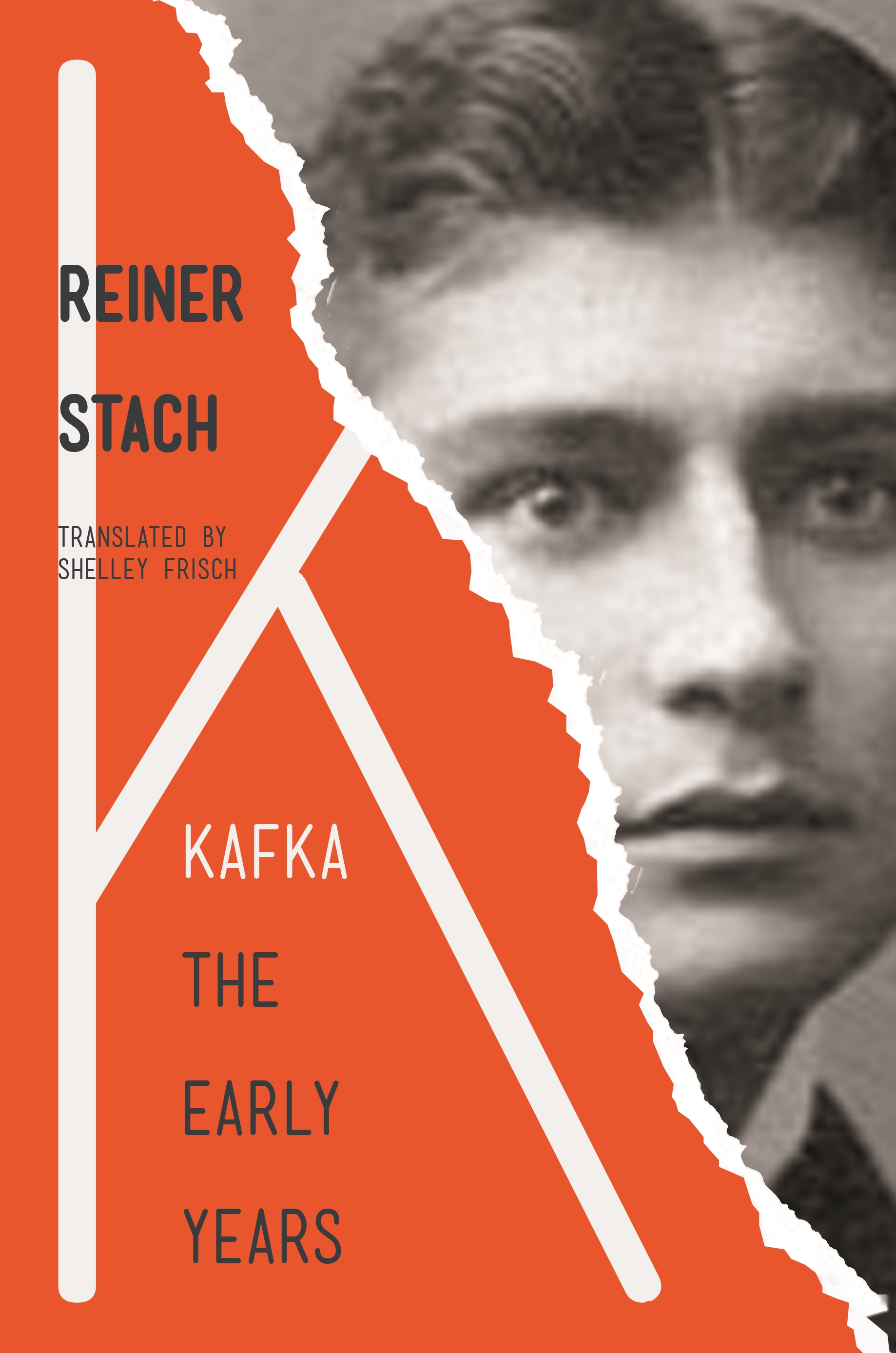
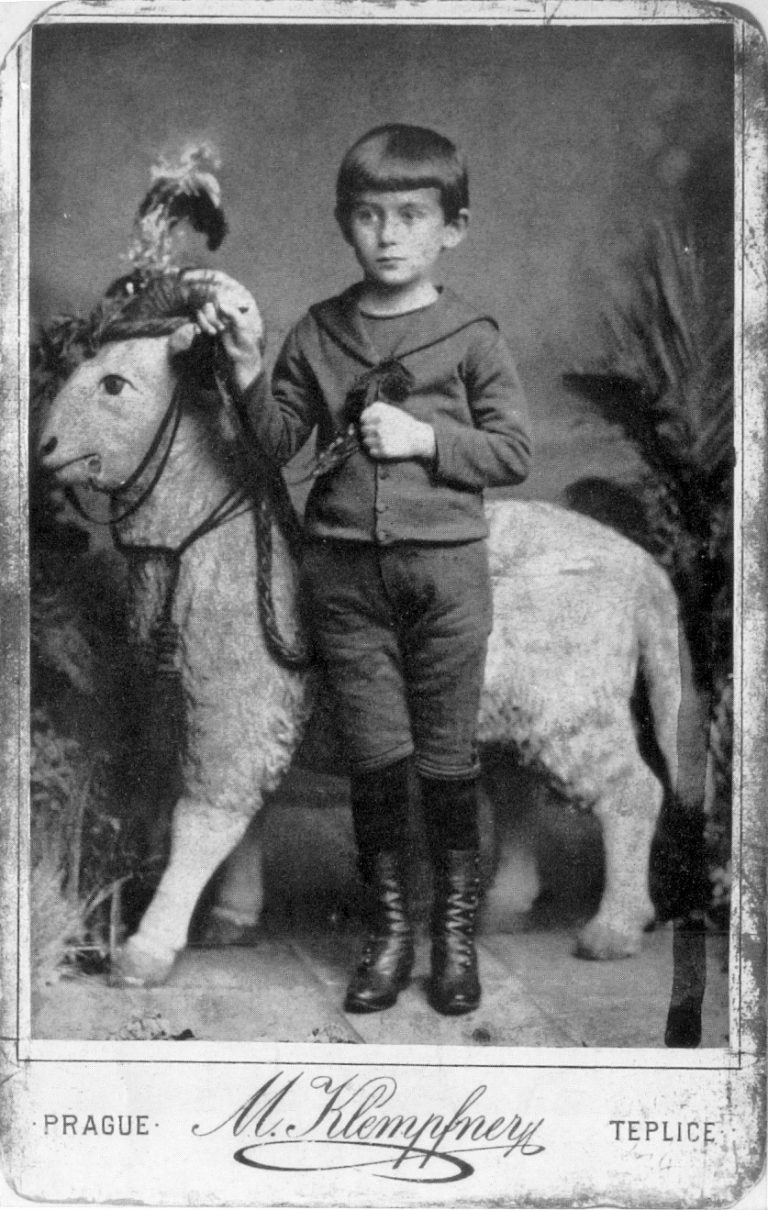
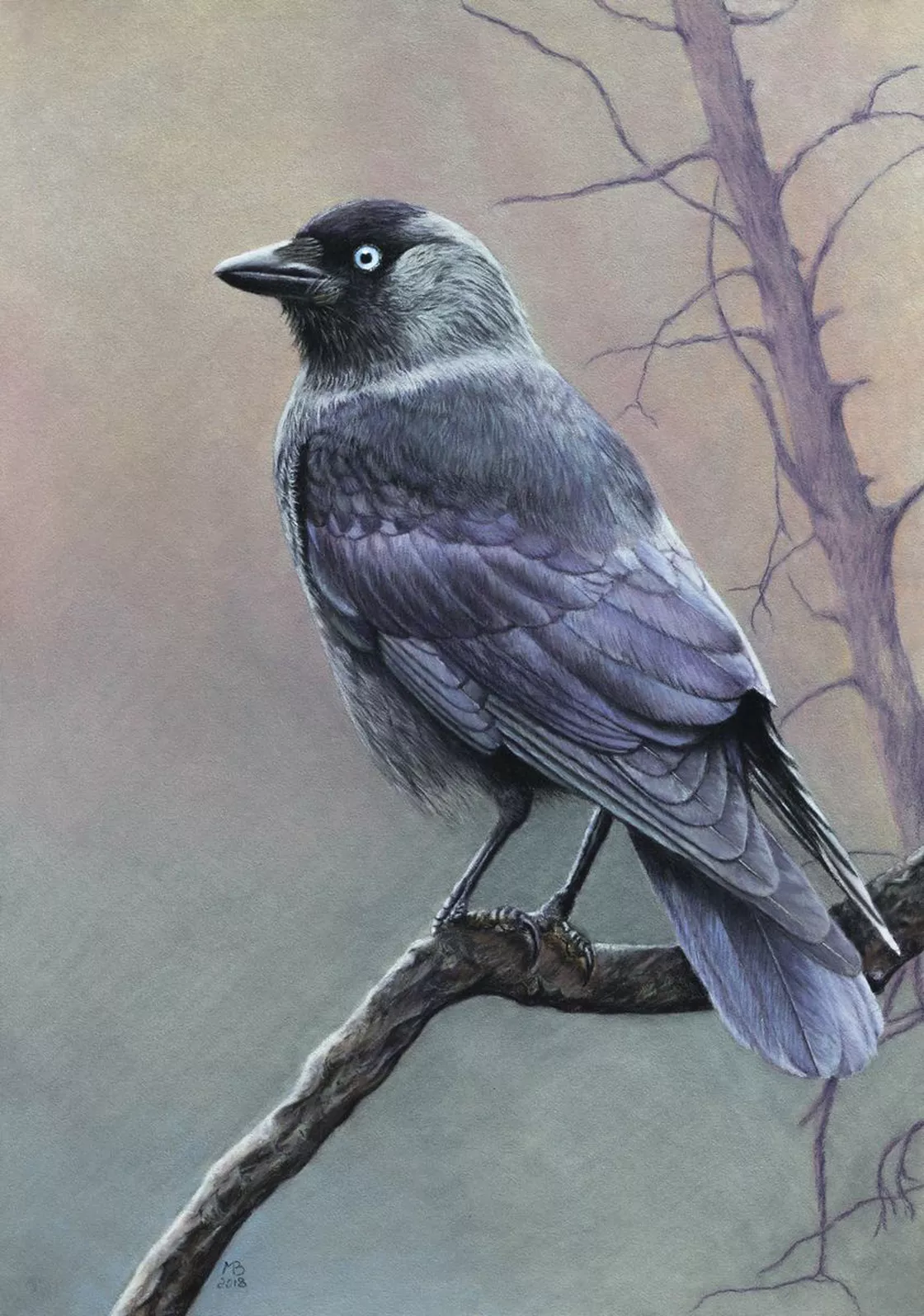
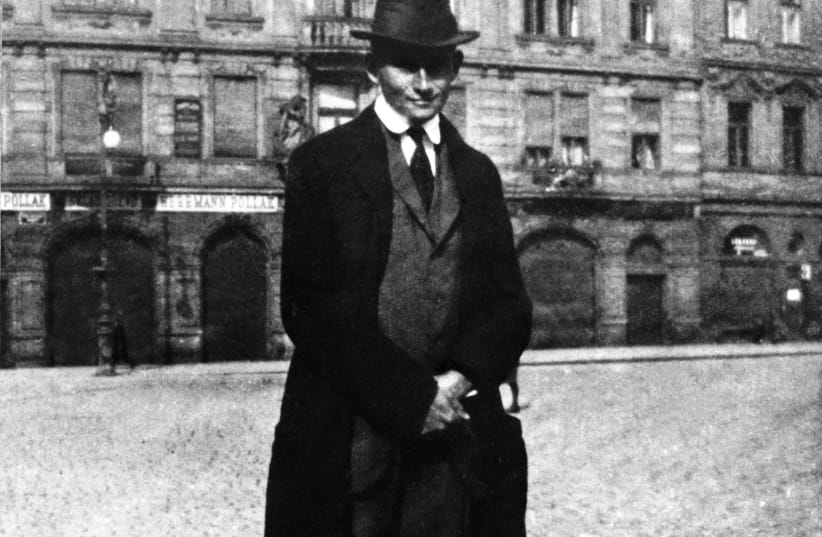
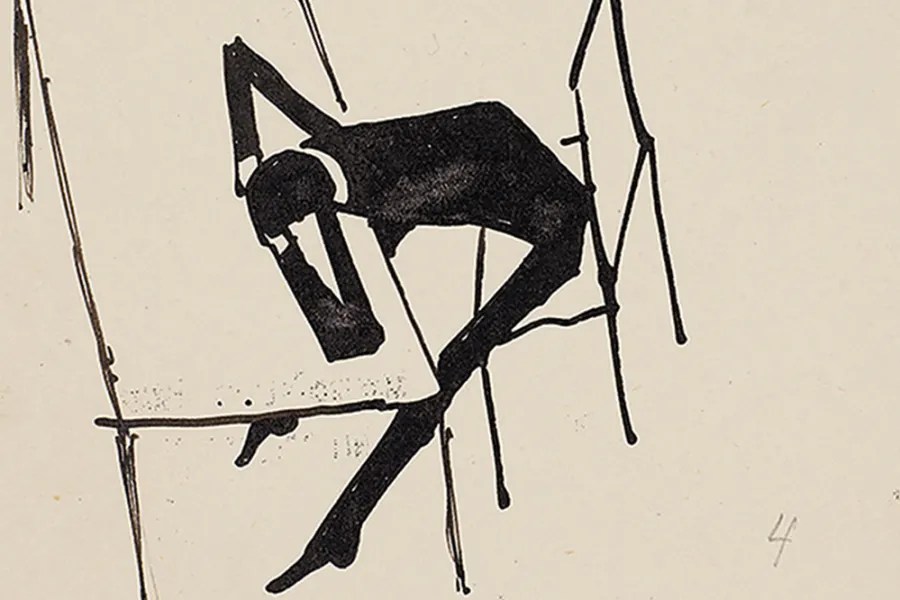
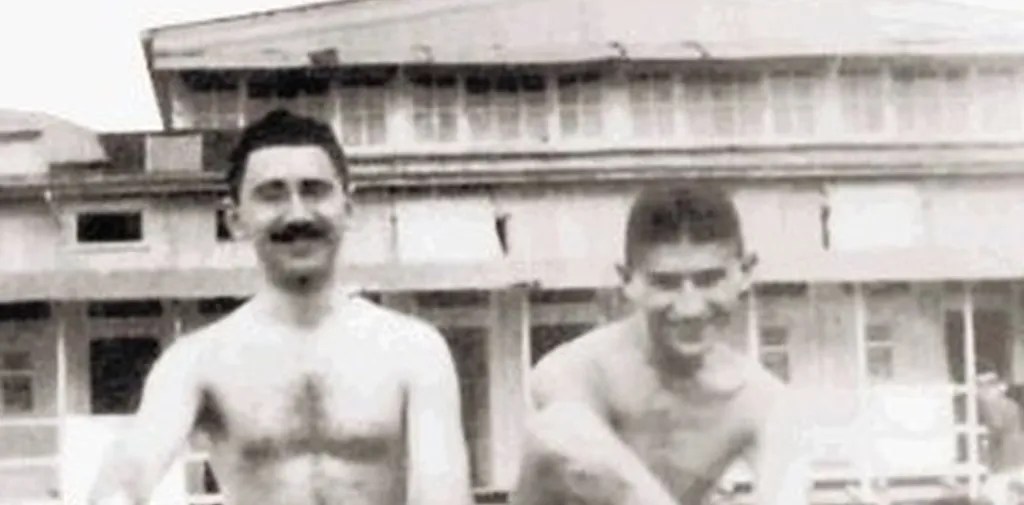
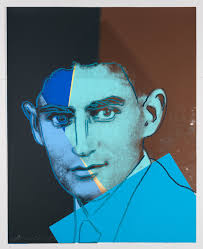
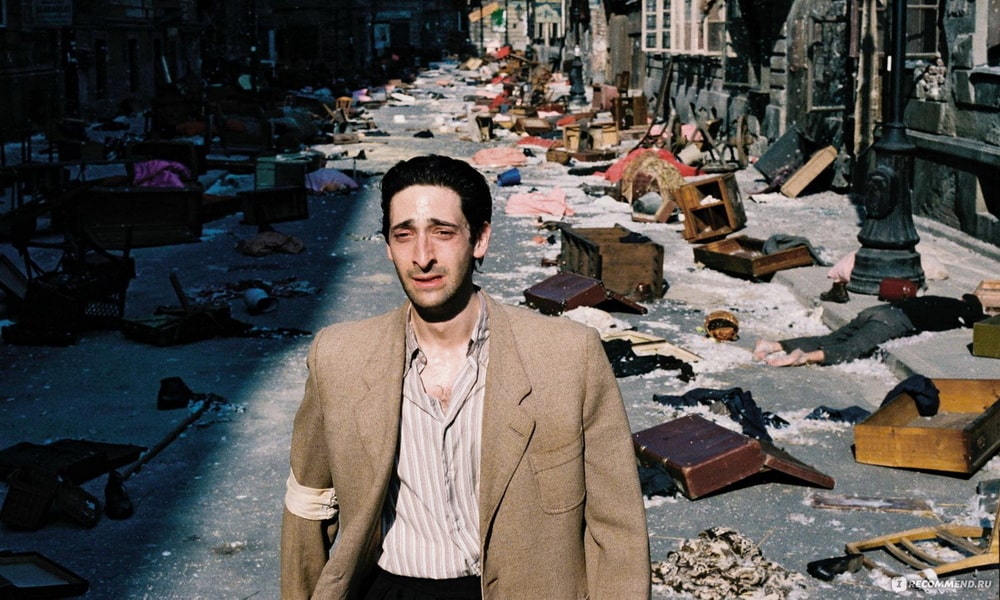
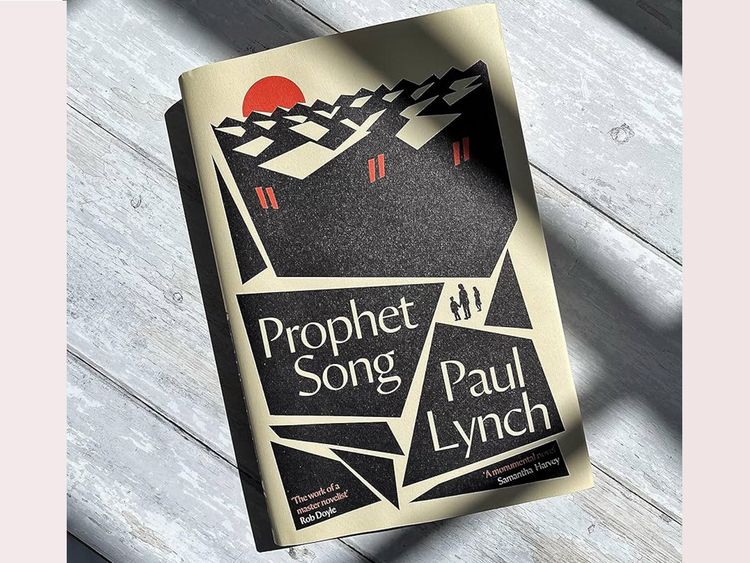
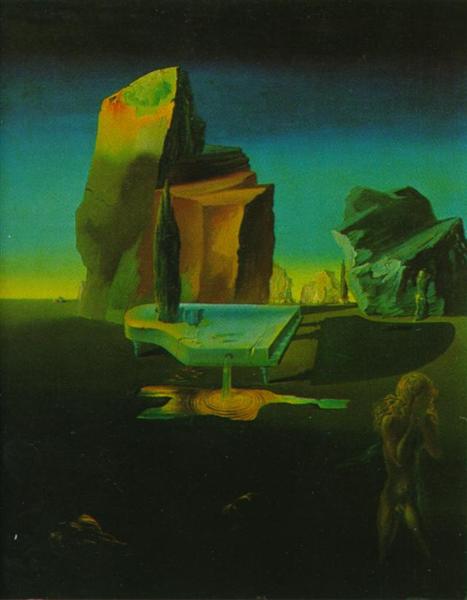
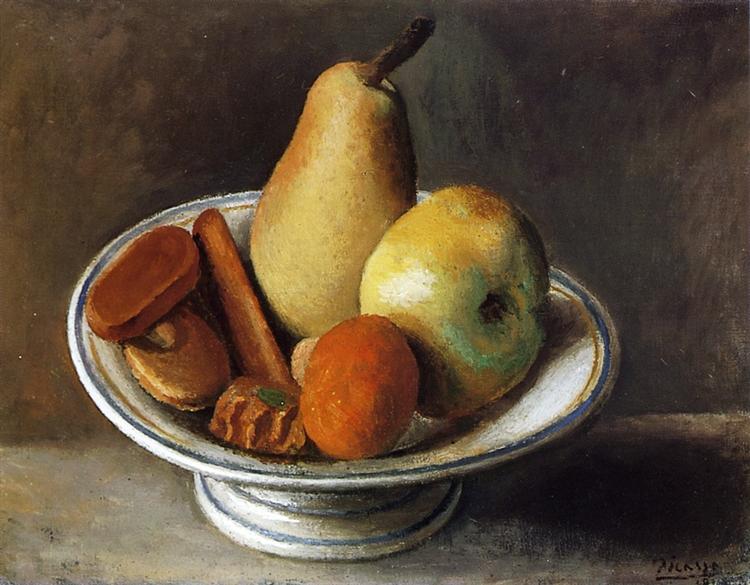
.jpg)
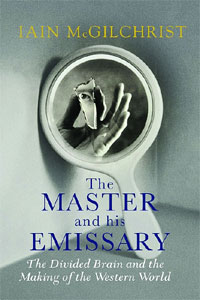
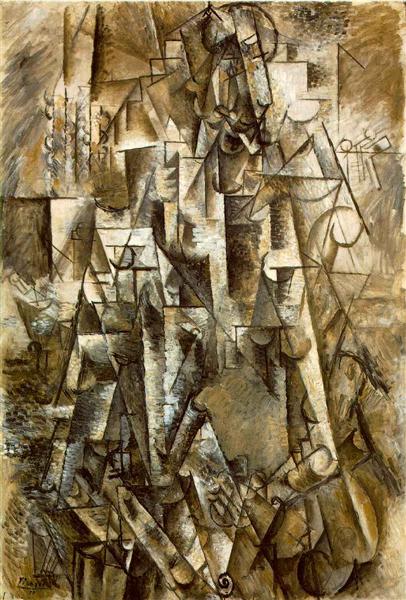
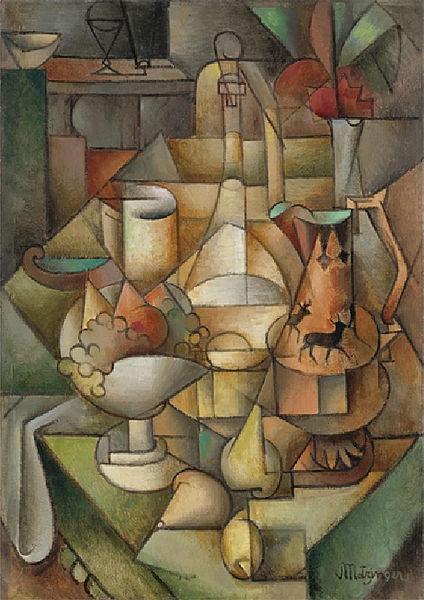
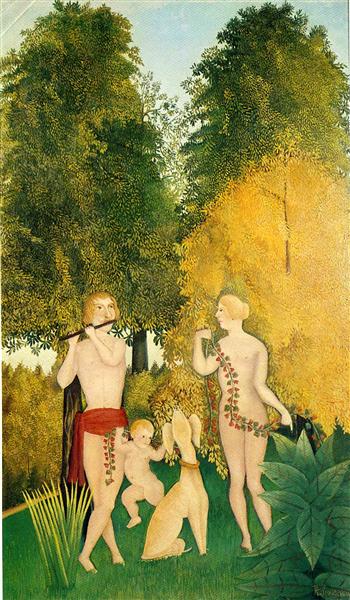
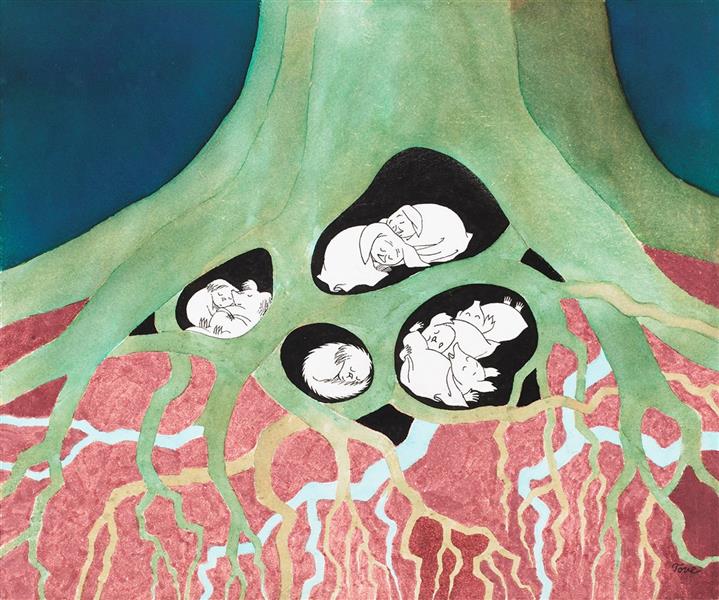
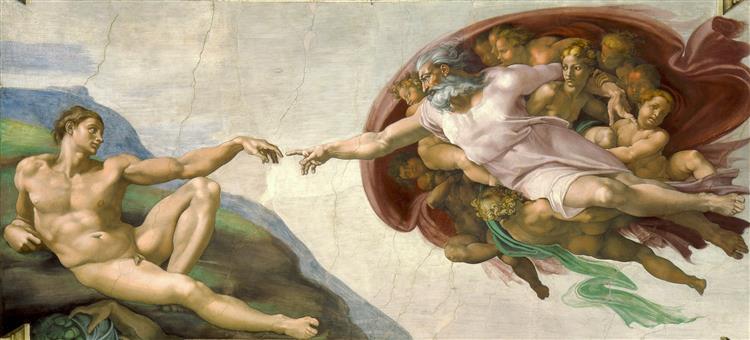

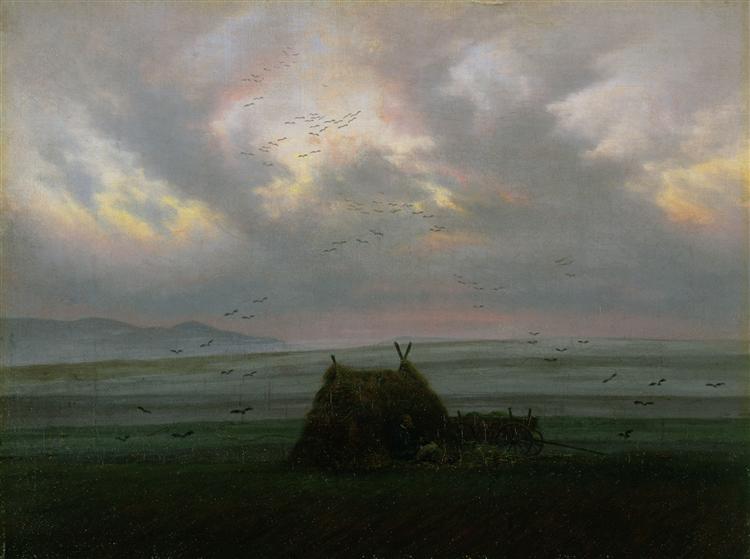
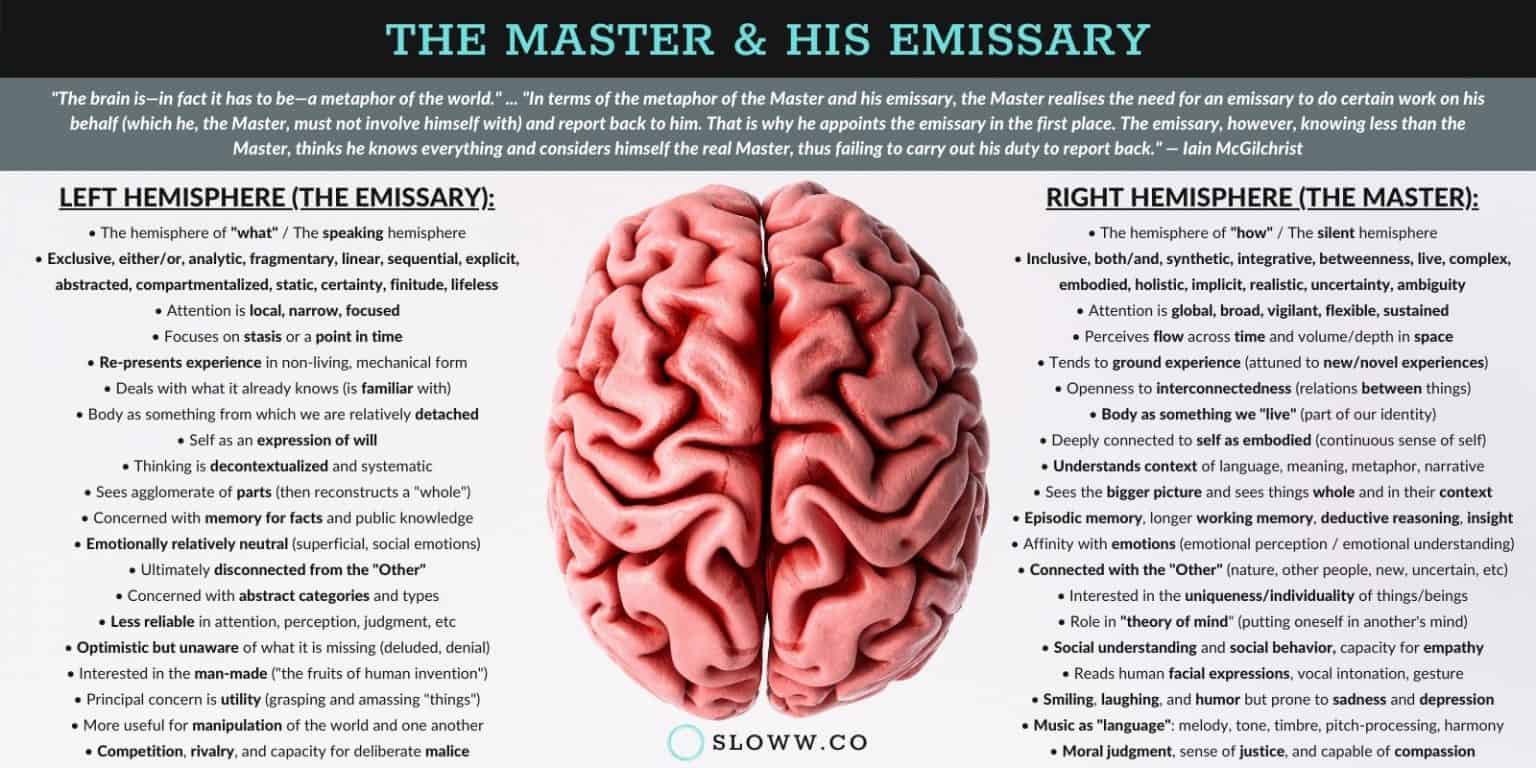
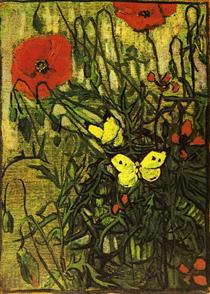
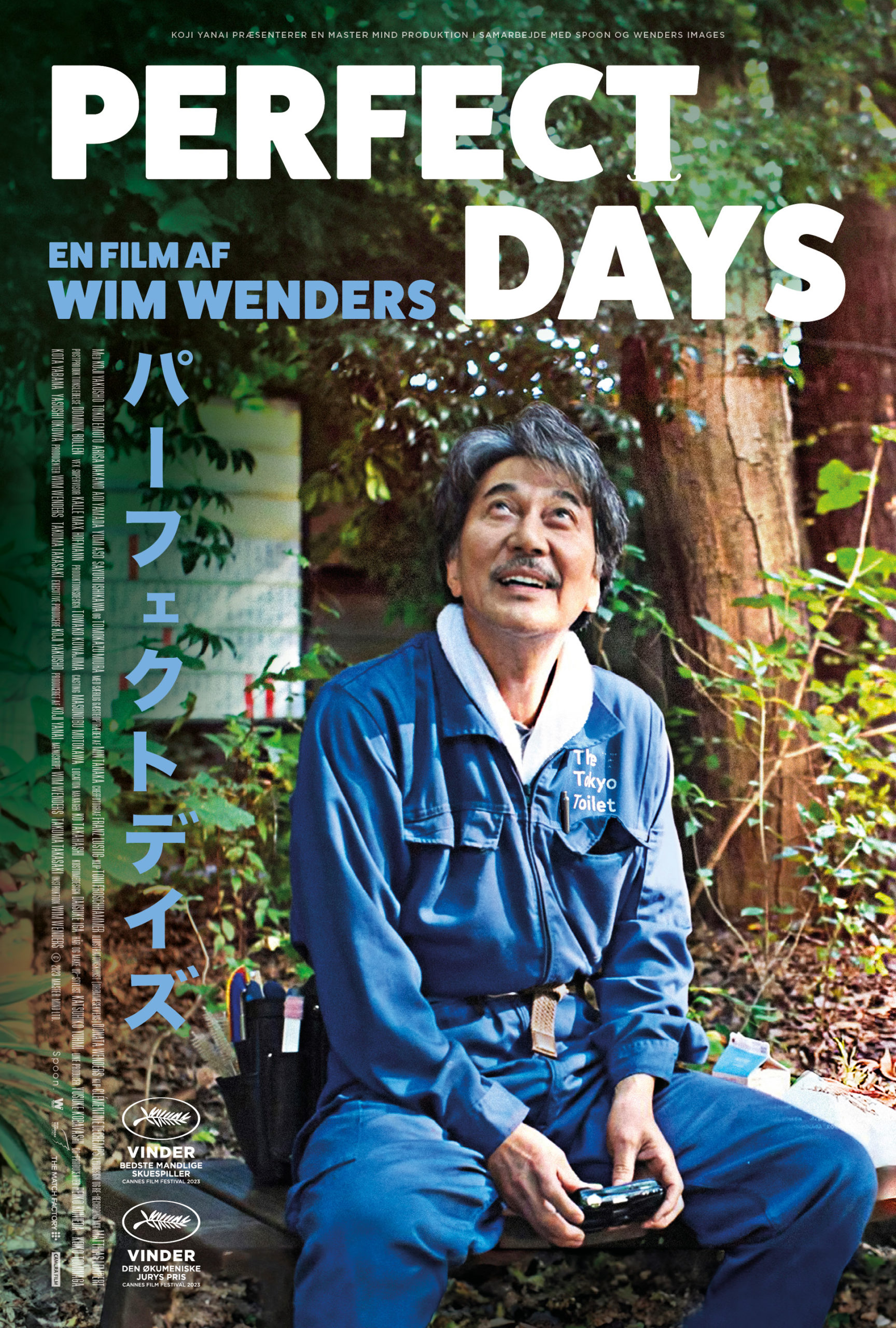
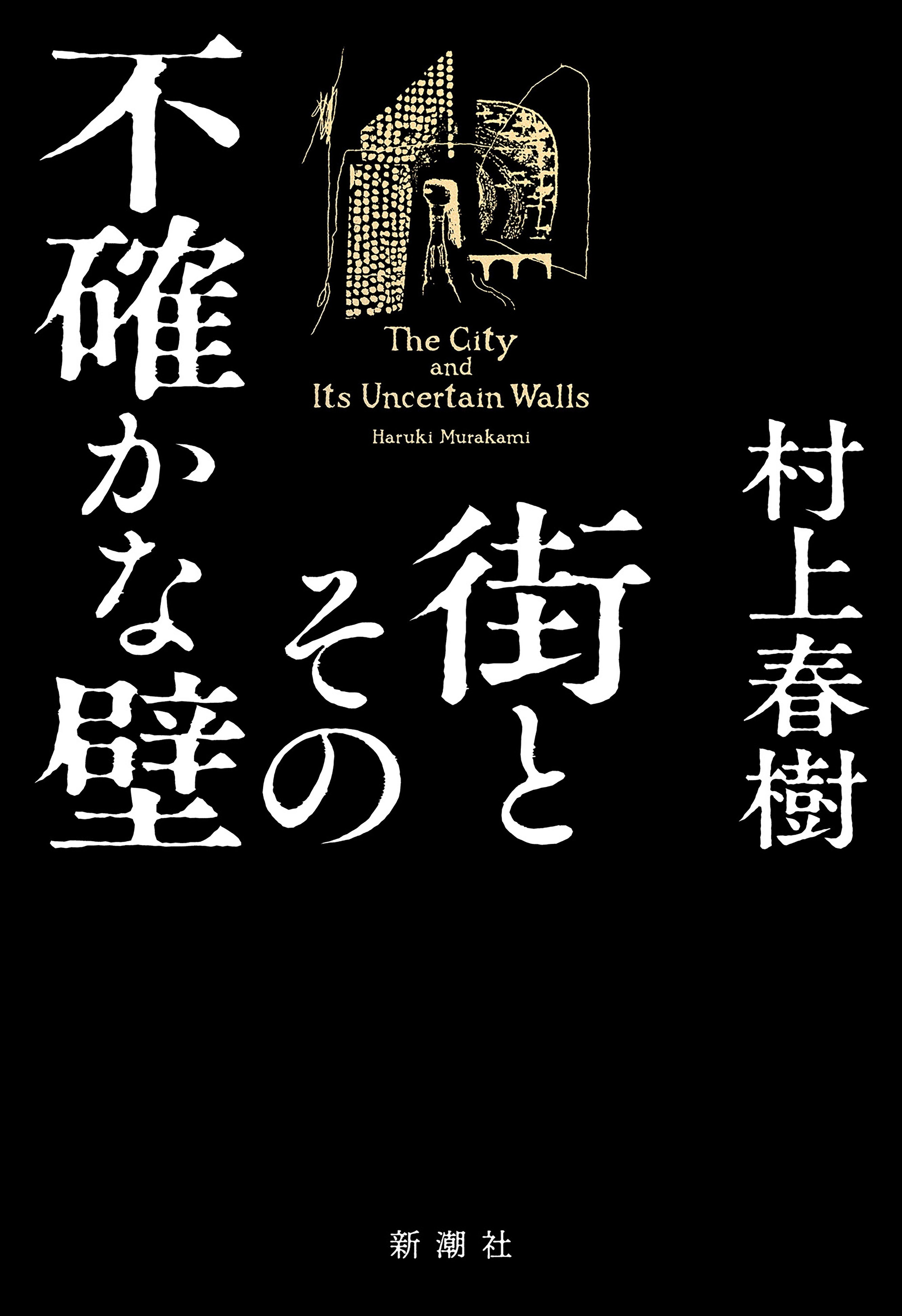
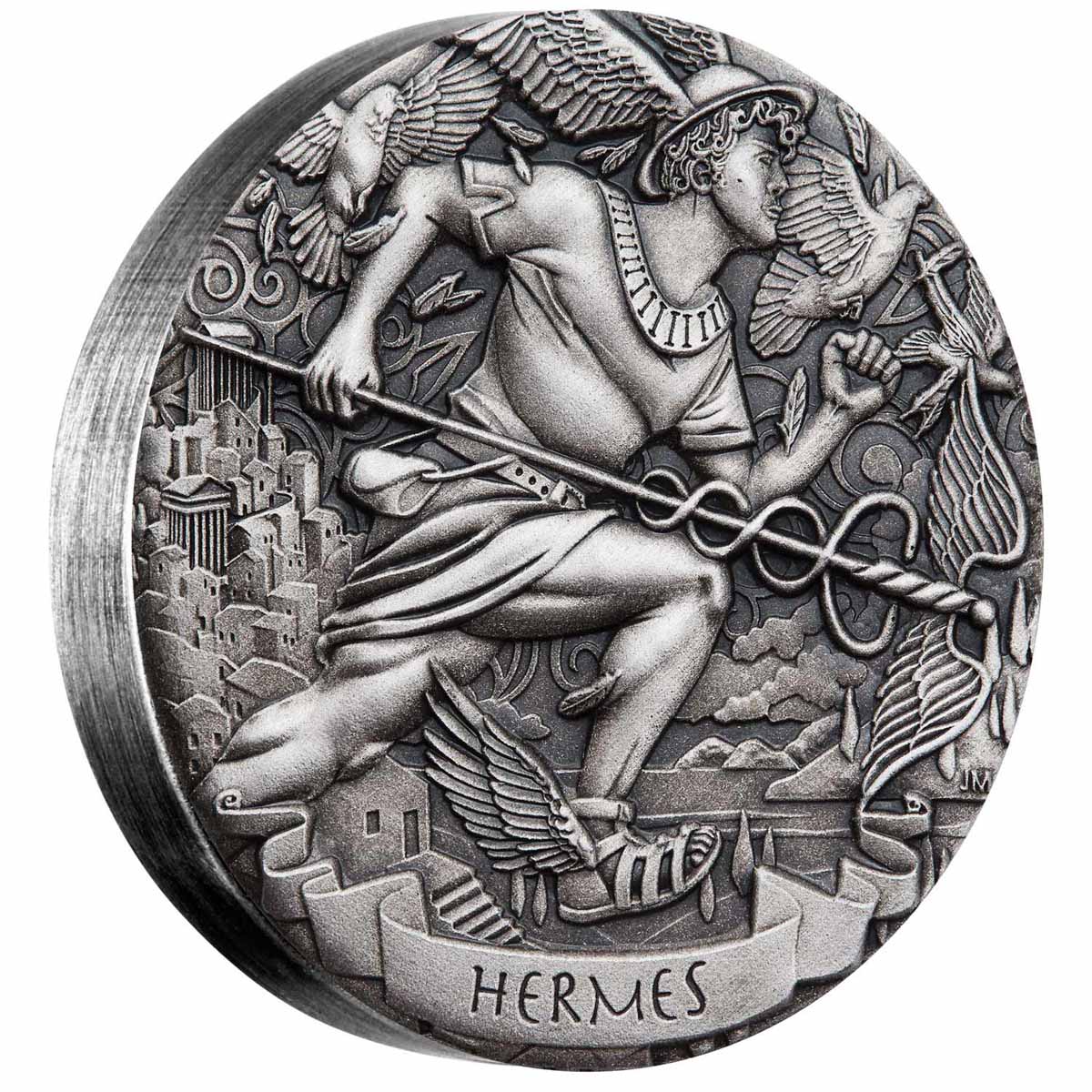


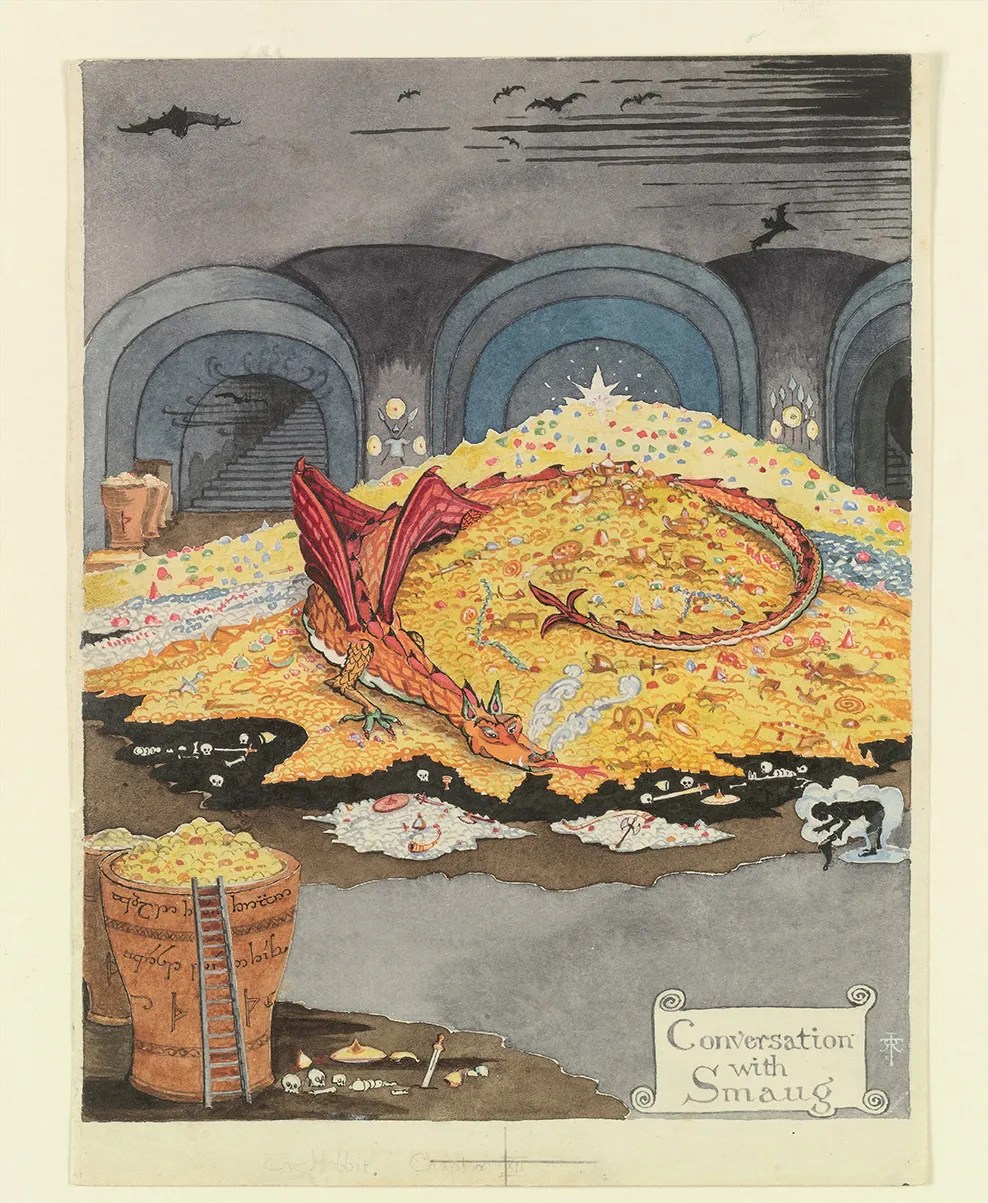


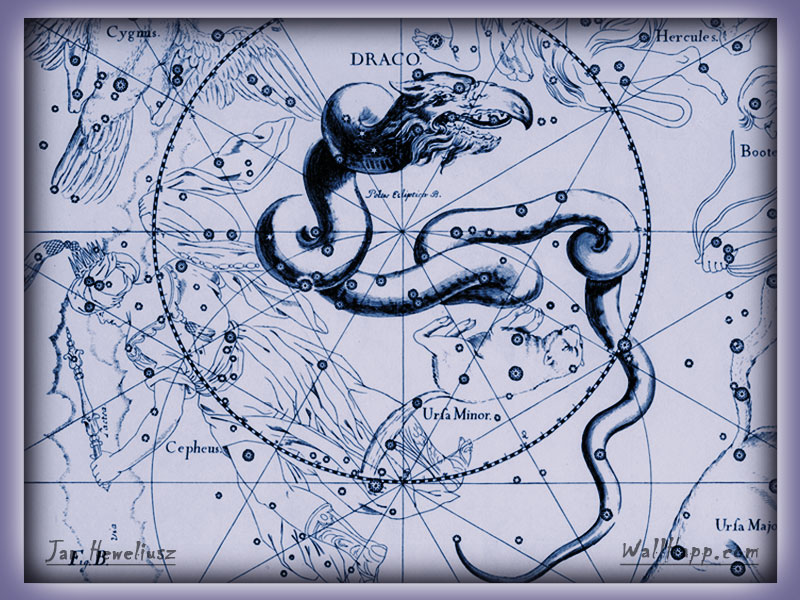
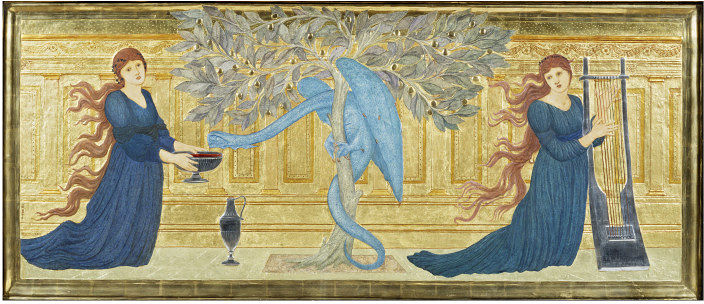


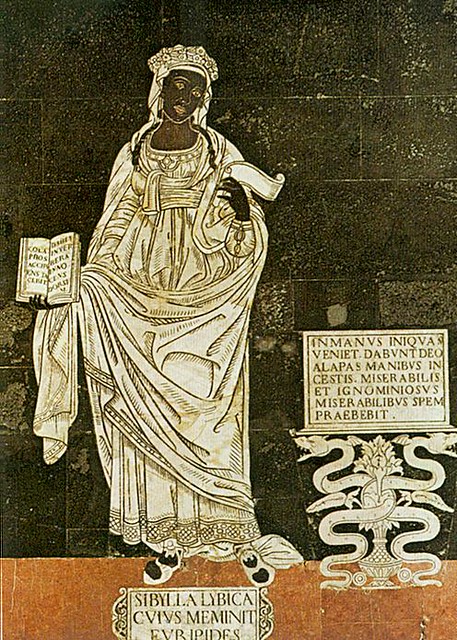


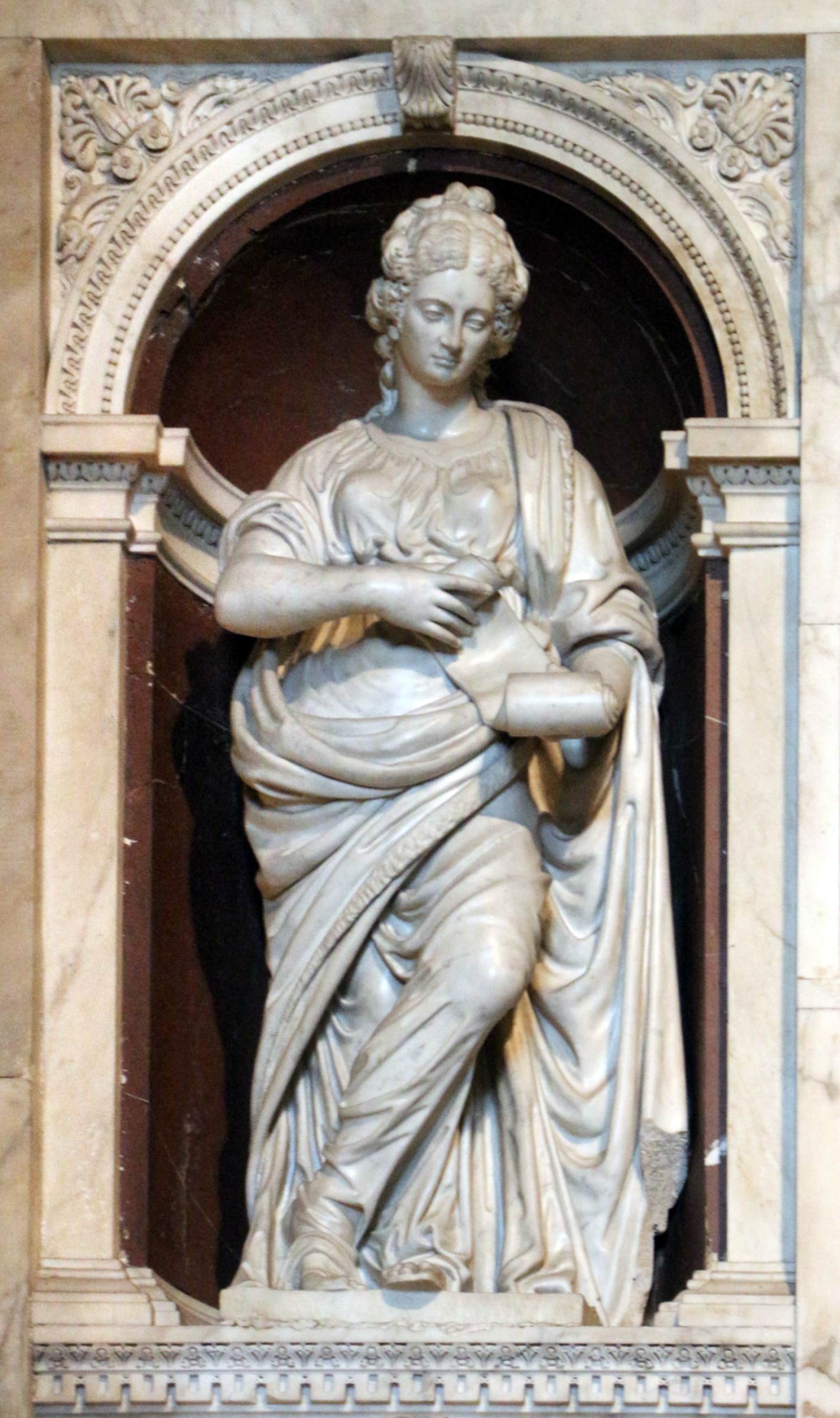
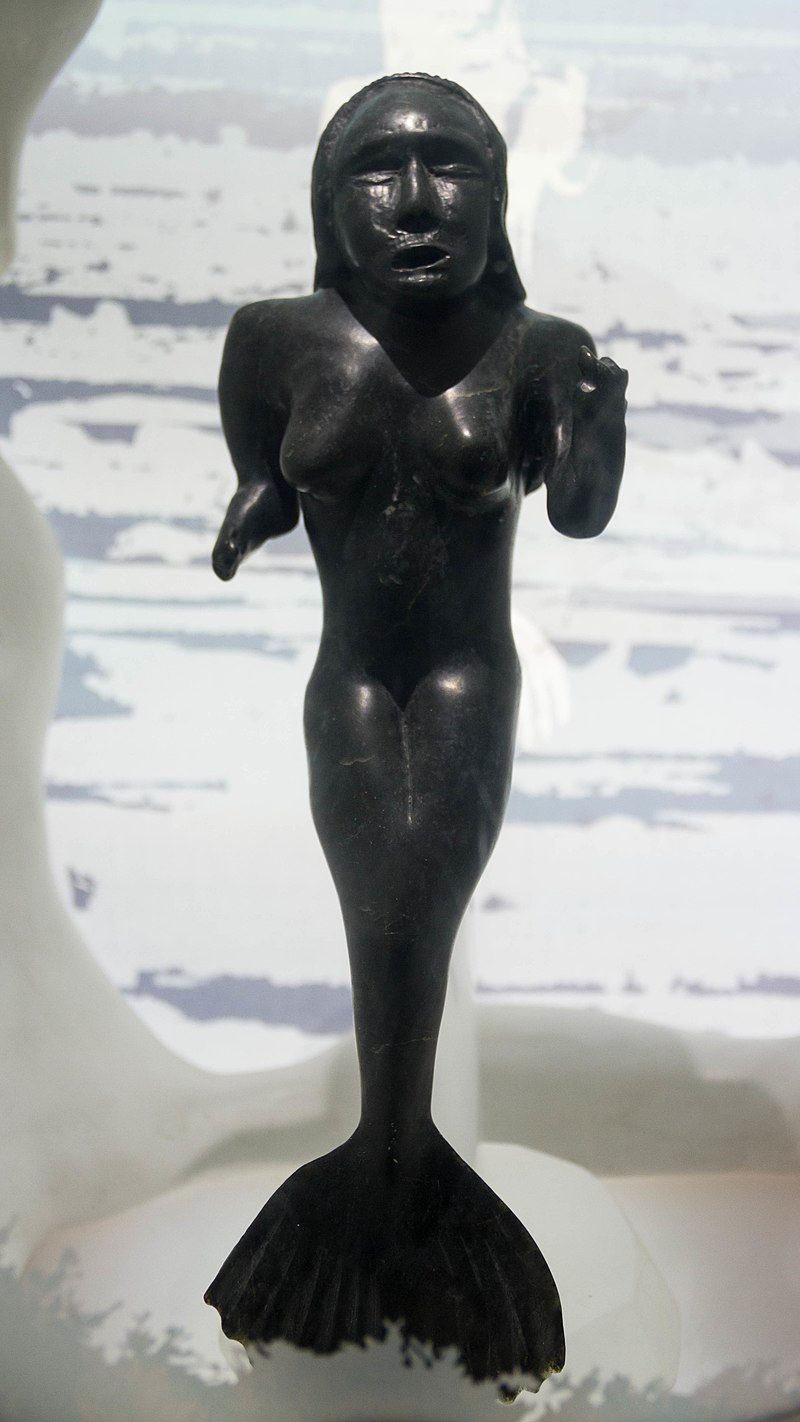


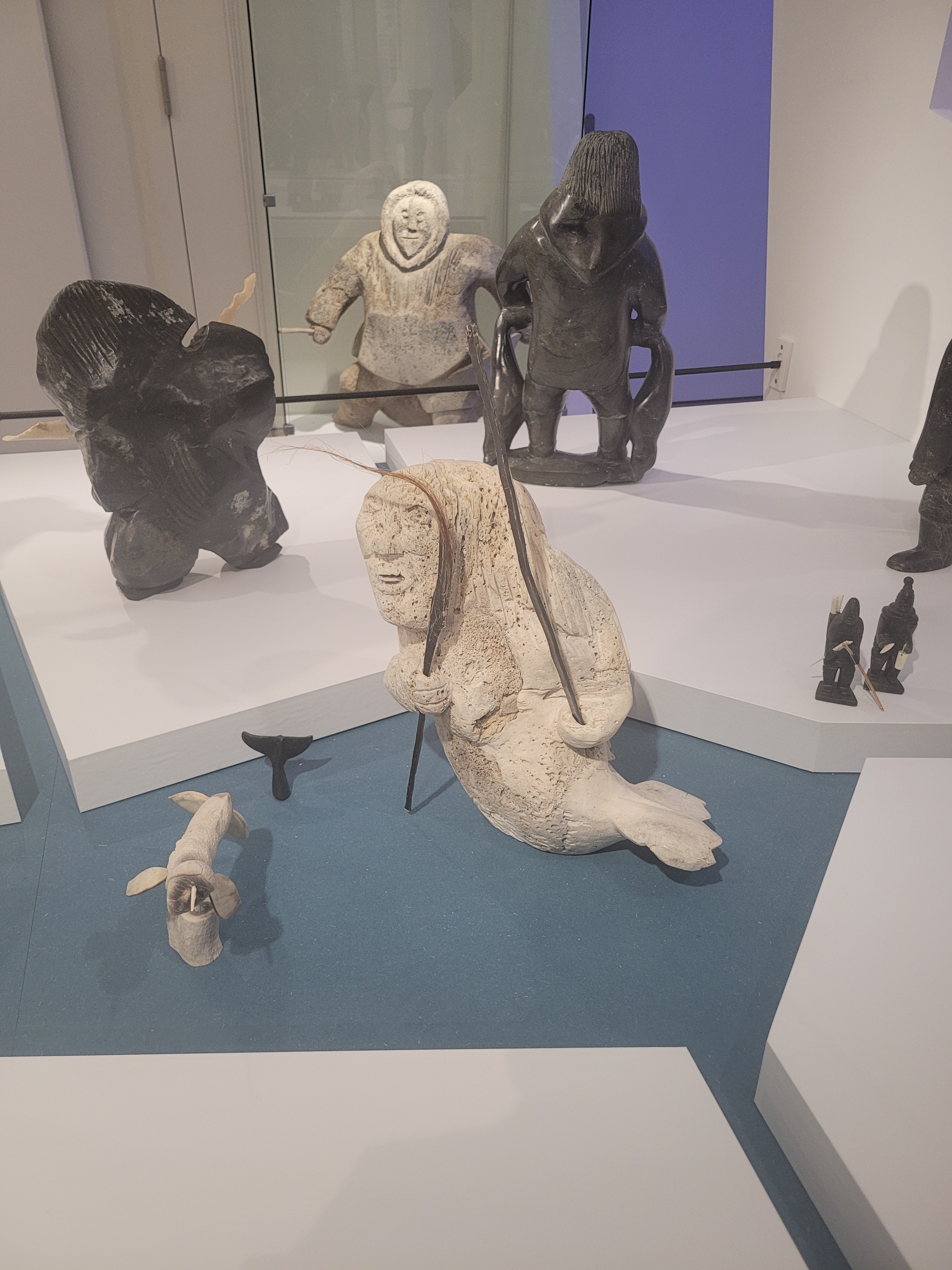

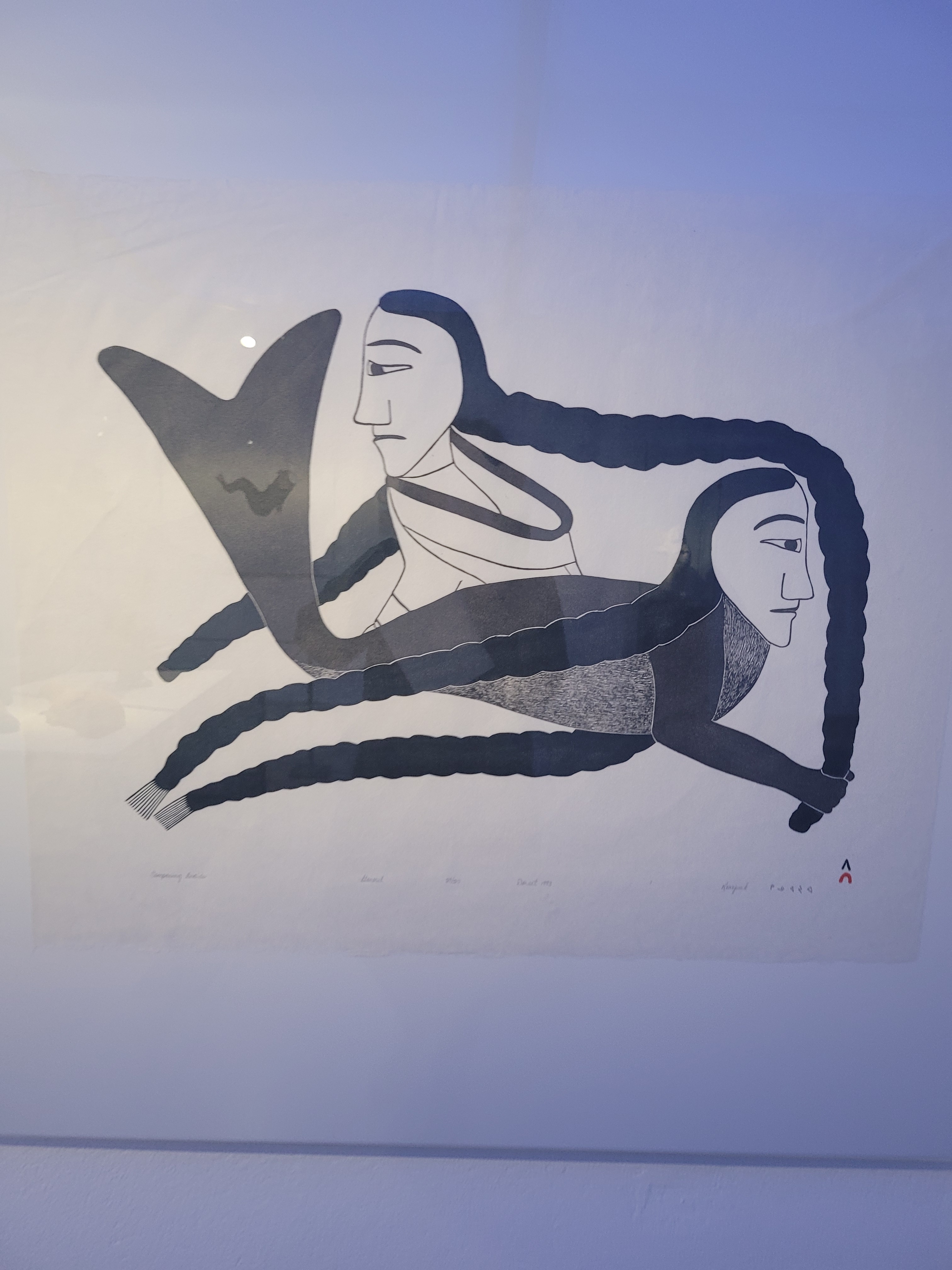
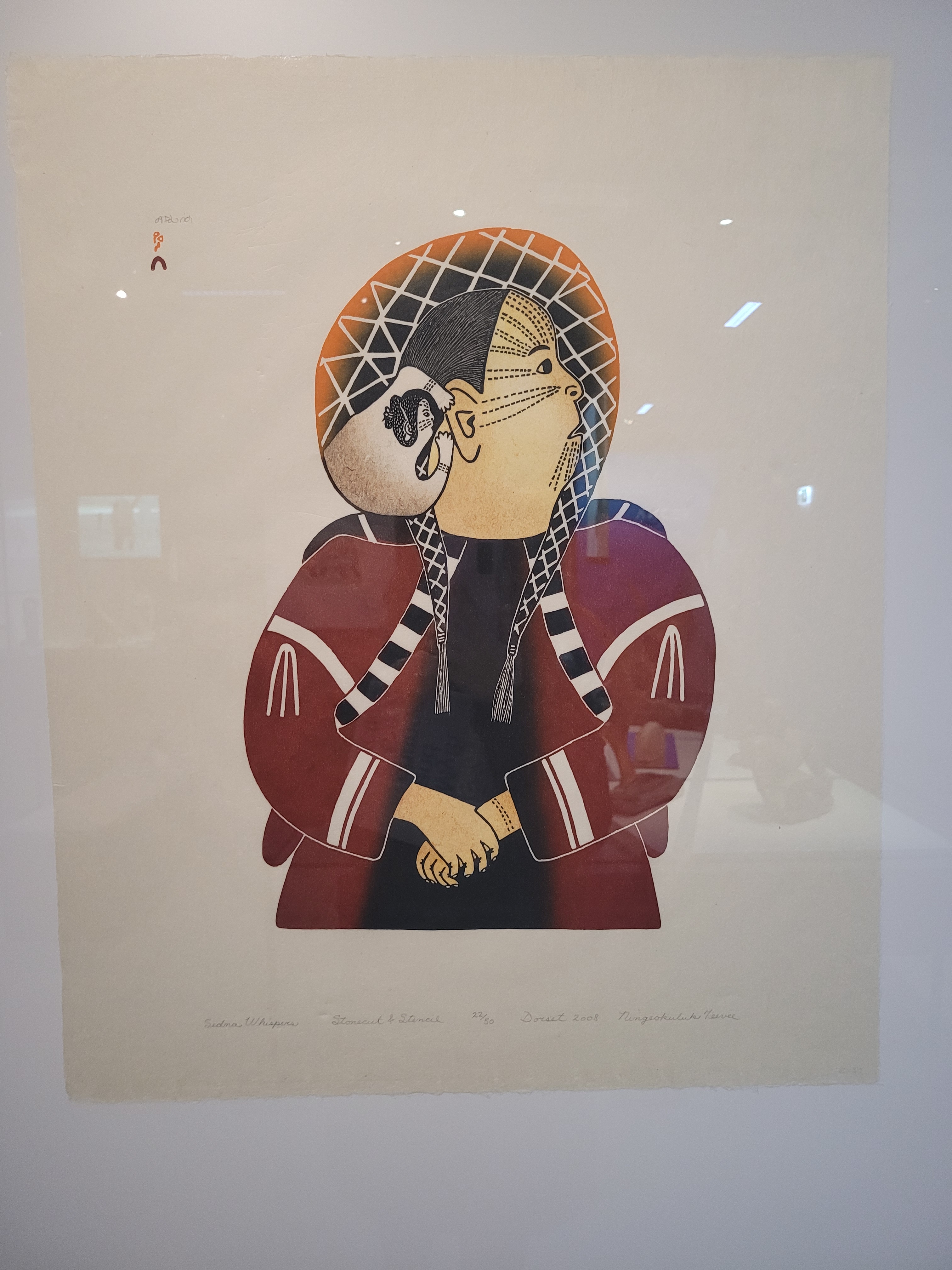
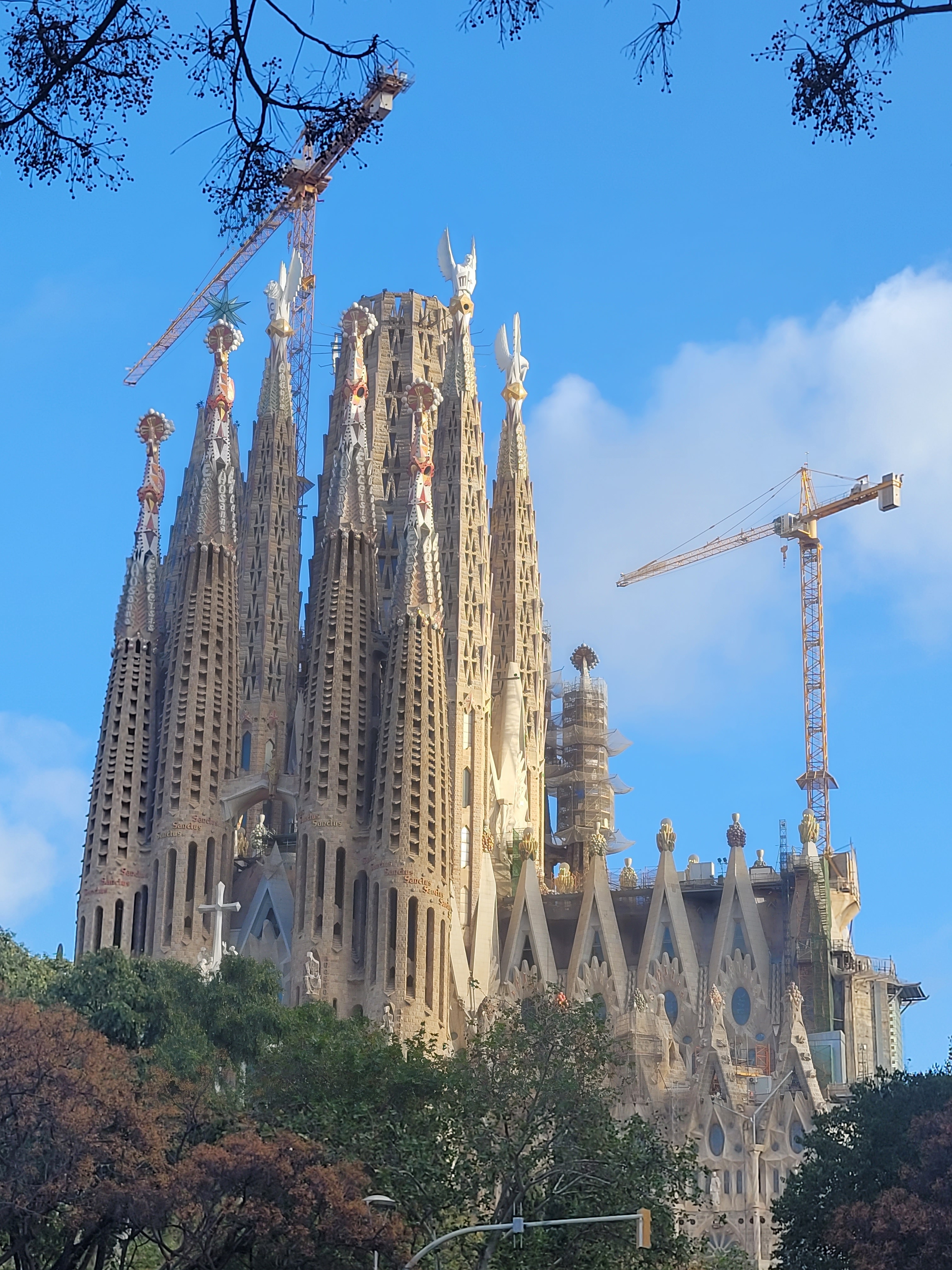


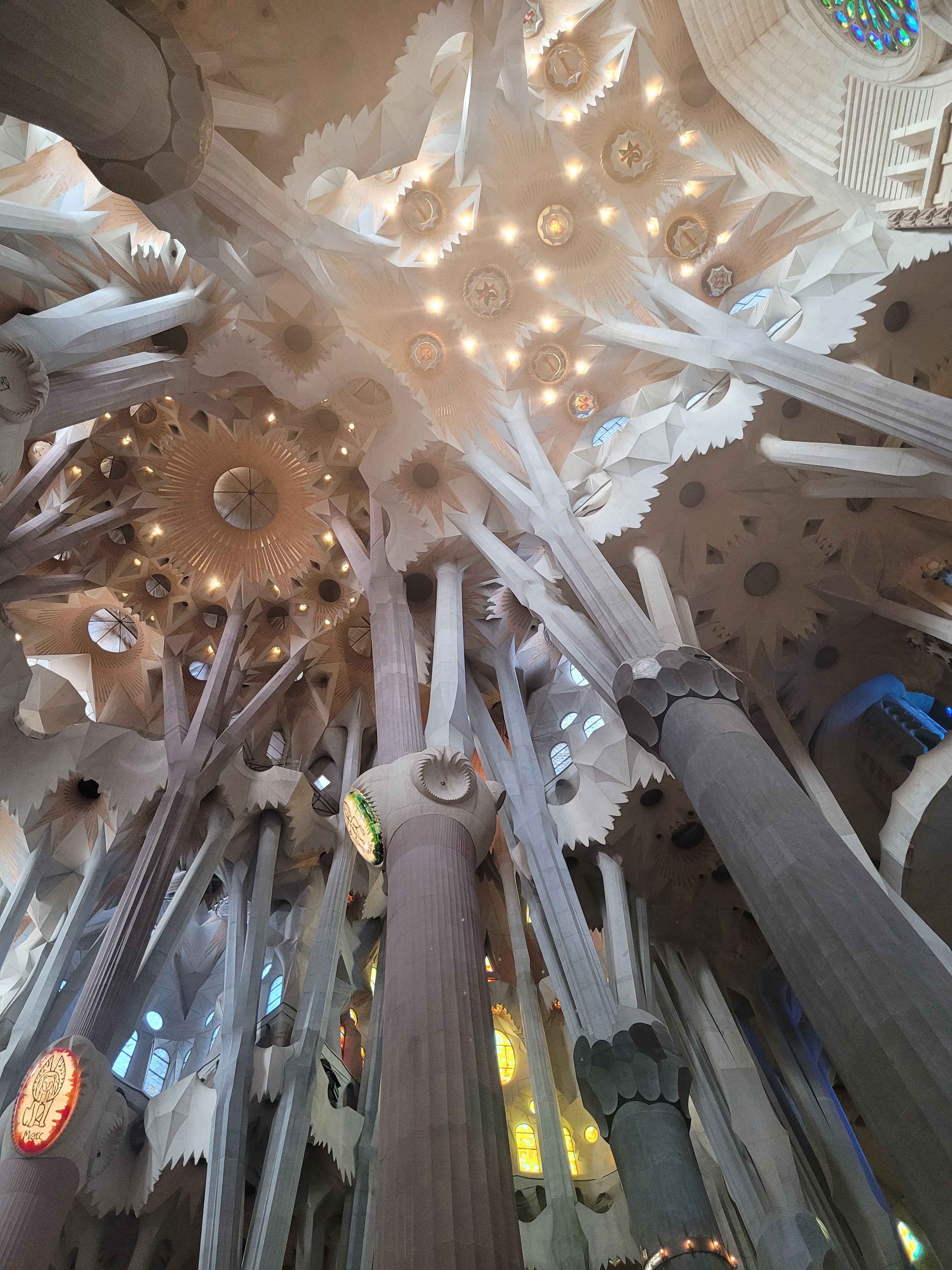

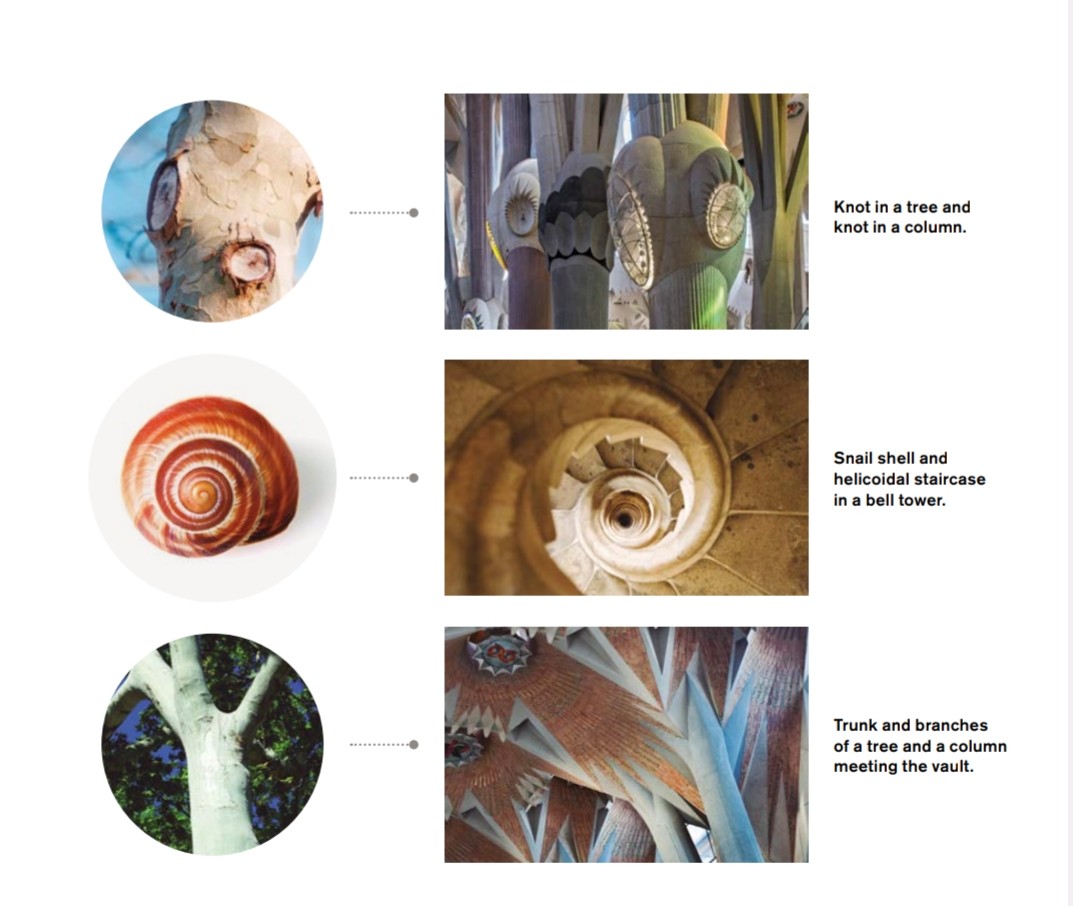
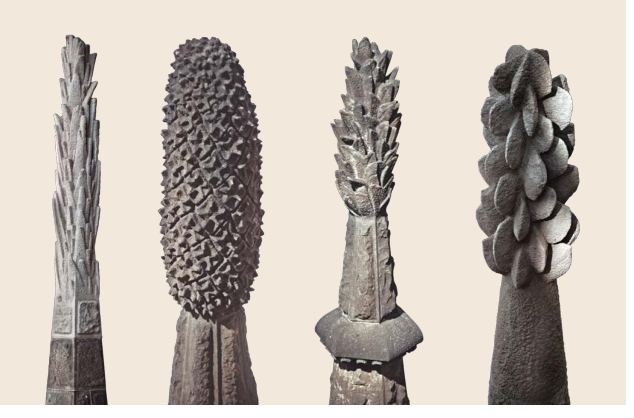





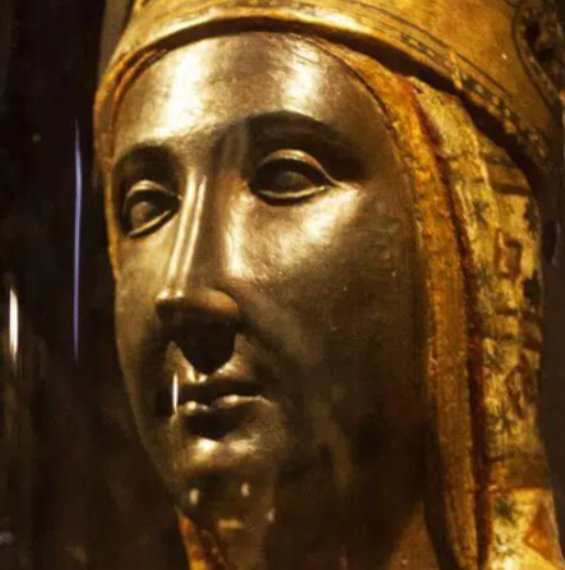
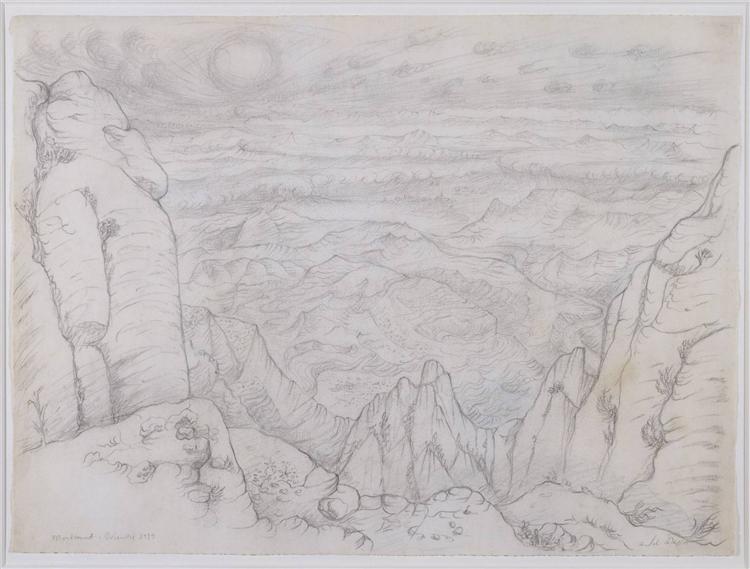
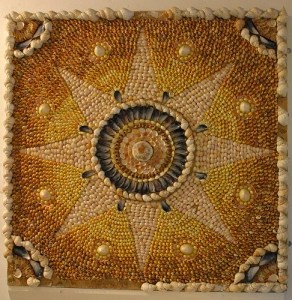
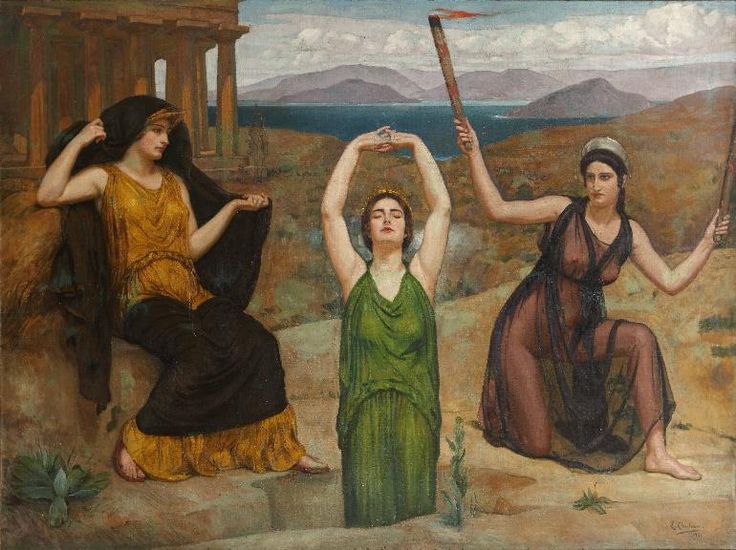

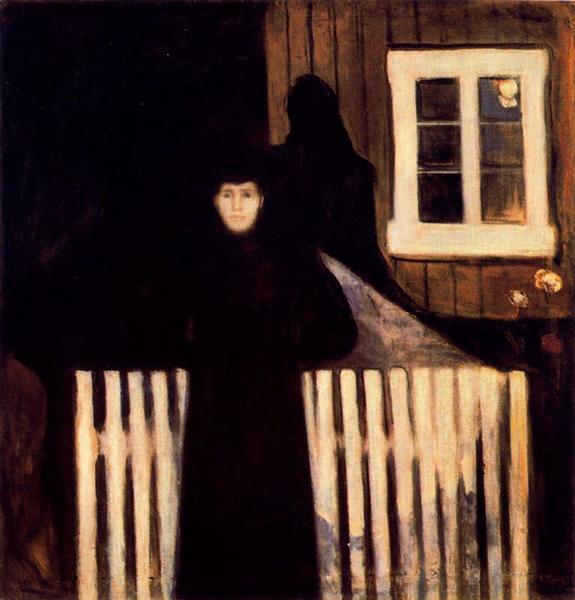
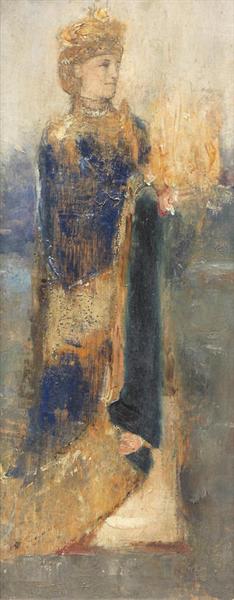
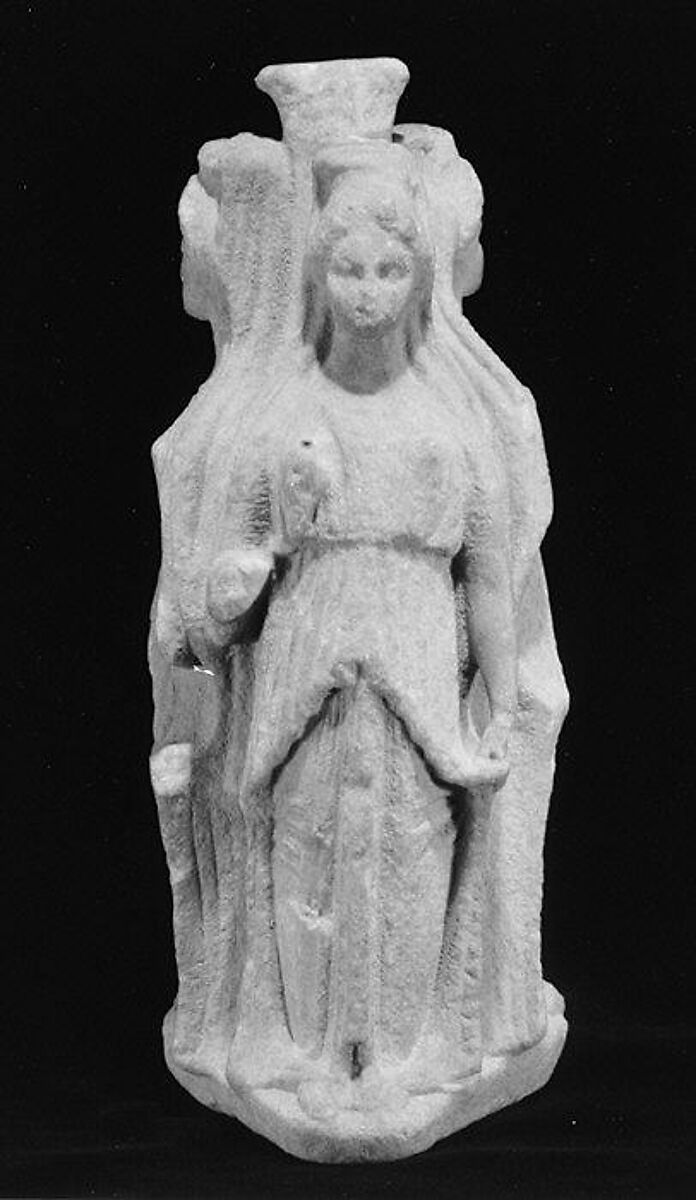

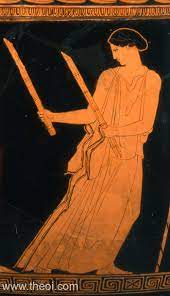

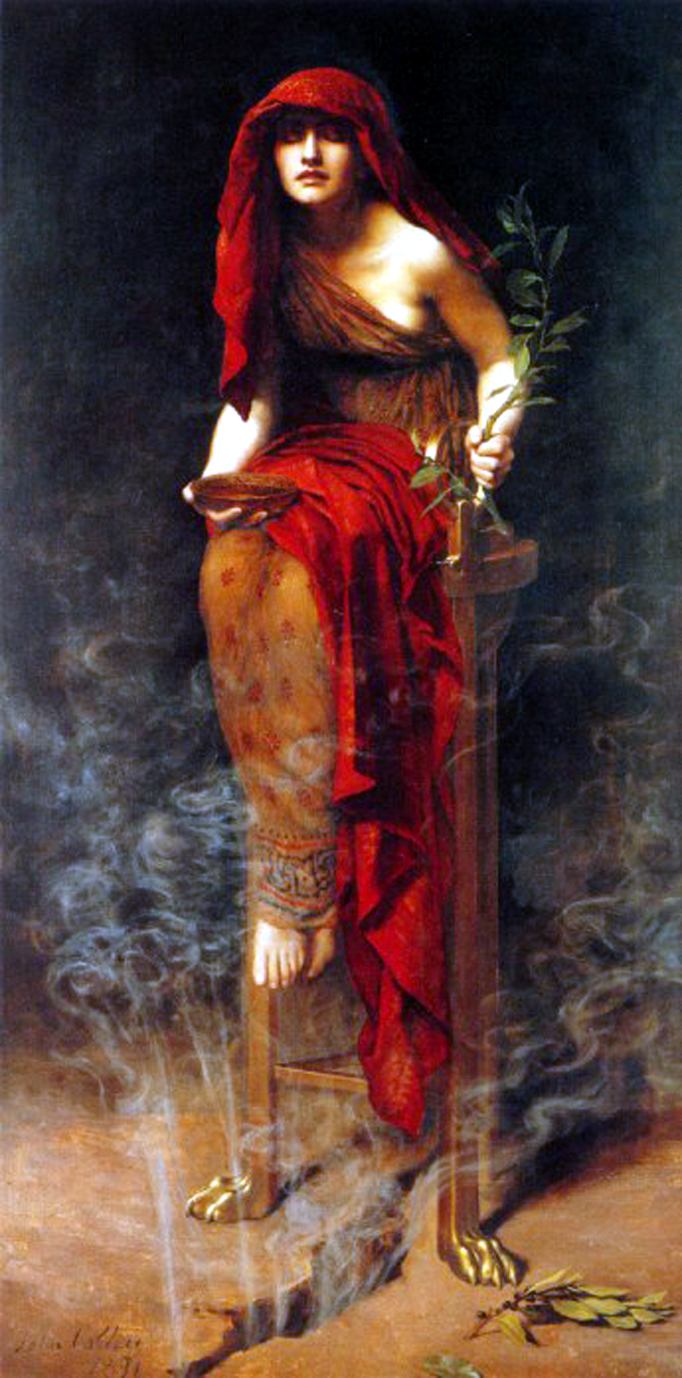


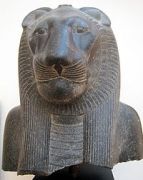
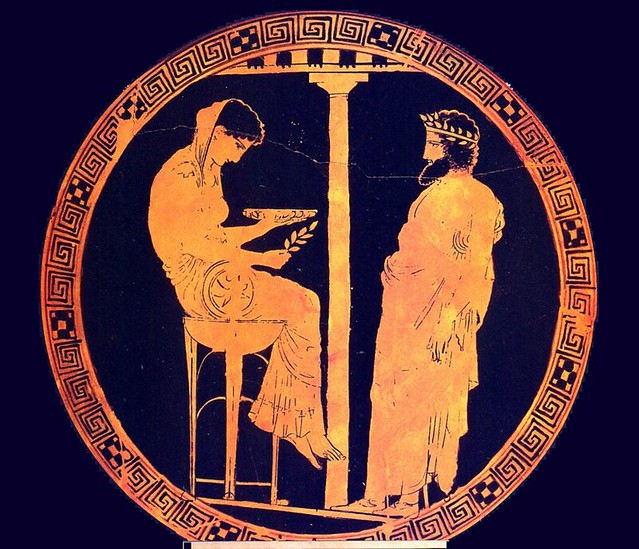


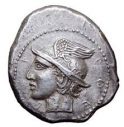
 symbolreader