Tintoretto, “Christ before Pilate”
The dialogue between Jesus and Pilate from the Gospel of John (18:28) is one of the most profound exchanges regarding Truth:
“Therefore Pilate … summoned Jesus and said to Him, … ‘So You are a king?’ Jesus answered, ‘You say correctly that I am a king. For this I have been born, and for this I have come into the world, to testify to the truth. Everyone who is of the truth hears My voice.’ Pilate said to Him, ‘What is truth?’”
There are times in our lives which call for standing for the truth, unwaveringly testifying to it with all the awareness of the consequences or sacrifices which are called for. This is the path Jesus chose. This is also the path most prone to sick distortions of fanaticism. On the other hand, what Pilate seems to be imparting to us is that Truth is not fixed or defined eternally: it shifts because it is always relative; it calls for periodic rebirths and renewals. The question “What is truth?” should be asked repeatedly and vigilantly at every single moment of our existence.
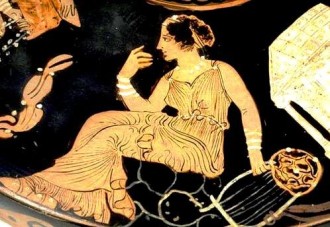
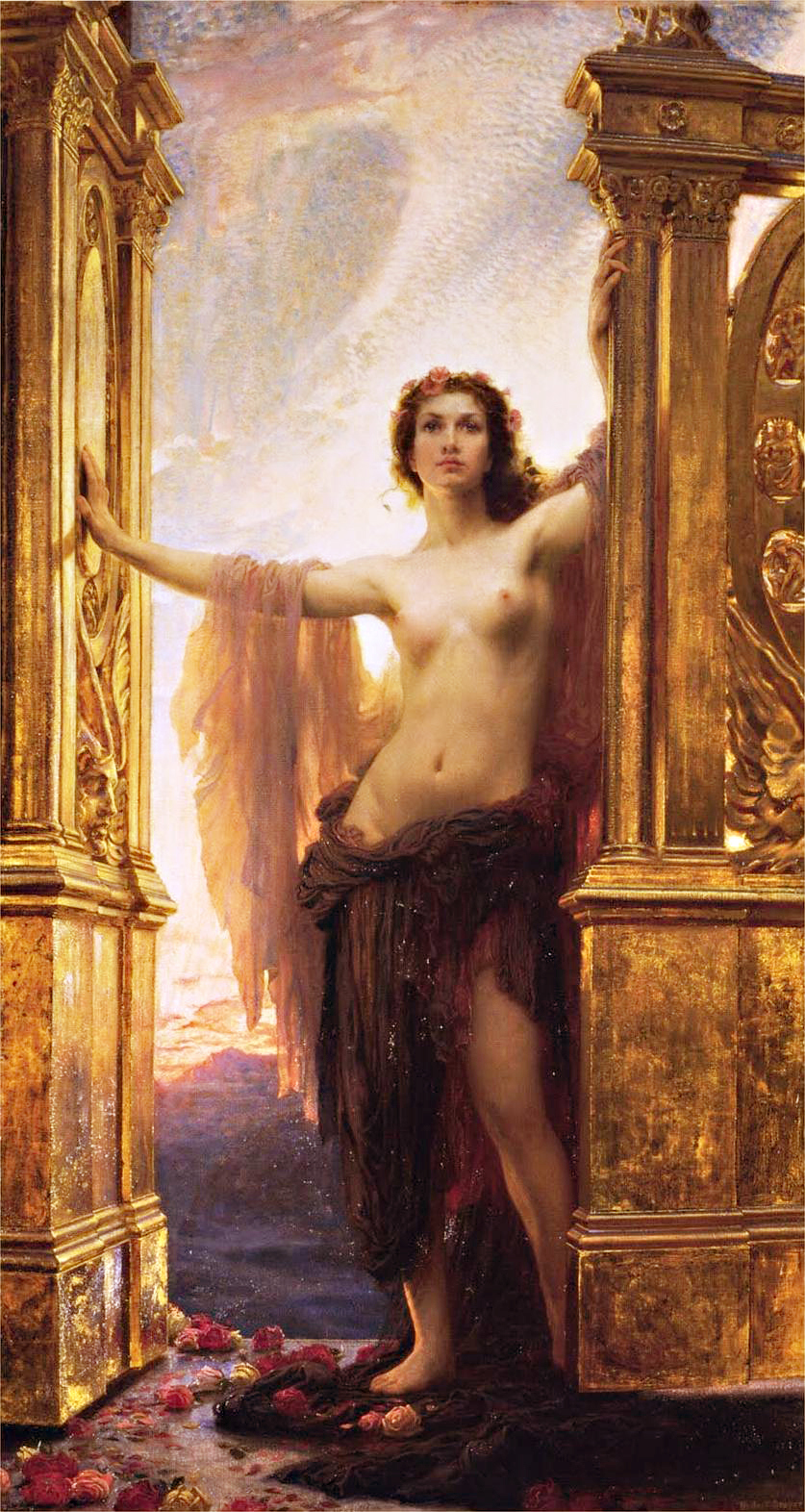
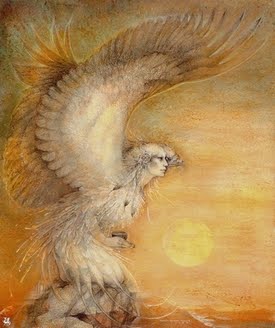
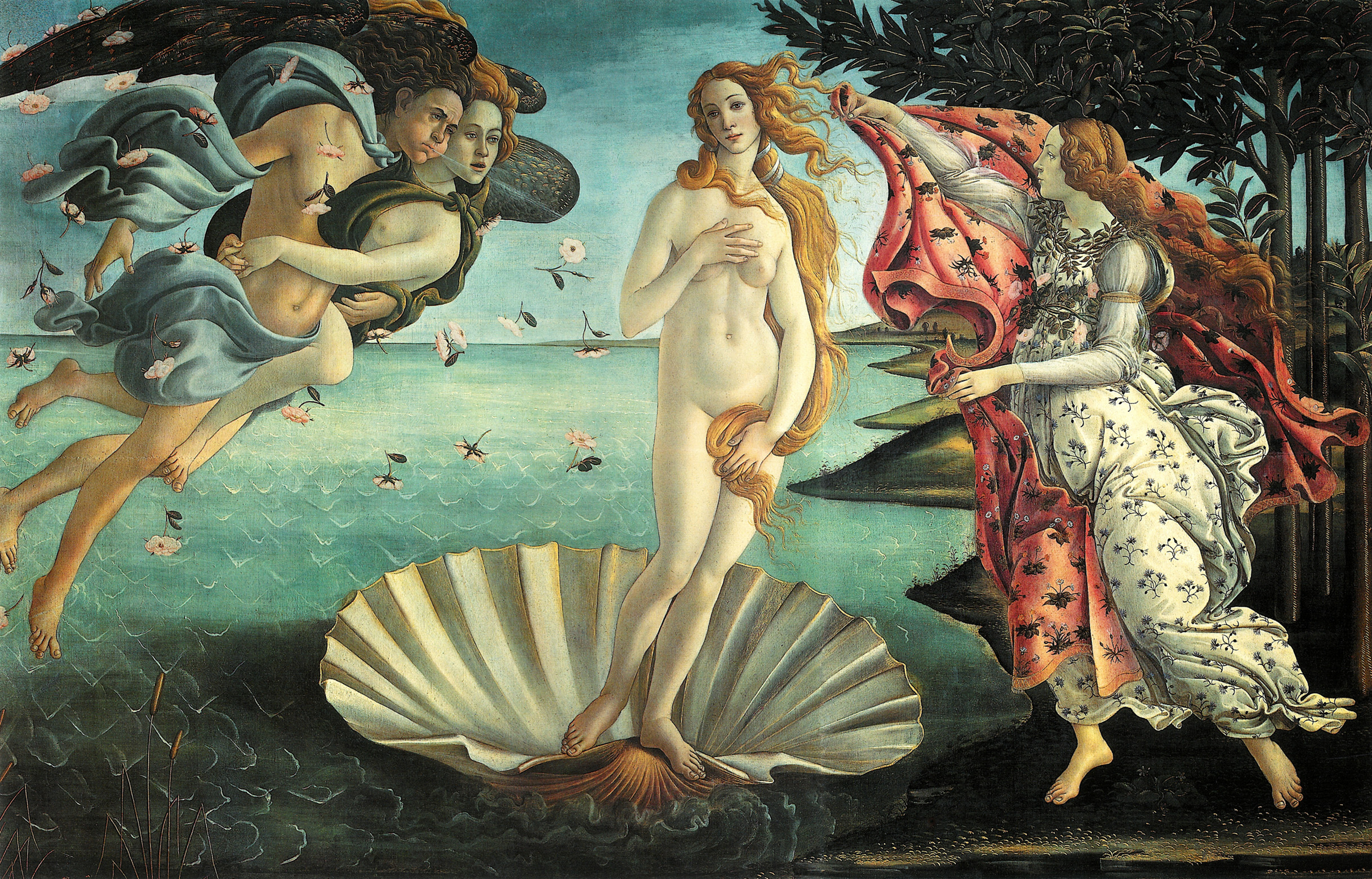
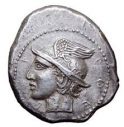
Aletheia – Greek goddess of truth, truthfulness and sincerity
Martin Heidegger discussed the etymology of the Greek word for truth – alétheia, which means un-concealing. Truth uncovers and reveals that which is hidden. How does Truth remain hidden? What conceals it? I believe that Truth is something that lies beyond conditioning, thoughts, concepts (“the graveyard of perceptions,” as Nietzsche called them), ideas or even symbols. I would equal the Truth with the One, i.e. what Plotinus saw as the ineffable foundation of everything. Perhaps Truth can also be likened to Nothingness – “reality without objects and without forms yet nurturing the seeds of all things,“ as defined in Cirlot’s Dictionary of Symbols. Two thinkers, who are rarely paired together, appear to have answered this question in a similar way: Jiddu Krishnamurti and Friedrich Netzsche. Compare these:
1.“So, why do we create ideas about truth? … Either we see the truth nakedly, as it is, or we do not. But why do we have a picture about it, a symbol, a word, an image? … What would happen if the mind did not create the idea? It is its function to create ideas, to verbalize, to recall memories, to recognize, to calculate. We know that. But the mind is not free, and it is only when the mind is capable of looking at the truth fully, totally, completely, without any barrier, that there is a freedom. … if you can, if I may suggest it, observe your own mind in operation and watch how it thinks, how it reacts, when a truth is put before it, then you will experience step by step what I am talking about. Then there will be an extraordinary experience. And it is this direct approach, direct experience of what truth is, that is so essential in bringing about a creative life. “
Krishnamurti, “On Truth,” (Fifth Talk in London 1952) via http://www.jkrishnamurti.org/krishnamurti-teachings/view-text.php?tid=385&chid=4705
2.“We obtain the concept, as we do the form, by overlooking what is individual and actual; whereas nature is acquainted with no forms and no concepts, and likewise with no species, but only with an X which remains inaccessible and undefinable for us.
…
What, then, is truth? A mobile army of metaphors, metonyms, and anthropomorphisms—in short, a sum of human relations which have been enhanced, transposed, and embellished poetically and rhetorically, and which after long use seem firm, canonical, and obligatory to a people: truths are illusions about which one has forgotten that this is what they are; metaphors which are worn out and without sensuous power; coins which have lost their pictures and now matter only as metal, no longer as coins.
…
Everything which distinguishes man from the animals depends upon this ability to volatilize perceptual metaphors in a schema, and thus to dissolve an image into a concept.
…
Only by forgetting this primitive world of metaphor can one live with any repose, security, and consistency: only by means of the petrification and coagulation of a mass of images which originally streamed from the primal faculty of human imagination like a fiery liquid, only in the invincible faith that this sun, this window, this table is a truth in itself, in short, only by forgetting that he himself is an artistically creating subject, does man live with any repose, security, and consistency. If but for an instant he could escape from the prison walls of this faith, his ‘self-consciousness’ would be immediately destroyed.”
Friedrich Nietzsche, On Truth and Lie in an Extra-moral Sense” via http://oregonstate.edu/instruct/phl201/modules/Philosophers/Nietzsche/Truth_and_Lie_in_an_Extra-Moral_Sense.htm
Both thinkers seem to point out to entities (“truths,” ideas, concepts) covering up or burying Truth, which springs from the source that lies deeper than any human ways of expressing it. The creative power of Truth will out, though, through the hard crust of crystallized, conditioned and outworn thought patterns and towards a more authentic existence.

the allegory of Truth in Cesare Ripa’s Iconologia (1593)
This post was inspired by L. Caruana and a chapter “The Symbol That Conceals” in his book Enter through the Image.